
Familiar bluet
Enallagma civile · Narrow-winged damselflies
A small, widespread North American blue-and-black damselfly commonly found around ponds and slow waters; harmless to people.
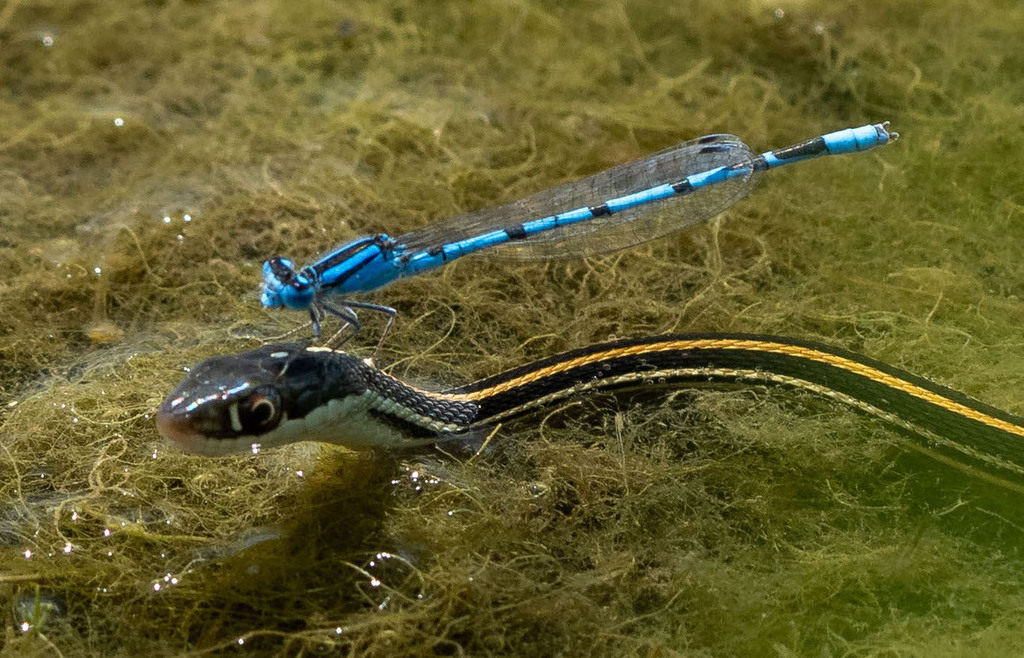
!Is the familiar bluet dangerous?
No. Familiar bluets do not sting and are not poisonous. They may land on a person but will not bite in any meaningful way. No special first aid is needed; if handled gently they may fly away unharmed.
Pets
Not a threat to pets. Pets might catch and eat them, but there is no toxicity risk; small birds or fish may eat them.
📖Overview
The familiar bluet is a small pond-dwelling damselfly common across much of North America. Adults spend most of their time near still or slow water where they mate and patrol for small flying insects. Males are typically bright blue with black markings; females occur in blue or tan color forms. Larvae live underwater and are predatory until they emerge as adults in spring and summer.
🔍How to identify a familiar bluet
Adults are slim, delicate damselflies with two pairs of narrow, equal-sized wings held together over the back when at rest. Males are bright sky-blue with black stripes on the thorax, a mostly blue abdomen with black markings on the middle segments, and segments 8-9 near the tip almost entirely blue. Females may be similar in blue, or more commonly tan to brownish with darker markings. Eyes are widely separated on the head (typical of damselflies). Overall length of the adult body is small compared with many dragonflies.
- Small damselfly with slim body and wings held together above the body when at rest
- Male: bright sky-blue with black stripes on the thorax, black markings on the middle abdominal segments and an almost all-blue abdomen tip
- Female: variable — blue form resembles males; common tan form is brownish with darker markings
- Found perched on emergent vegetation at ponds, lakes and slow streams; size about 29-39 mm
Lookalikes
Northern bluet Enallagma annexum
Very similar in appearance; examine postocular spot shape and abdominal segment markings to separate species, and consider range and season. Identification can be difficult without close inspection.
Variable bluet Enallagma carunculatum
Also similar; variable bluet often shows different patterning on abdominal segments 2-3 and on the thorax. Careful comparison of the black/blue patterning is needed.
Blue dasher (dragonfly) Pachydiplax longipennis
A dragonfly rather than a damselfly: larger, with broader body and wings held open at rest; blue dasher is bulkier and perches differently.
↻Life cycle
Egg
Laid on submerged vegetation or directly into water by the female; eggs hatch after days to weeks depending on temperature.
Nymph (larva)
Aquatic and predatory; nymphs live on pond bottoms and among plants for several months up to about a year, moulting multiple times as they grow.
Adult (imago)
Terrestrial and aerial stage that emerges from the water, mates, and lays eggs. Adults typically live a few weeks to a couple of months.
🍃Diet and predators
Young eat
Aquatic invertebrates such as mosquito larvae, small crustaceans and other tiny aquatic animals
Adults eat
Small flying insects like mosquitoes, midges and flies
Predators of the young
Fish, aquatic insects, amphibians and predatory aquatic invertebrates
Predators of adults
Birds, larger dragonflies, spiders and other insectivorous predators
🌱Effect on plants and gardens
Does not feed on plants; adults feed on small flying insects and larvae are aquatic predators of tiny invertebrates, so they are beneficial for controlling nuisance insects.
📍Where and when to find it
Adults on emergent vegetation and low perches beside ponds, lakes and slow streams; nymphs in submerged vegetation and detritus.
Best time
Late spring through summer, during warm daylight hours (mid-morning to late afternoon).
Observation tips
Use a camera with a zoom or a close-focusing lens to photograph small details; approach slowly and wait for perching behaviour. A field guide showing thoracic and abdominal patterns helps confirm identification.
✨Fun facts
- Familiar bluets are among the most commonly seen damselflies at backyard ponds and are often one of the first Odonata noticed by casual observers.
- Females come in different color forms; some look very similar to males while others are brownish, which can make field identification interesting.
- Like all damselflies and dragonflies, familiar bluets are skilled predators, eating many small flying insects such as midges and mosquitoes.
?Frequently asked questions
Are familiar bluets dangerous?
No. They do not sting or carry diseases harmful to people. They are harmless and beneficial predators of small nuisance insects.
Do familiar bluets bite?
They do not bite people in normal circumstances. If handled roughly a damselfly might nip, but it is harmless and extremely rare.
Why is this damselfly in my garden/near my house?
They are attracted to nearby water: ponds, birdbaths, garden ponds or slow drainage areas. Gardens with water and sunny perches are ideal hunting and breeding sites.
How can I get rid of them?
They are beneficial insects; removal is not recommended. If you must discourage them, reduce standing water or shade ponds, but this also reduces habitat for other wildlife.
When and where can I see familiar bluets?
Look at ponds, lakes and marsh edges on warm sunny days from spring through late summer. They perch on emergent vegetation and fly in short patrols over the water.
📷Photos of the familiar bluet
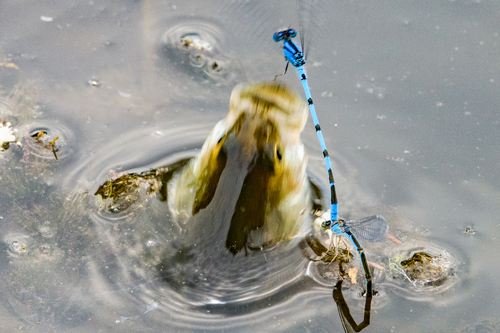
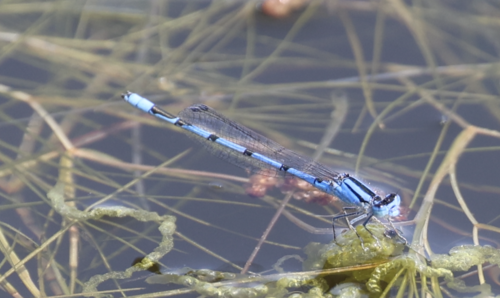
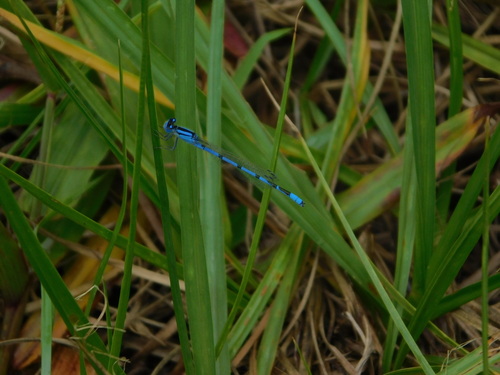
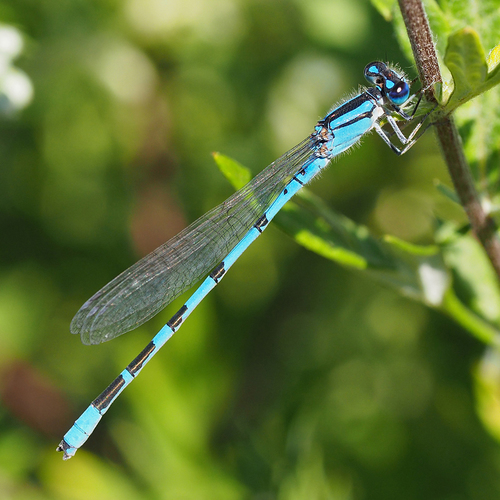
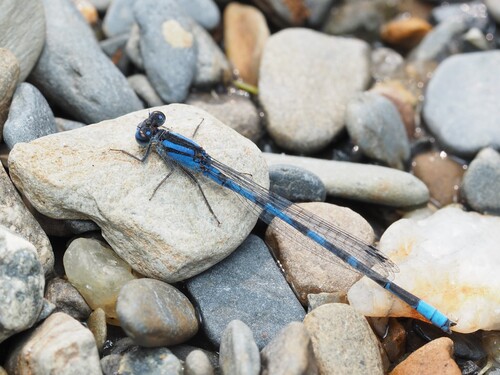
More dragonflies & damselflies
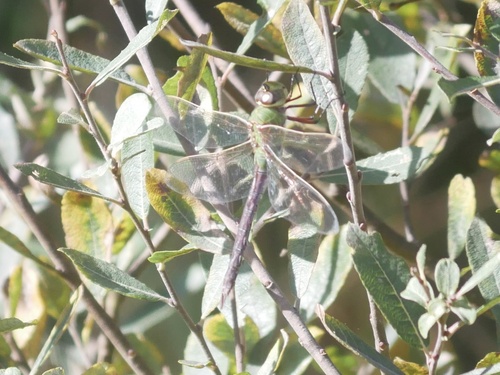
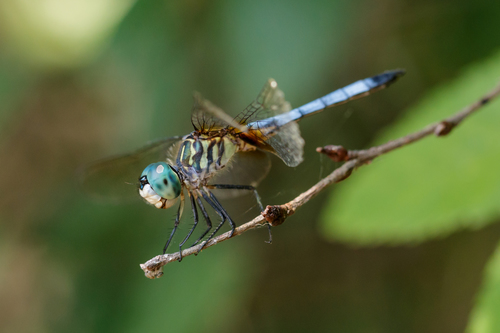
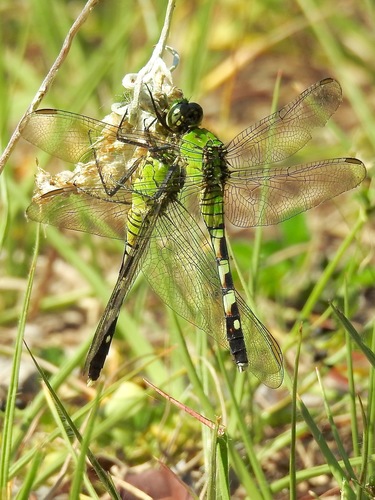
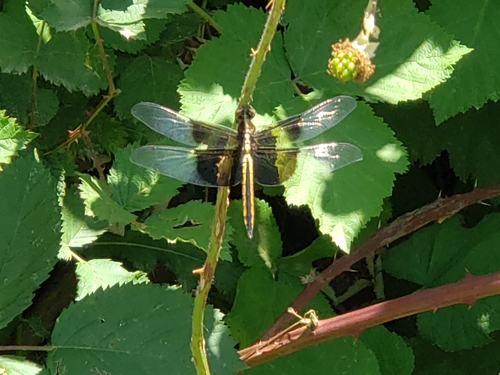
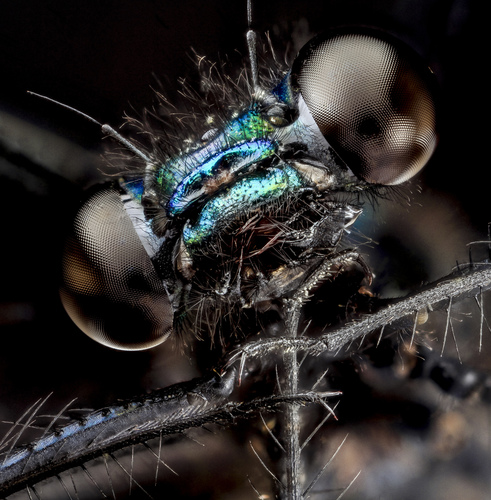
This guide was written with AI assistance and fact-checked, last updated 2026-10-10. Identification from photos is never certain: don't handle insects you can't identify, and get medical advice for bites, stings or allergic reactions. More about the familiar bluet: iNaturalist, Wikipedia.