
Brown centipede
Lithobius forficatus · Stone centipedes
A small, fast nocturnal predator found in leaf litter and damp places; can bite if handled but is not dangerous to humans.
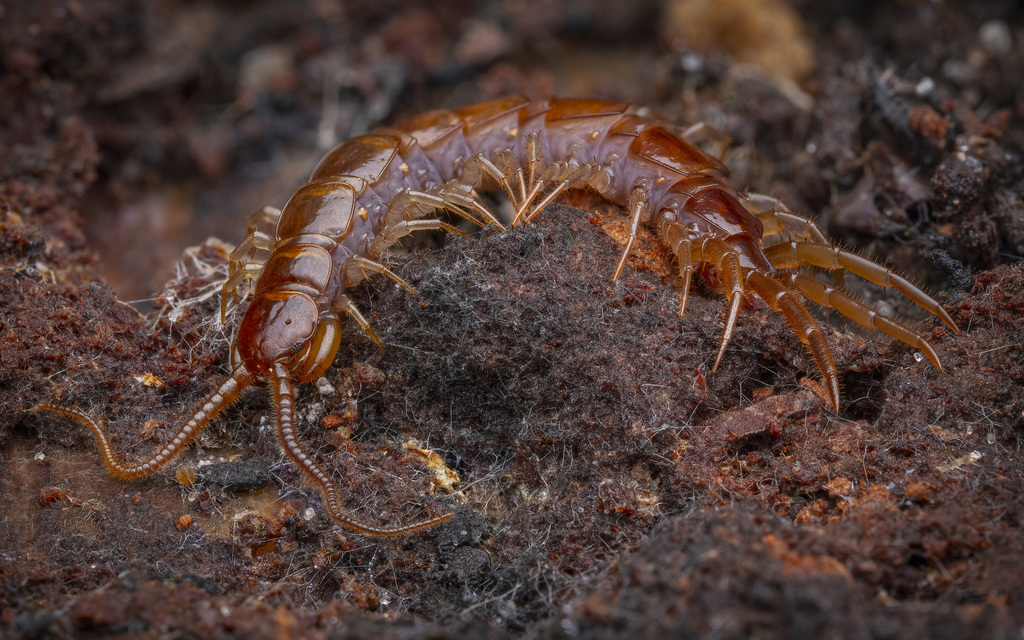
!Is the brown centipede dangerous?
Only mildly. Lithobius forficatus can bite if handled or pressed against skin. Bites are uncommon and usually cause a sharp pinch, brief pain and minor swelling or redness. Clean the bite with soap and water, apply a cold compress for pain and swelling, and seek medical advice if symptoms worsen or last more than a few days. Signs of a severe allergic reaction (swelling of the face or throat, difficulty breathing) are very rare but need emergency care: call emergency services.
Pets
Unlikely to seriously harm cats or dogs. Pets may briefly be bitten if they try to eat or play with one; this can cause local pain or minor mouth irritation. Monitor pets for continued pain or unusual behaviour and consult a vet if concerned.
📖Overview
Lithobius forficatus is a widespread, medium-sized centipede common across much of Europe and introduced in other regions. It is a nocturnal predator that hunts small arthropods in soil, under stones, logs and leaf litter, and sometimes wanders into damp basements and garden sheds. Adults are relatively short-bodied compared with tropical centipedes and are tolerant of temperate climates.
They are solitary and secretive, active mainly at night. When threatened they run quickly or tuck their legs under the body; they will use the forcipules (the pincer-like front appendages) to grasp and inject venom into small prey. Bites on humans are uncommon and usually cause only brief local pain and minor swelling.
🔍How to identify a brown centipede
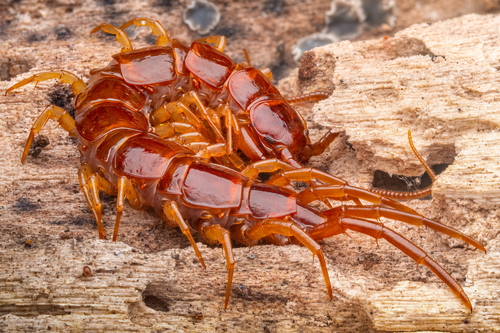
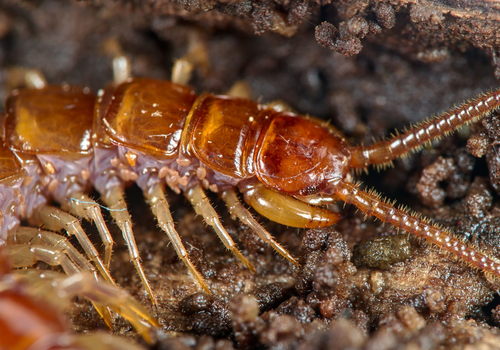
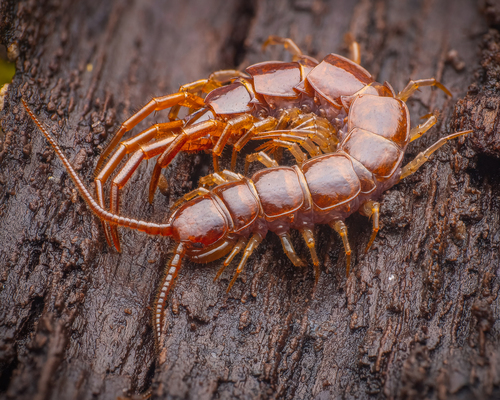
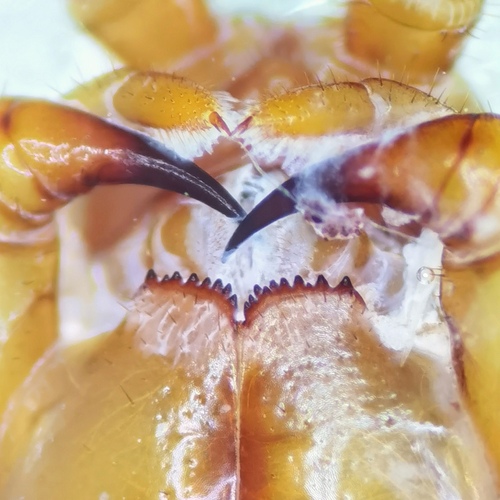
Adults are compact and dorsoventrally flattened with 15 pairs of walking legs (one pair per body segment behind the head). Colour is uniformly brown to reddish-brown with a slightly darker head and paler underside. Body length for adults is typically 15-30 mm. The head bears a pair of long antennae; the first pair of legs are modified into venom-delivering forcipules that look like small pincer-like mouths.
- Short, flattened body 15-30 mm long with 15 pairs of legs in adults (30 legs total).
- Uniform brown to reddish-brown colour with a darker head and paler underside.
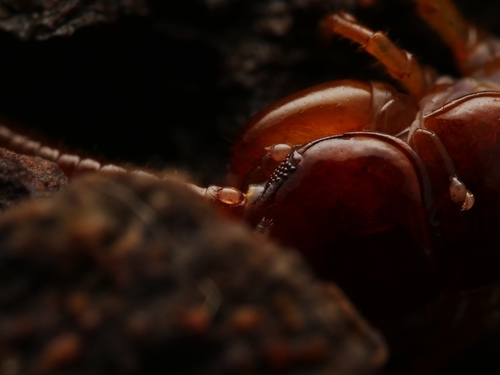
- Distinct pincer-like forcipules (front appendages) visible under the head used to grasp prey.
- Fast, jerky movement; adults are much smaller and less elongate than tropical Scolopendra species.
Lookalikes
Variegated centipede Lithobius variegatus
L. variegatus has a mottled, variegated body and distinctly banded legs; L. forficatus is more uniformly chestnut-brown with unbanded legs.
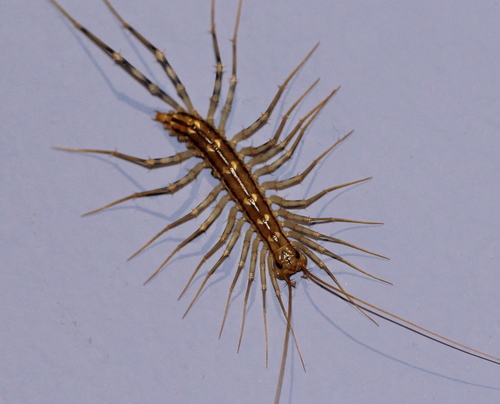
House centipede Scutigera coleoptrata
House centipedes have extremely long, banded legs (also 15 pairs in adults), a striped pattern and very long antennae; L. forficatus is shorter, stouter and has short legs.
↻Life cycle
Egg
Females lay eggs singly, coating each one in soil with special appendages to camouflage it before leaving it in moist soil or leaf litter; there is no parental care.
Juvenile (nymph)
Hatchlings resemble small adults but have only 7 pairs of legs; they add segments and legs through successive molts until they reach the adult number of 15 pairs.
Adult
Sexually mature centipedes with the full complement of legs. Adults continue to molt periodically and can live several years.
🍃Diet and predators
Young eat
Small soil arthropods such as springtails, mites and tiny insect larvae
Adults eat
Small invertebrates including insects, spiders, woodlice and other small arthropods
Predators of the young
Ground beetles, spiders, small amphibians and other predatory arthropods
Predators of adults
Birds, small mammals, toads, shrews and larger predatory arthropods
🌱Effect on plants and gardens
Not a plant pest; feeds on small arthropods and therefore helps control pests like springtails, woodlice, small insects and larvae
📍Where and when to find it
Look under stones, logs, bark, leaf litter, garden compost and in damp basements or cellars. At night they may be found hunting on soil and walls.
Best time
Spring through autumn, at night or after rain.
Observation tips
Use a torch at night to find active individuals. Check deep under damp objects; handle with care or use a jar and a piece of cardboard to collect for photographing.
✨Fun facts
- The 'pincers' used to deliver venom are not true jaws but modified front legs called forcipules.
- Despite the common name 'centipede' implying 100 legs, Lithobius forficatus adults have 30 legs (15 pairs).
- Young stone centipedes hatch with only 7 pairs of legs and add more segments and legs each time they molt.
?Frequently asked questions
Do brown centipedes bite?
Yes they can bite if handled or trapped against skin. Bites are uncommon and usually cause brief pain and minor swelling.
Are brown centipedes poisonous to humans?
They have venom used to subdue small prey, but it is not dangerous to most humans. Effects are typically a short sharp pain and minor localized swelling.
Why do I find them in my house?
They enter houses seeking moisture and prey (small insects). Basements, bathrooms, cellars and damp garages are common entry points.
How can I get rid of brown centipedes?
Reduce moisture, seal cracks and gaps, remove leaf litter or wood near the foundation, and reduce insect prey. Occasional centipedes can be caught and released outdoors; chemical control is usually unnecessary.
Do brown centipedes spread disease?
No. They are predators and are not known to transmit human diseases.
📷Photos of the brown centipede
More centipedes & millipedes
Mild bite
Irritating secretion
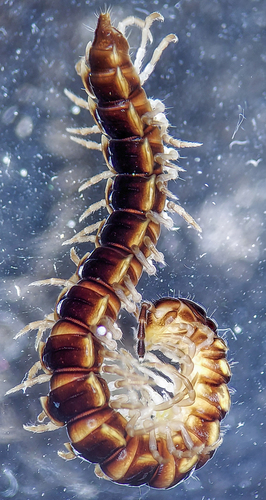
Non-toxic
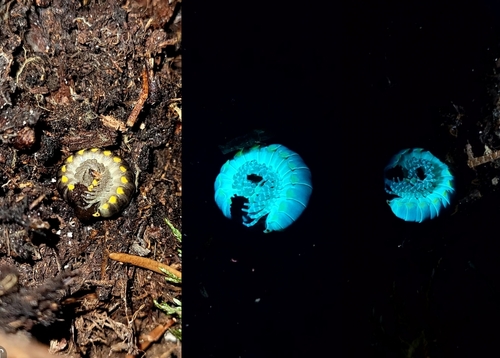
Produces cyanide
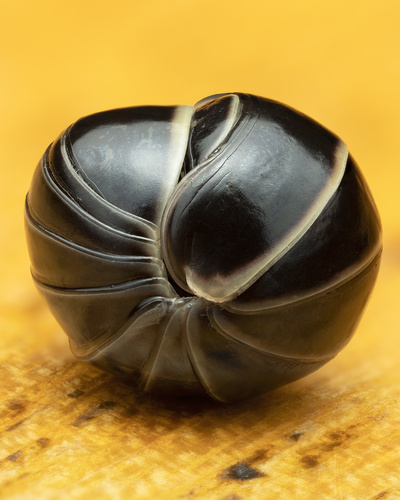
Non-toxic
Venomous bite
This guide was written with AI assistance and fact-checked, last updated 2026-10-10. Identification from photos is never certain: don't handle insects you can't identify, and get medical advice for bites, stings or allergic reactions. More about the brown centipede: iNaturalist, Wikipedia.