
Bogong moth
Agrotis infusa · Owlet moths
A medium-sized nocturnal Australian moth famous for its long spring migration to alpine caves, with larvae that are cutworm agricultural pests.
!Is the bogong moth dangerous?
No. Bogong moths do not bite or sting and are not poisonous. Large numbers can soil surfaces and leave scales that may irritate sensitive skin or trigger mild respiratory or allergic reactions in some people; good hygiene and cleaning usually resolve issues.
Pets
Generally harmless to pets. Ingestion of large numbers by a small pet could cause mild stomach upset; the moths are not known to carry diseases dangerous to pets.
📖Overview
The bogong moth (Agrotis infusa) is a nocturnal moth native to Australia, known for multi-hundred-kilometre spring migrations from lowland breeding areas to cool alpine caves and rock crevices where adults aestivate in large numbers over summer. Larvae (cutworms) feed on grasses and crops and can be agricultural pests. The species has cultural importance to several Australian Indigenous peoples and is an important seasonal food resource for some native mammals.
🔍How to identify a bogong moth
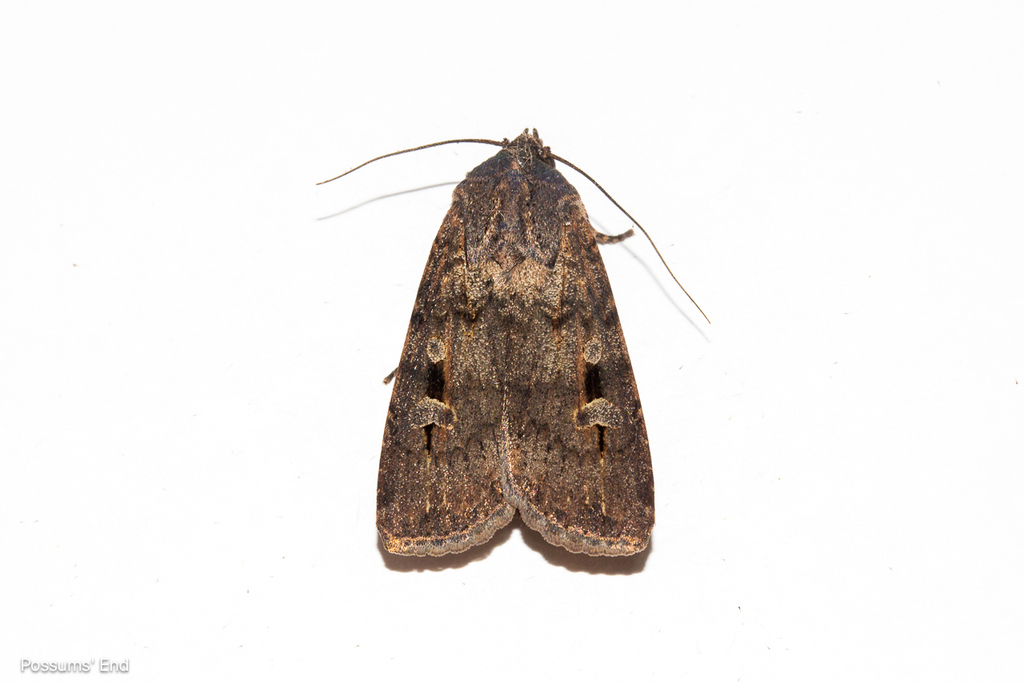
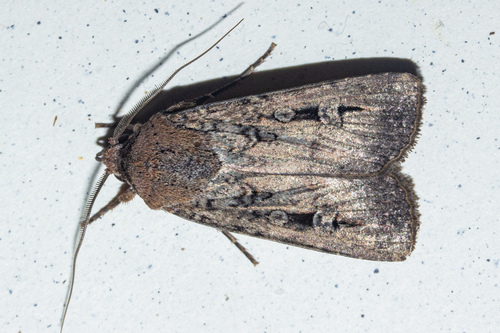
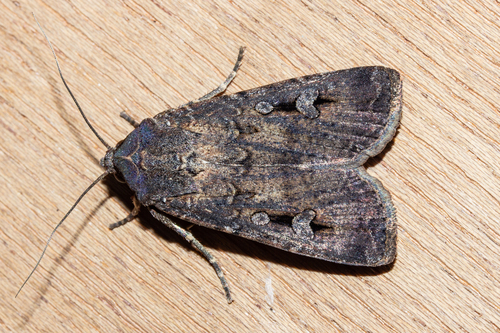
Adults are a mottled grey-brown moth with a stout body and relatively narrow forewings patterned with darker markings and subtle pale streaks. The wings are well-camouflaged when at rest on bark or stones. When at rest the forewings overlap the hindwings, concealing brighter markings if present. Females are similar to males but can be slightly larger when gravid.
- Mottled grey-brown forewings with darker markings and pale streaks; overall cryptic appearance
- Wingspan typically 35-50 mm — larger and more uniform than many small noctuid moths
- Large seasonal swarms and mass aggregations in alpine caves in spring and summer is a behavioural clue
- Larvae are typical smooth-bodied cutworms, brownish or grey and feed at ground level
Lookalikes
Other cutworm moths Agrotis spp.
Other Agrotis species are similar as adults and larvae; bogong moths are identified by size, regional migration behaviour and subtle wing pattern details best confirmed by experts or reference collections.
Millers and other noctuids Various Noctuidae
Many owlet moths are similar in colour; bogong moths are associated with large seasonal migrations in southeast Australia which helps separate them from non-migratory species.
↻Life cycle
Egg
Eggs are laid on low vegetation or soil and hatch in about 1-2 weeks depending on temperature.
Larva (cutworm)
The caterpillar is a generalist ground-feeding cutworm that eats grasses and crop seedlings; larval stage lasts several weeks to months with multiple instars.
Pupa
Pupation occurs in the soil; the pupal stage lasts about 2-3 weeks under favourable conditions.
Adult (moth)
Adults emerge, disperse and many undertake long-distance migration to alpine aestivation sites; adults are nocturnal and live for weeks to a few months.
🍃Diet and predators
Young eat
Grasses, seedlings and other low herbaceous plants; considered generalist feeders (cutworms)
Adults eat
Adults feed little; when they do, they may take sugary nectar or not feed during aestivation
Predators of the young
Ground beetles, parasitic wasps, birds and small mammals
Predators of adults
Bats, nocturnal birds and during alpine aestivation they are important food for the mountain pygmy possum and other insectivorous mammals and birds
🌱Effect on plants and gardens
Larvae (cutworms) feed on grasses and seedlings of cereals, vegetables and other crops; in high numbers they can damage seedlings and pasture. Adult moths do not feed on crops in a way that harms plants.
How to get rid of bogong moths
For larval cutworm control use integrated methods: crop rotation, tillage to expose and reduce overwintering larvae, remove plant debris, use seed treatments or targeted insecticides if economic thresholds are exceeded, and encourage natural predators (birds, predatory insects). For nuisance adult moths: reduce outdoor lighting, use fine mesh screens, and seal entry points to buildings.
📍Where and when to find it
Adults: around outdoor lights, vegetation, and in alpine caves and rock crevices during summer aestivation. Larvae: soil surface and among grasses or crop seedlings.
Best time
Spring migration (September-November) and autumn return; nocturnal for adults. Caves in summer hold large aggregations during the day.
Observation tips
To photograph adults, visit alpine caves or rock outcrops during migration season with permission; use low-impact lighting to avoid disturbing large aggregations and avoid touching dense clusters while they are aestivating.
✨Fun facts
- Bogong moths perform one of the most remarkable insect migrations in Australia, travelling hundreds of kilometres to alpine caves.
- They aestivate in huge numbers in cool caves and rock crevices, forming dense aggregations to conserve moisture and avoid heat.
- Their seasonal arrival in the alpine zone provides a critical food source for species such as the mountain pygmy possum and some Indigenous peoples historically harvested them as a food resource.
?Frequently asked questions
Do bogong moths bite or sting?
No. Bogong moths do not bite or sting. They are harmless to handle, though their scales can cause mild skin or respiratory irritation in sensitive people.
Why are bogong moths in my house?
Adults are strongly attracted to lights at night and may enter buildings through open doors or gaps. They may also rest indoors while migrating or when weather is cool.
How do I get rid of bogong moths in my home?
Turn off or shield outdoor lights at night, use fine-mesh screens on windows and doors, vacuum up moths and remove carcasses promptly, and seal gaps where they can enter. Insecticides are rarely necessary for adults.
Are bogong moths endangered?
Yes. Bogong moth numbers crashed dramatically during the severe drought of 2017-2019, and the species was listed as Endangered on the IUCN Red List in 2021. This also affects animals such as the mountain pygmy possum that depend on the moths.
Are bogong moth larvae harmful to crops?
Yes. The larvae (cutworms) feed on grasses and crop seedlings and can be an agricultural pest. Farmers use integrated pest management to reduce damage.
📷Photos of the bogong moth
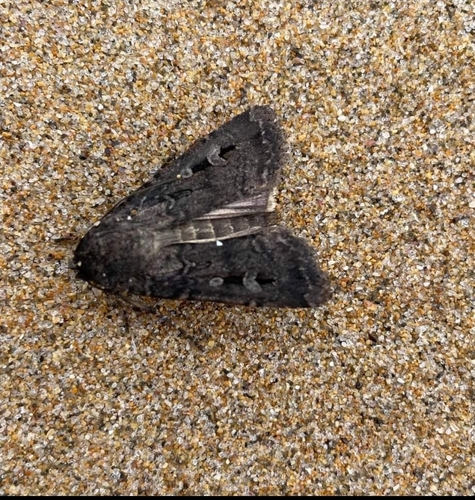
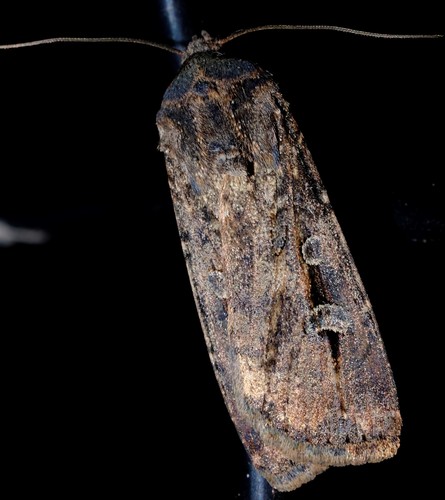
More butterflies & moths
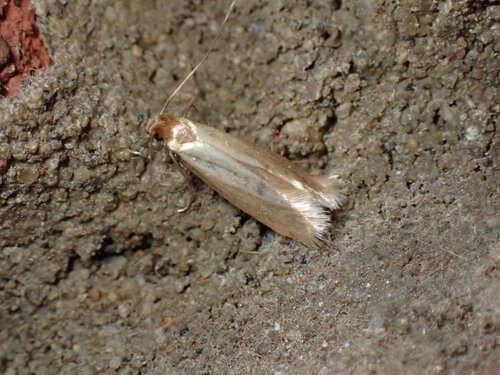
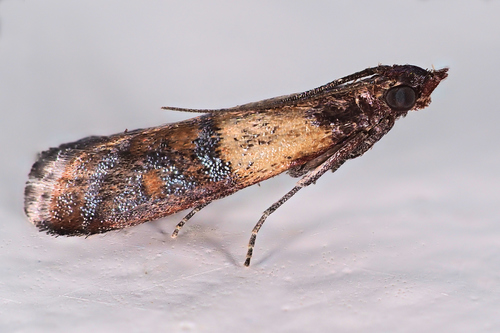
This guide was written with AI assistance and fact-checked, last updated 2026-10-10. Identification from photos is never certain: don't handle insects you can't identify, and get medical advice for bites, stings or allergic reactions. More about the bogong moth: iNaturalist, Wikipedia.