
Fall webworm vs Eastern tent caterpillar moth
These two are easy to mix up. Here's how to tell a fall webworm from an eastern tent caterpillar moth, and whether either one bites or stings.
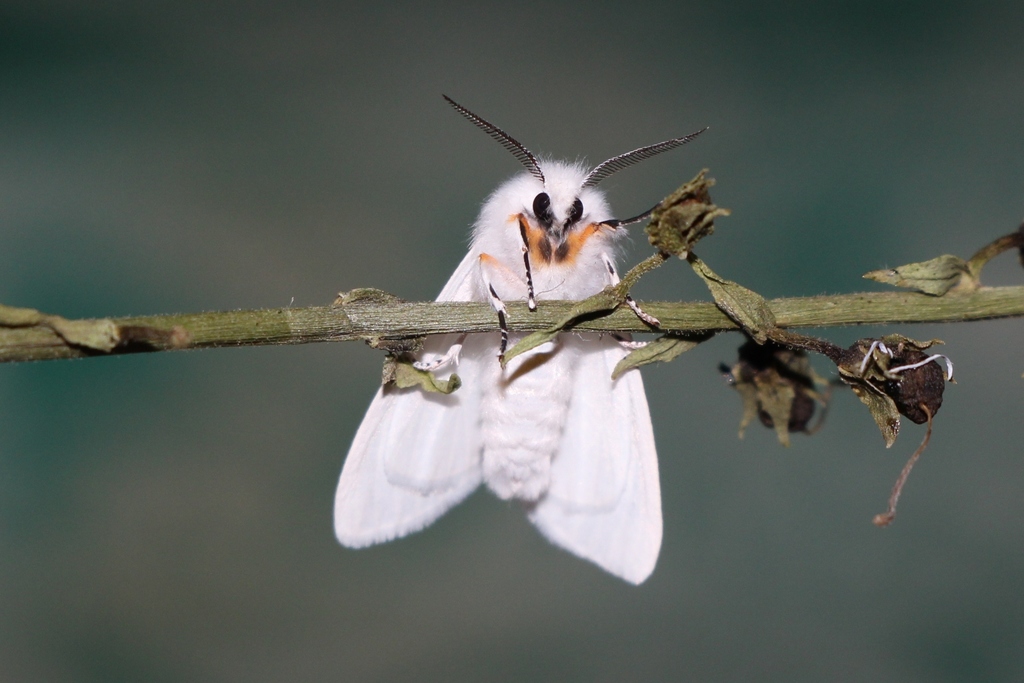
Fall webworm
Hyphantria cunea
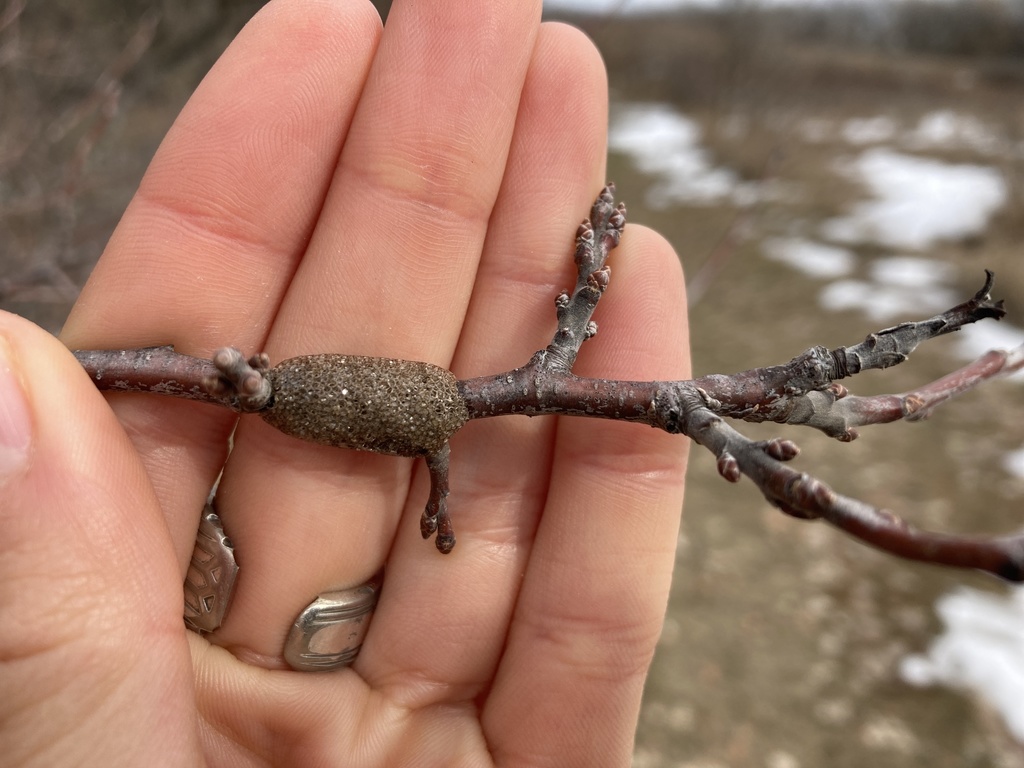
Eastern tent caterpillar moth
Malacosoma americana
≠The key differences
Fall webworm builds large loose webs that enclose foliage at branch ends in summer/fall, and larvae are generally paler and fuzzier with differently arranged spots.
⚖︎Side by side
| Fall webworm | Eastern tent caterpillar moth | |
|---|---|---|
| To humans | Irritating hairs | Irritating hairs |
| Size | Wingspan 25-35 mm | 2.5-4 cm wingspan |
| Colours | White, Pale yellow, Brown, Black | Black, Cream/white, Blue (bluish spots), Chestnut orange |
| Family | Erebidae | Lasiocampidae |
| Habitat | Edges of woods, parks, urban and suburban trees, orchards, hedgerows | Deciduous woodlands, orchards, shade and ornamental trees, hedgerows and suburban yards where host trees occur. |
| Range | Native to North America (southern Canada to Mexico); introduced and established in central and southern Europe and in East Asia (Japan, Korea and China) | Eastern and central North America, from the Gulf states north into southern Canada and west to parts of the Midwest. |
| Active | One to several generations per year depending on region; caterpillars commonly in late summer and fall; adults nocturnal | Larvae: early spring (shortly after trees leaf out). Adults: late spring to early summer. Larvae are active during daylight and at night when feeding. |
| Pest? | Yes | Yes |
🔍How to spot a fall webworm
- Look for white silk webs (tents) enclosing foliage at branch tips in late summer and fall.
- Caterpillars are densely hairy with variable coloration and a noticeable line of dorsal spots; they feed together inside the web.
- Adults are plain white moths with a wingspan about 25-35 mm; some populations show small dark wing spots.
🔍How to spot an eastern tent caterpillar moth
- Look for white silk tents in the forks of deciduous trees in spring where caterpillars cluster.
- Caterpillars are black with a distinct broad white/cream dorsal stripe, bluish lateral spots and chestnut-orange markings.
- Egg masses are glossy, brownish bands wrapped around small twigs from the previous year.
- Adult moths are stout, furry, reddish-brown with two pale diagonal lines across each forewing; wingspan about 2.5-4 cm.
?Frequently asked questions
What is the difference between a fall webworm and an eastern tent caterpillar moth?
Fall webworm builds large loose webs that enclose foliage at branch ends in summer/fall, and larvae are generally paler and fuzzier with differently arranged spots.
Is a fall webworm or an eastern tent caterpillar moth more dangerous?
Fall webworm: Irritating hairs. Eastern tent caterpillar moth: Irritating hairs. Caterpillar hairs can cause mild skin irritation or an itchy rash (contact dermatitis) in sensitive people if handled. Eastern tent caterpillars are not venomous and do not bite or sting, but their hairs can cause mild skin irritation or a rash in sensitive people after handling.
Identification from photos is never certain: don't handle insects you can't identify, and get medical advice for bites, stings or allergic reactions.