
Cat flea vs Dog flea
These two are easy to mix up. Here's how to tell a cat flea from a dog flea, and whether either one bites or stings.
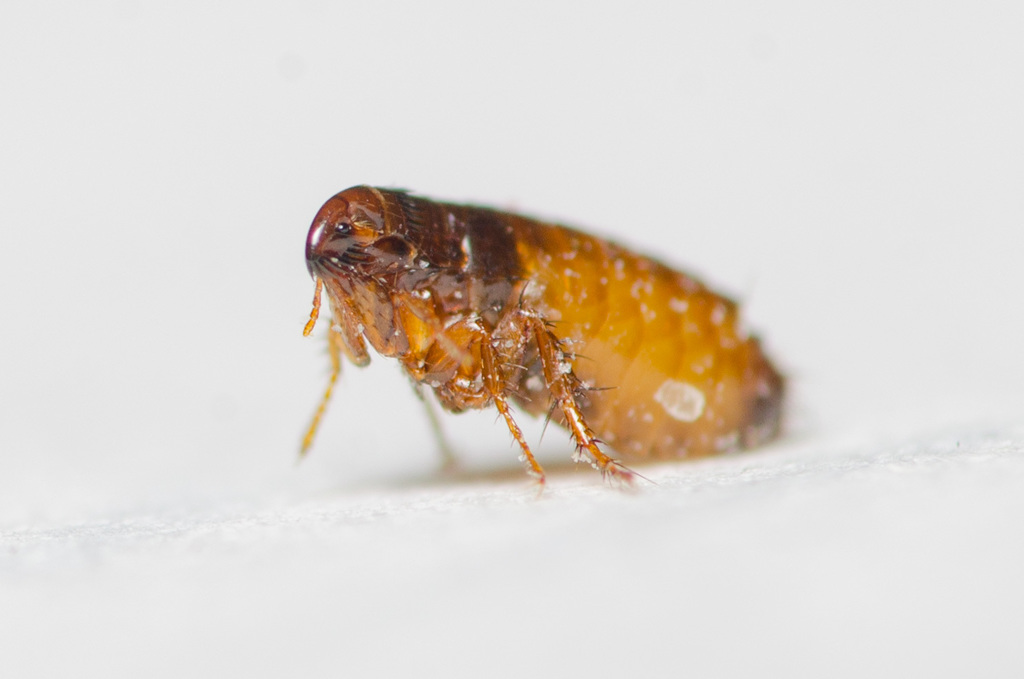
Cat flea
Ctenocephalides felis
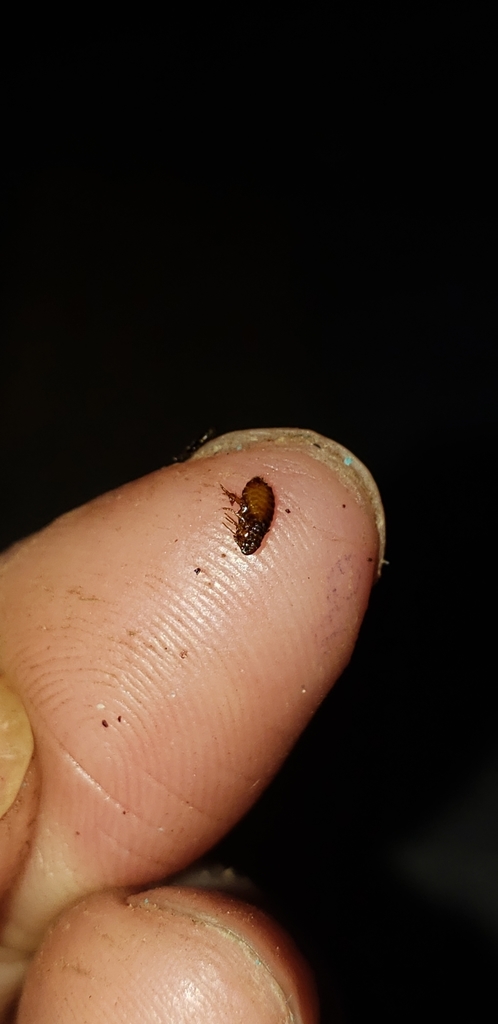
Dog flea
Ctenocephalides canis
≠The key differences
Very similar in appearance; C. canis prefers dogs while C. felis is more common on both cats and dogs. Specialists use microscopic differences in male genitalia and comb spine counts for reliable separation.
C. felis is the most common flea on dogs and cats worldwide; to the naked eye they look the same—species separation requires microscopic anatomical characters and expert identification
⚖︎Side by side
| Cat flea | Dog flea | |
|---|---|---|
| To humans | Bites, disease vector | Bites and allergies |
| Size | 1.5-3.3 mm long | 1.5-4 mm long |
| Colours | Reddish brown, Dark brown, Black | Reddish-brown, Dark brown |
| Family | Pulicidae | Pulicidae |
| Habitat | On mammal hosts (cats, dogs, wild carnivores) and off-host in bedding, carpets, cracks, animal sleeping areas, bird nests and other sheltered, dusty microhabitats. | On mammal hosts (dogs, wild canids, sometimes cats, humans) and off-host in bedding, carpets, cracks, soil and animal resting areas |
| Range | Global — found wherever domestic cats and dogs occur, including temperate and tropical regions. | Worldwide in association with domestic dogs and wild canids, though prevalence relative to the cat flea varies by region |
| Active | Year-round in warm indoor environments; outdoors most active in warm months (spring to autumn); adults feed day and night when hosts are present. | Year-round in warm indoor environments; peak activity in warmer months outdoors |
| Pest? | Yes | Yes |
🔍How to spot a cat flea
- Very small (1.5-3.3 mm), laterally flattened, wingless and dark reddish-brown.
- Strong hind legs for jumping; will leap when disturbed.
- Genal and pronotal combs (rows of spines) present on head and thorax — characteristic of Ctenocephalides genus.
- Found on hosts (cats, dogs) or as dark moving specks in pet bedding and carpets; can be confirmed by microscopic examination.
🔍How to spot a dog flea
- Very small (1.5-4 mm), wingless, laterally flattened reddish-brown insect that jumps readily
- Look for rapid movement on the host, flea dirt (small black pepper-like fecal specks that turn red when moistened) and multiple insects on a heavily infested animal
- Microscopic examination of ctenidia (combs) and male genitalia is required to distinguish Ctenocephalides canis from Ctenocephalides felis and other flea species
?Frequently asked questions
What is the difference between a cat flea and a dog flea?
Very similar in appearance; C. canis prefers dogs while C. felis is more common on both cats and dogs. Specialists use microscopic differences in male genitalia and comb spine counts for reliable separation. C. felis is the most common flea on dogs and cats worldwide; to the naked eye they look the same—species separation requires microscopic anatomical characters and expert identification
Is a cat flea or a dog flea more dangerous?
Cat flea: Bites, disease vector. Dog flea: Bites and allergies. Cat flea bites cause itchy red spots; some people develop flea allergy dermatitis with severe itching. Dog fleas bite humans and cause itchy bites; sensitive people can develop allergic reactions.
Identification from photos is never certain: don't handle insects you can't identify, and get medical advice for bites, stings or allergic reactions.