
Dog flea
Ctenocephalides canis · Fleas
A small, wingless blood-feeding flea that commonly infests dogs and other mammals and can cause itching, allergic dermatitis and transmit tapeworms.
!Is the dog flea dangerous?
Only mildly. Dog fleas bite humans and cause itchy bites; sensitive people can develop allergic reactions. Fleas can incidentally transmit dog tapeworm (Dipylidium caninum) if an infected flea is swallowed. Basic first aid for bites: wash with soap and water, apply a cold pack to reduce itching; seek medical care if signs of severe allergic reaction or infection appear.
Pets
Fleas commonly cause itching, hair loss and flea-allergy dermatitis in dogs and cats. Heavy infestations can lead to anemia, especially in puppies or small animals. Fleas also transmit the tapeworm Dipylidium caninum to pets if they swallow infected fleas during grooming. See a veterinarian for diagnosis and recommended flea control and treatment.
📖Overview
Ctenocephalides canis is a species of flea that feeds on the blood of dogs and other mammals. Adults live on host animals where they feed and reproduce; many immature stages develop off the host in the host's bedding, carpets, soil or cracks. Heavy infestations cause intense itching and may lead to skin disease in sensitive animals. This species can act as an intermediate vector for the common tapeworm Dipylidium caninum when pets ingest infected fleas. In many regions the closely related cat flea (Ctenocephalides felis) is actually more common on dogs, but C. canis is a recognized canine-associated flea species.
🔍How to identify a dog flea
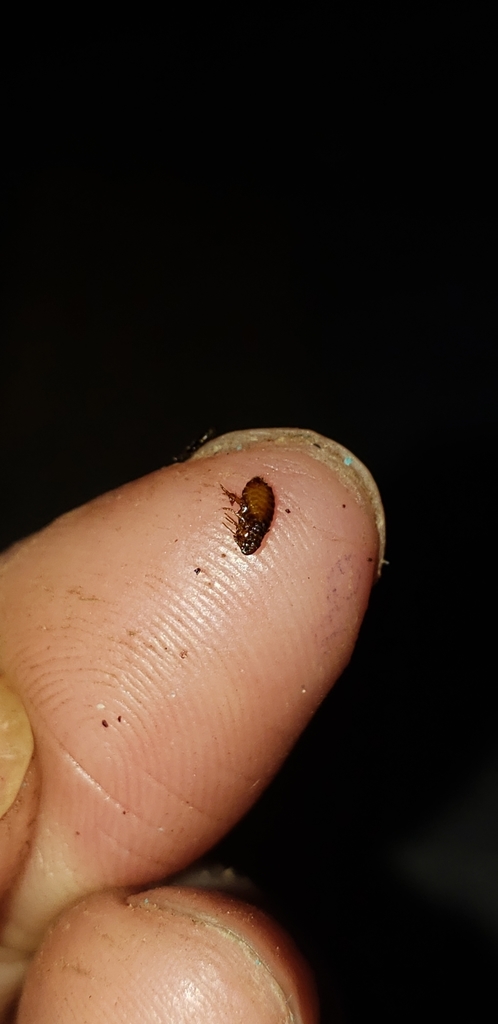
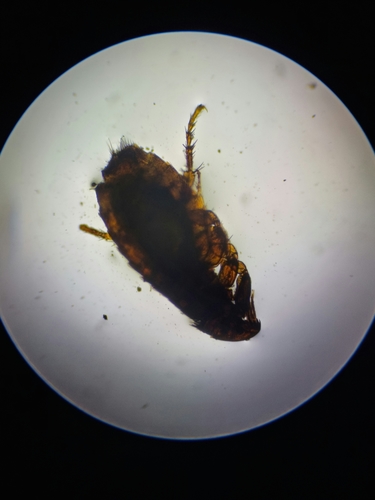
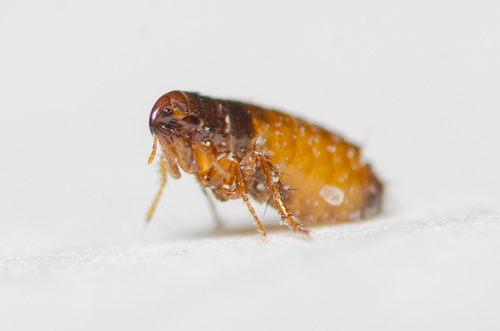
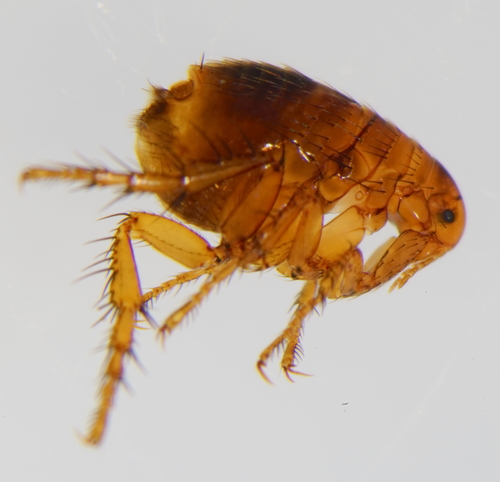
Adult dog fleas are small (about 1.5-4 mm long), laterally flattened, wingless insects with powerful hind legs adapted for jumping. They are reddish-brown, hard-bodied and covered with short spines (ctenidia) on the head and thorax. Identifying Ctenocephalides canis reliably to species usually requires microscopic examination of bristle and comb patterns and male genital structures; it looks very similar to other Ctenocephalides fleas to the naked eye.
- Very small (1.5-4 mm), wingless, laterally flattened reddish-brown insect that jumps readily
- Look for rapid movement on the host, flea dirt (small black pepper-like fecal specks that turn red when moistened) and multiple insects on a heavily infested animal
- Microscopic examination of ctenidia (combs) and male genitalia is required to distinguish Ctenocephalides canis from Ctenocephalides felis and other flea species
Lookalikes
Cat flea Ctenocephalides felis
C. felis is the most common flea on dogs and cats worldwide; to the naked eye they look the same—species separation requires microscopic anatomical characters and expert identification
Human flea Pulex irritans
Pulex irritans lacks the pronounced head and genal combs seen in Ctenocephalides species and has different body bristle patterns visible under a microscope
↻Life cycle
Egg
Tiny, white eggs laid on the host that fall into the environment (bedding, carpet, soil). Eggs hatch in days to weeks depending on conditions.
Larva
Wormlike, legless larvae live off organic debris and adult flea feces in the environment; they pass through several instars over about 1-3 weeks under suitable conditions.
Pupa
The larva spins a sticky cocoon and pupates; the pupa can remain dormant for weeks to months and emerges as an adult when stimulated by vibrations, heat or carbon dioxide.
Adult
Wingless, blood-feeding adults seek a host, mate and begin egg-laying within 24-48 hours of feeding.
🍃Diet and predators
Young eat
Larvae feed on organic debris in the environment, including dried blood and adult flea feces
Adults eat
Blood of mammals (primarily dogs and other canids; will bite other mammals including humans)
Predators of the young
Predatory mites, beetles and other soil arthropods
Predators of adults
Some grooming by hosts (removal during scratching), spiders and insectivorous birds may capture fleas off-host
🌱Effect on plants and gardens
No direct impact on plants or crops; species is a parasite of mammals.
How to get rid of dog fleas
Treat every dog and cat in the household with a veterinarian-recommended flea product and keep treatment going for at least three months to break the life cycle. Wash pet bedding in hot water weekly, vacuum carpets, furniture and floor cracks often and empty the vacuum outdoors. For heavy indoor infestations, use a household spray containing an insect growth regulator (such as methoprene or pyriproxyfen), following the label and keeping pets and people away until it dries, or call a pest control professional. Never use dog flea products on cats unless the label allows it, as some (permethrin) are toxic to cats.
📍Where and when to find it
On dogs and other mammals; look in pet fur, around the neck, base of the tail and on the belly. Off-host: check pet bedding, carpets, upholstered furniture and cracks in flooring.
Best time
Year-round indoors; outdoors more common in warmer months. Fleas are most easily seen when pets scratch or groom.
Observation tips
Use a fine-tooth flea comb over a white cloth to collect and see fleas or flea dirt; moisten suspected flea dirt to confirm it is blood residue (it will turn reddish).
✨Fun facts
- Fleas are wingless but can jump long distances relative to their size; many fleas can jump tens of centimeters.
- Flea pupae can remain dormant in a protected cocoon for months and emerge when they sense a passing host, which makes infestations persistent.
?Frequently asked questions
Do dog fleas bite humans?
Yes. Dog fleas will bite humans, causing itchy red bumps; they prefer animal hosts but will feed opportunistically on people.
Can dog fleas make my pet sick?
Yes. Heavy infestations can cause severe itching, flea-allergy dermatitis and anemia. Fleas can also transmit the tapeworm Dipylidium caninum if the pet swallows infected fleas.
Why do I find fleas in my house?
Flea eggs and immature stages fall off infested pets into bedding, carpets and cracks where they develop. Warm indoor environments let fleas complete their life cycle year-round.
How do I get rid of dog fleas?
Treat all pets with veterinarian-recommended topical or oral flea products, wash pet bedding in hot water, vacuum thoroughly and dispose of vacuum bag contents, and clean carpets and furniture. In severe or persistent cases use environmental control like insect growth regulators or consult a pest control professional.
Are flea collars enough to control fleas?
Some modern flea collars are effective as part of a combined program, but rely on veterinary advice—systemic or topical treatments plus environmental measures are often required for full control.
📷Photos of the dog flea
More lice & fleas
This guide was written with AI assistance and fact-checked, last updated 2026-10-10. Identification from photos is never certain: don't handle insects you can't identify, and get medical advice for bites, stings or allergic reactions. More about the dog flea: iNaturalist, Wikipedia.