
Body louse
Pediculus humanus humanus · Lice
A small, wingless blood-feeding louse that lives in clothing and on the body; an important vector of human disease in crowded, unhygienic conditions.
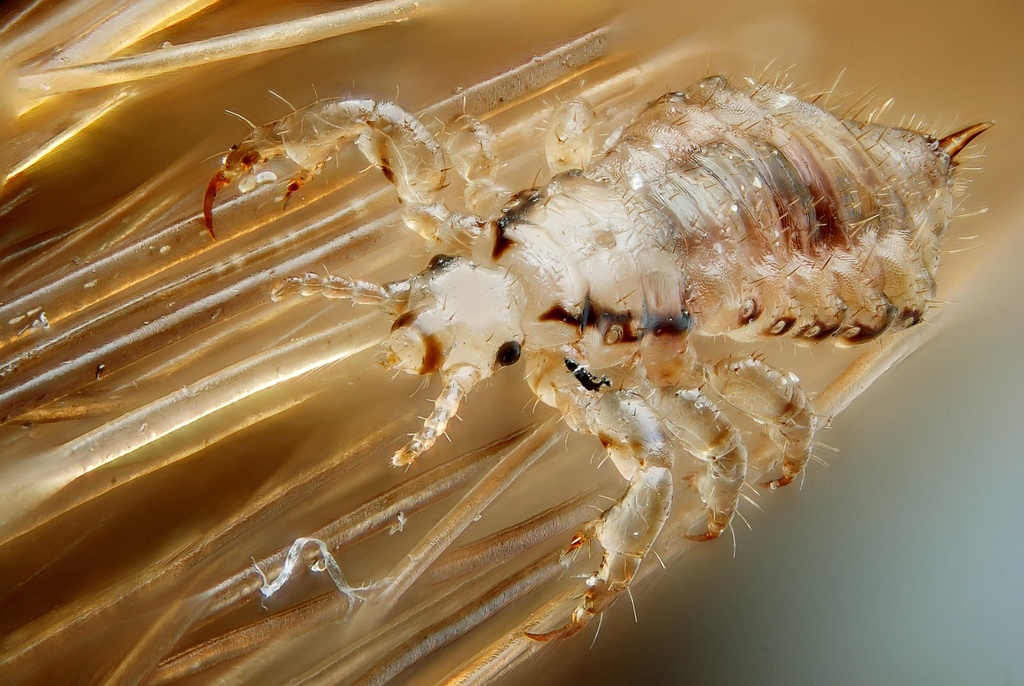
!Is the body louse dangerous?
Yes, it can be. Bites are itchy and can cause excoriation from scratching. Body lice are vectors of serious bacterial infections including epidemic typhus, trench fever, and louse-borne relapsing fever. If you suspect lice infestation, clean clothing and bedding and seek medical advice if you develop fever, rash, severe headache, or other systemic symptoms. For itching, wash the skin, use antiseptics on broken skin, and seek healthcare for secondary infection or if vector-borne disease is suspected.
Pets
Body lice are specific to humans and do not infest cats or dogs; pets are not a reservoir for Pediculus humanus humanus.
📖Overview
The body louse is an obligate human parasite that lives primarily in clothing and moves to the skin to feed on blood. It is closely related to the head louse (Pediculus humanus capitis) but is adapted to laying eggs on clothing fibers rather than on hair shafts. Body lice are most often associated with crowded conditions, poor access to laundry, and homelessness or refugee situations.
Adults and nymphs feed on human blood several times daily, causing itching and skin irritation. Beyond irritation, body lice are epidemiologically important because they can transmit bacterial infections such as epidemic typhus (Rickettsia prowazekii), trench fever (Bartonella quintana), and louse-borne relapsing fever (Borrelia recurrentis). Control centers on personal hygiene and laundering or heat treatment of clothing and bedding.
🔍How to identify a body louse
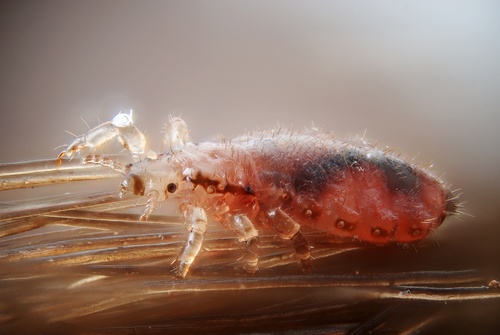
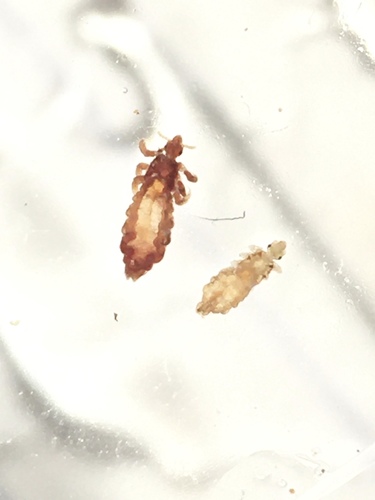
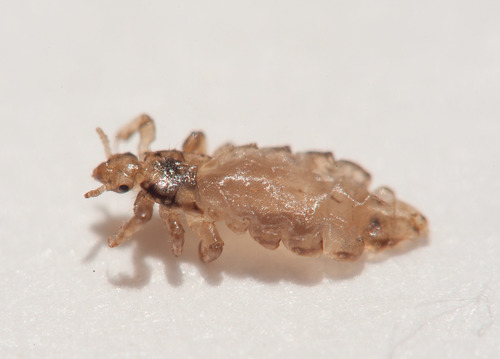
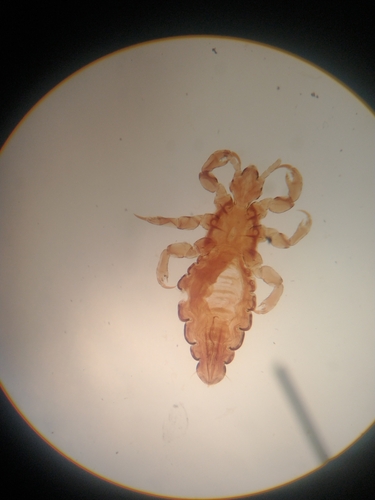
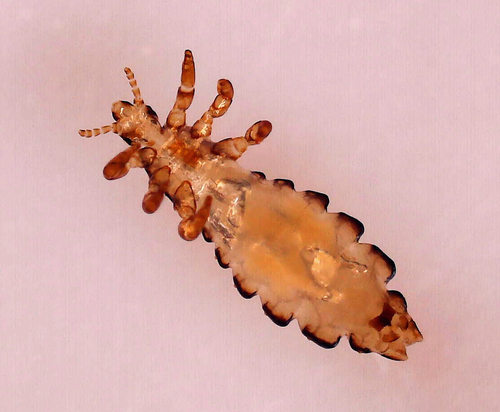
Adults are 2.3-3.6 mm long, wingless, flattened dorso-ventrally, with six legs ending in claws for grasping fibers. Colour ranges from pale grey to brown depending on recent blood meals. Females are slightly larger than males. Eggs (nits) are oval, about 0.8 mm long, and are cemented to cloth fibers and seams rather than to hair shafts. Nymphs resemble small, translucent adults and darken as they feed.
- Look for tiny pale-grey to brown 2.3-3.6 mm insects in clothing seams, especially collars, waistbands and undergarments.
- Find eggs (nits) cemented to fabric fibers rather than to hair shafts (which indicates head lice).
- Itching and scratch marks on the torso, buttocks and thighs are common where lice feed.
- Body lice move to the skin to feed and return to clothing; inspecting clothing rather than scalp hair is key.
Lookalikes
Head louse Pediculus humanus capitis
Lives and lays eggs on hair shafts of the scalp; eggs attached to hair and the insects are usually found on the scalp rather than clothing.
Pubic louse (crab louse) Pthirus pubis
Shorter, broader body and claws adapted to coarse hair; typically found in pubic hair and sometimes eyelashes, not in clothing seams.
↻Life cycle
Egg (nit)
Laid on cloth fibers or seams; oval, cemented in place; hatch in about 6-10 days depending on temperature.
Nymph
Three nymph instars that resemble adults; require multiple blood meals and molt over 1-2 weeks before reaching adulthood.
Adult
Mature, reproducing lice that feed on blood and lay eggs on clothing; adults live for several weeks while feeding regularly.
🍃Diet and predators
Young eat
Human blood
Adults eat
Human blood
Predators of the young
Few reliable natural predators in human clothing; environmental arthropods like some mites or ants may occasionally kill lice off-host but have little impact on infestations
Predators of adults
Similarly few natural predators; human hygiene and laundering are the main controls
🌱Effect on plants and gardens
Not relevant; body lice do not affect plants or crops.
How to get rid of body lice
The most effective control is laundering and heat: wash clothing, bedding and towels in hot water (at least 60 degrees C) and dry at high heat for 20-30 minutes, or seal items in plastic bags for 7-10 days if heat is unavailable. Regular changing and washing of clothing reduces infestations. Topical insecticidal treatments and medicated shampoos are used for head lice but are less relevant for body lice; treating people and hot-washing their clothing is the key. Seek public-health assistance in outbreaks; in institutional settings, treat affected people, launder textiles, and isolate infested bedding/clothing until cleaned.
📍Where and when to find it
Inspect seams, collars, waistbands, and undergarments for adults and nits; lice feed on the torso, buttocks and thighs and move into clothing between feeds.
Best time
Any month; observation is not seasonal but infestations increase where laundering is infrequent. Lice are most easily seen on clothing held up to light.
Observation tips
Spread clothing on a white sheet and inspect seams and folds with a magnifying glass. Nits glued to fabric are a reliable sign of infestation.
✨Fun facts
- Body lice diverged from head lice historically when humans started wearing clothing; they lay eggs on clothing fibers rather than hair.
- Body lice spread epidemic typhus, a disease that killed huge numbers of soldiers and civilians in past wars and famines.
- Infestations are closely linked to social conditions such as crowding and limited access to laundry rather than personal cleanliness alone.
?Frequently asked questions
Do body lice bite?
Yes, both nymphs and adults bite to feed on human blood. Bites cause itching and irritation.
Can body lice make you sick?
Yes. Body lice can transmit serious bacterial infections including epidemic typhus, trench fever, and louse-borne relapsing fever. See a doctor if you develop fever, rash, severe headache, or other systemic symptoms.
Why are body lice in my clothes?
Body lice live in clothing and only move to skin to feed. They are most likely present when clothing is worn repeatedly without hot laundering or when people live in crowded conditions.
How do I get rid of body lice?
Wash all clothing, bedding and towels in hot water (at least 60 degrees C) and dry on high heat for 20-30 minutes. Seal non-washable items in plastic for 7-10 days. Treat affected people as advised by health professionals and improve access to clean clothes and laundry.
Can pets spread body lice?
No. Pediculus humanus humanus is specific to humans and does not infest household pets.
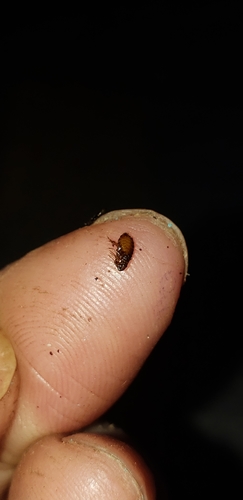
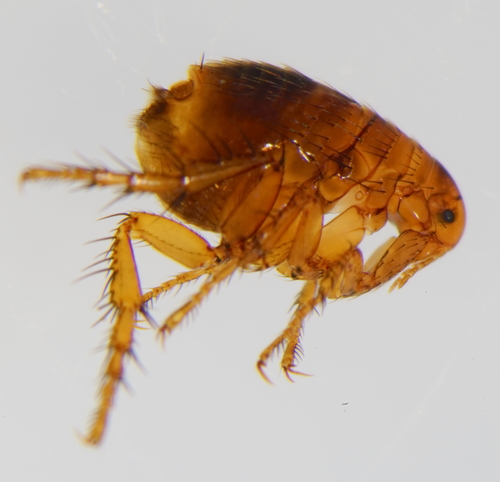
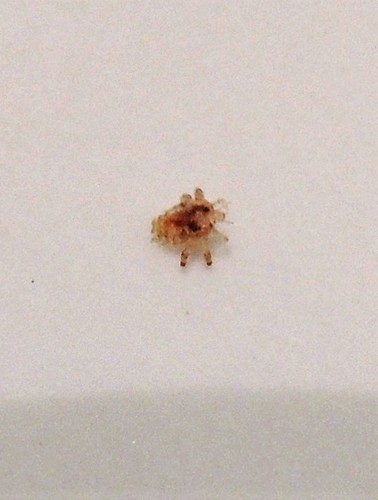
📷Photos of the body louse
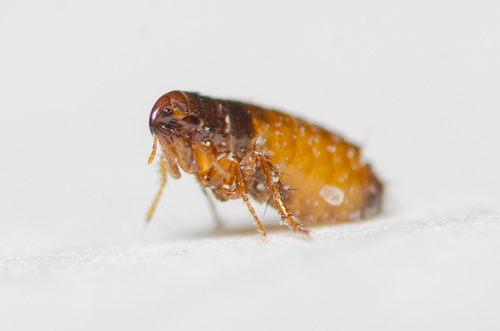
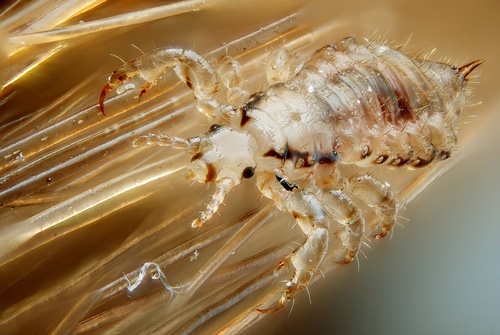
More lice & fleas
This guide was written with AI assistance and fact-checked, last updated 2026-10-10. Identification from photos is never certain: don't handle insects you can't identify, and get medical advice for bites, stings or allergic reactions. More about the body louse: iNaturalist, Wikipedia.