
Argentine ant vs Longhorn crazy ant
These two are easy to mix up. Here's how to tell an argentine ant from a longhorn crazy ant, and whether either one bites or stings.
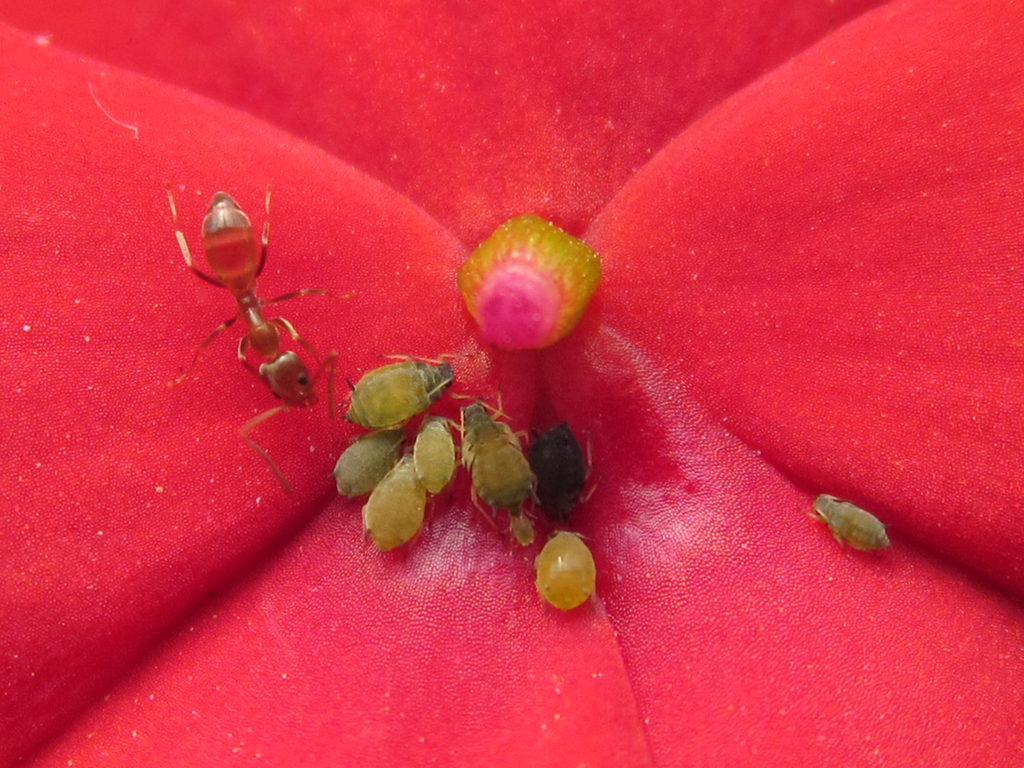
Argentine ant
Linepithema humile
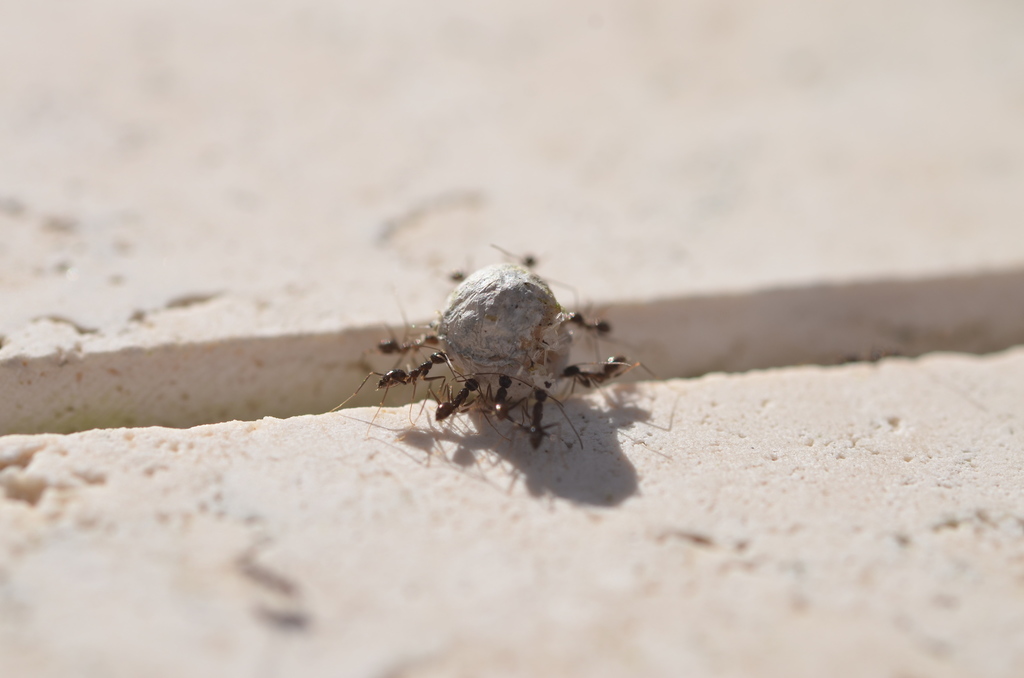
Longhorn crazy ant
Paratrechina longicornis
≠The key differences
Argentine ants have shorter legs and a straighter trail-following behaviour; workers are more uniform light to dark brown and lack the very long antennae and legs of Paratrechina longicornis.
⚖︎Side by side
| Argentine ant | Longhorn crazy ant | |
|---|---|---|
| To humans | Non-toxic | Irritant bite |
| Size | Workers 2-3 mm, queens about 4-6 mm | 2-3 mm (worker length) |
| Colours | Brown, Light brown, Dark brown (nearly black) eyes and mandibles | Dark brown, Black, Metallic sheen |
| Family | Formicidae | Formicidae |
| Habitat | Urban areas, gardens, agricultural fields, coastal scrub and other disturbed habitats. Nests in soil, leaf litter, under objects, and indoors in moist cavities. | Human-associated environments: buildings, gardens, potted plants, mulch, soil, under stones and inside wall voids; also outdoors in leaf litter and tree bases. |
| Range | Native to southern South America; invasive in North America, Europe, Africa, Australia, parts of Asia and many islands worldwide. | Pantropical and cosmopolitan in warm regions worldwide; common in Americas, Africa, Asia, Oceania and many islands; established in heated buildings in cooler regions. |
| Active | Year-round in warm climates and indoors; most active in spring through autumn outdoors and during warm periods of the day. | Active year-round in warm climates and indoors; most active during warm, humid conditions and daylight to evening hours. |
| Pest? | Yes | Yes |
🔍How to spot an argentine ant
- Workers 2-3 mm long, uniformly brown to dark brown and relatively slender.
- Single petiole node (one small bump) between thorax and abdomen; no spines on the thorax.
- Form long, persistent foraging trails and large numbers at sources of sugar (sweets, honeydew).
- Colonies show low aggression between neighboring nests (supercolonies) where present.
🔍How to spot a longhorn crazy ant
- Very long legs and antennae relative to body size, giving a lanky look.
- Rapid, erratic 'crazy' running pattern rather than straight, organized trails.
- Small workers about 2-3 mm long, dark brown to blackish with long, coarse pale hairs.
- Relatively very long scapes (first antenna segment) extending well past the back of the head.
?Frequently asked questions
What is the difference between an argentine ant and a longhorn crazy ant?
Argentine ants have shorter legs and a straighter trail-following behaviour; workers are more uniform light to dark brown and lack the very long antennae and legs of Paratrechina longicornis.
Is an argentine ant or a longhorn crazy ant more dangerous?
Argentine ant: Non-toxic. Longhorn crazy ant: Irritant bite. Argentine ants do not have a sting. Workers do not have a stinger but can bite and may spray formic acid, causing minor local irritation or a burning sensation in sensitive people.
Identification from photos is never certain: don't handle insects you can't identify, and get medical advice for bites, stings or allergic reactions.