
Argentine ant
Linepithema humile · Ants
A small, highly invasive, eusocial ant that forms large supercolonies and commonly invades buildings, gardens and agricultural sites.
!Is the argentine ant dangerous?
No. Argentine ants do not have a sting. Workers can sometimes nip skin but bites are minor and not medically significant. Some people report mild skin irritation if ants are crushed against the skin because ants can release defensive chemicals; allergic reactions are rare. Clean bites or contact with soap and water; seek medical advice only for unusual irritation or allergy.
Pets
Generally non-toxic to pets, but large numbers can annoy animals and contaminate pet food. Ingestion of bait products used for control can be harmful; follow label directions and keep baits away from pets.
📖Overview
The Argentine ant is a small, social ant native to northern Argentina and surrounding regions that has become one of the world's most successful invasive insects. Colonies can merge into expansive 'supercolonies' with little aggression between nests, allowing dense populations to dominate habitats. They are generalist foragers that feed on sweet liquids and protein and often displace native ant species and alter local ecosystems.
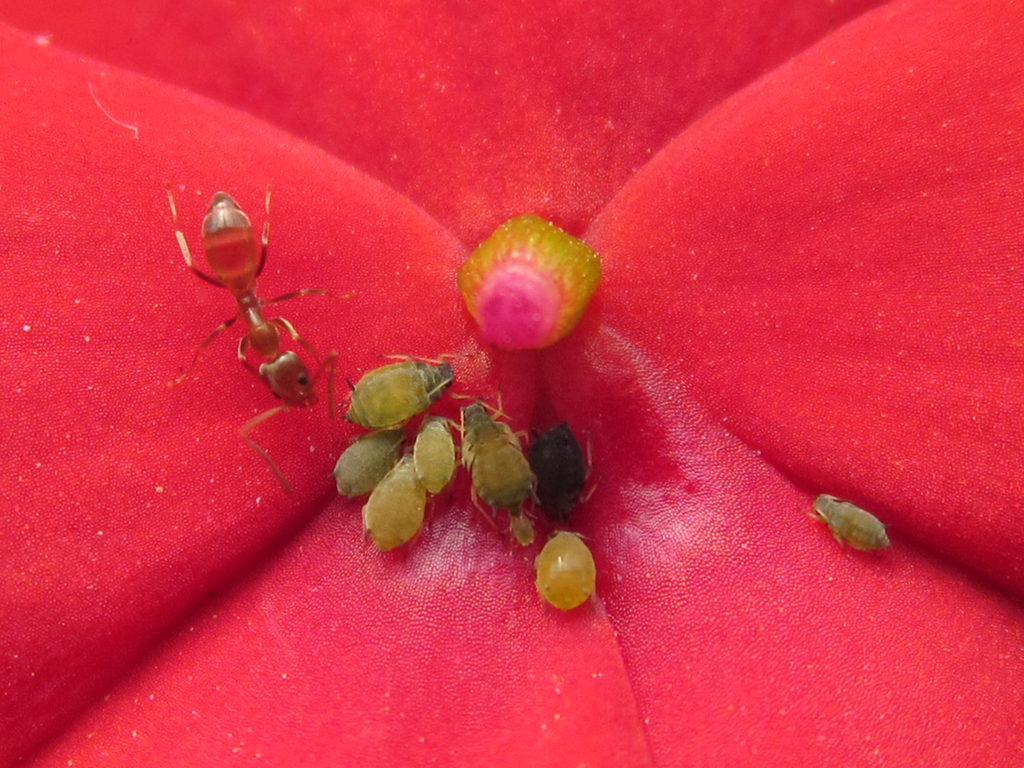
Argentine ants commonly nest in soil, mulch, under stones, pavement cracks and inside moist parts of buildings. They are a major urban and agricultural pest in many temperate and Mediterranean climates worldwide because of their sheer numbers and their tendency to tend sap-feeding insects (aphids, scales), which can increase plant damage.
🔍How to identify an argentine ant
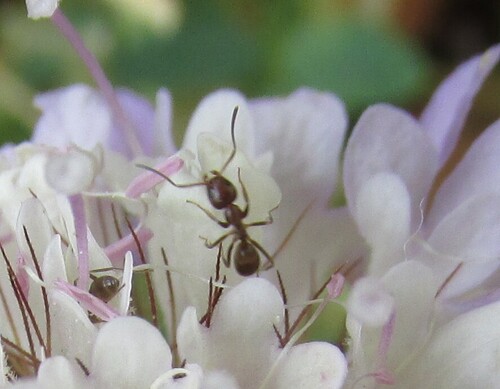
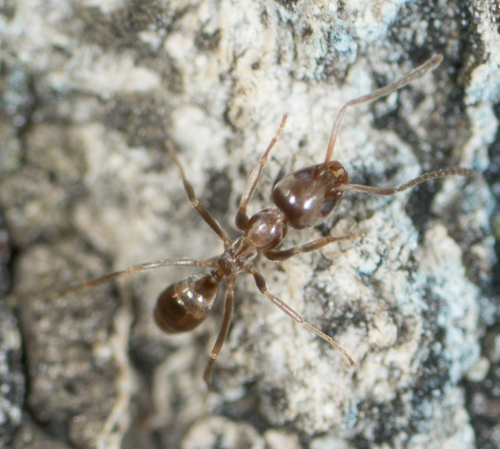
Workers are small (about 2-3 mm long), uniformly brown to dark brown with a slender, smooth body and relatively long antennae. They lack a sting. Colonies have winged males and females (alates) during reproductive periods; queens are larger (about 4-6 mm) and wingless once established. Key external features include a single petiole node between thorax and abdomen and no spines on the thorax.
- Workers 2-3 mm long, uniformly brown to dark brown and relatively slender.
- Single petiole node (one small bump) between thorax and abdomen; no spines on the thorax.
- Form long, persistent foraging trails and large numbers at sources of sugar (sweets, honeydew).
- Colonies show low aggression between neighboring nests (supercolonies) where present.
Lookalikes
Pavement ant Tetramorium caespitum
Pavement ants usually have two petiole nodes and small spines on the thorax; pavement ants are often darker and show more aggressive behavior between colonies.
Pharaoh ant Monomorium pharaonis
Pharaoh ants are very small (about 2 mm) and yellowish to light brown; pharaoh ants have a different petiole structure (two nodes) and are more yellow than Argentine ants.
Odorous house ant Tapinoma sessile
Odorous house ants are similar in size and color but emit a strong rotten coconut odor when crushed; they have a single petiole that is hidden under the gaster and lack a visible node from above.
↻Life cycle
Egg
Queens lay tiny eggs that hatch into worker larvae. In invasive populations many queens may be present in connected nests.
Larva
Legless, grub-like larvae are fed by workers. Larval development depends on temperature and food availability.
Pupa
Pupae develop inside cocoons before emerging as adults; development time varies with climate.
Adult
Workers forage, care for brood and maintain nests; queens reproduce. Colonies may contain many queens and merge into supercolonies.
🍃Diet and predators
Young eat
Protein-rich foods provided by workers (insects, other arthropods, insect parts) and sugar-rich honeydew processed by workers.
Adults eat
Adults (workers) forage for sugary liquids (nectar, honeydew, household sweets) and protein sources to feed larvae.
Predators of the young
Natural predators include birds, other ants, spiders and predatory insects, though invasive supercolonies reduce predation locally by sheer numbers.
Predators of adults
Spiders, predatory beetles and larger ant species (where not displaced) prey on workers.
🌱Effect on plants and gardens
Argentine ants indirectly harm plants by protecting and herding honeydew-producing pests (aphids, scale), which increases plant feeding and can make pest control harder. They also displace native ants that provide ecological services such as seed dispersal and predation on pests.
How to get rid of argentine ants
Use a combination of sanitation, exclusion and baits. Remove food sources by cleaning up spills and securing garbage and pet food. Eliminate moisture and seal entry points. For established infestations, commercial sweet or protein-based ant baits with slow-acting insecticide are most effective because foragers carry bait back to nest and queen. Broadcast sprays give only short-term reduction. For large or persistent infestations, consult a licensed pest control professional. Avoid home remedies that repel but do not eliminate colonies, as these can divert foragers and reduce bait effectiveness.
📍Where and when to find it
Look for worker trails on sidewalks, along foundations, in gardens, under rocks, logs and mulch. Indoors check kitchens, pantries, behind appliances and near plumbing for trails and nests.
Best time
Most active in warm months and during warm parts of the day; in mild climates they forage year-round. Reproductive flights (alates) occur seasonally where conditions permit.
Observation tips
Follow a trail to locate entry points and feeding spots for targeted baiting. Photograph specimens with a macro setting and include size scale or a ruler for identification.
✨Fun facts
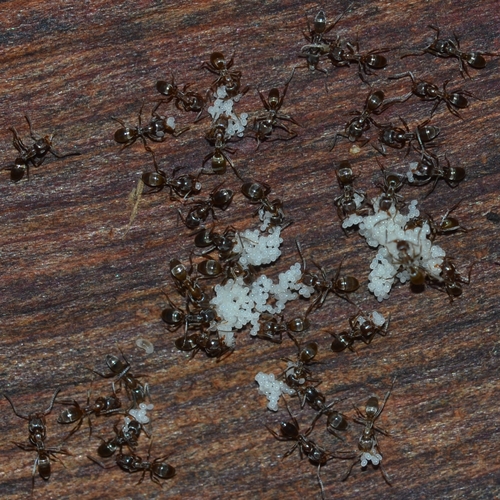
- Argentine ants can form 'supercolonies' containing millions of workers and many queens that span large areas with little aggression between nests.
- Because they farm aphids for honeydew, their presence can indirectly increase plant damage by encouraging sap-feeding pest populations.
?Frequently asked questions
Are Argentine ants dangerous?
No — they are not venomous and do not sting. They are a nuisance and an ecological and agricultural pest but pose little direct danger to human health.
Do Argentine ants bite?
Workers can nip at the skin but bites are minor and not medically important. They do not have a functional sting.
Why are Argentine ants in my house?
They are attracted to food (especially sweets), water and warm, moist nesting sites. Crumbs, uncovered food, pet food and leaks make homes attractive.
How do I get rid of Argentine ants?
Remove food and water sources, seal entry points and use slow-acting ant baits designed for sugar or protein feeders so workers carry bait back to the nest. For large infestations, professional pest control is recommended.
Where do Argentine ants live?
Native to South America, they have spread worldwide and live in urban and disturbed habitats, nesting in soil, mulch, under stones, pavement cracks and sometimes inside buildings in moist locations.
📷Photos of the argentine ant
More bees, wasps & ants
Bites and formic acid
Painful sting
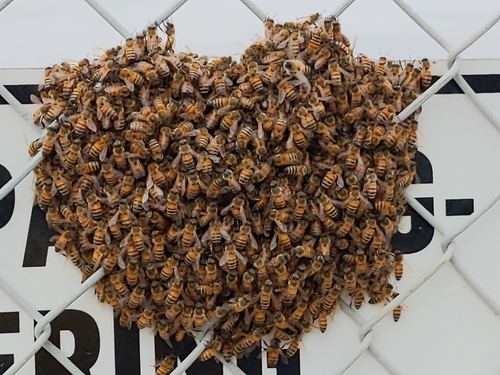
Stinging insect
Can sting
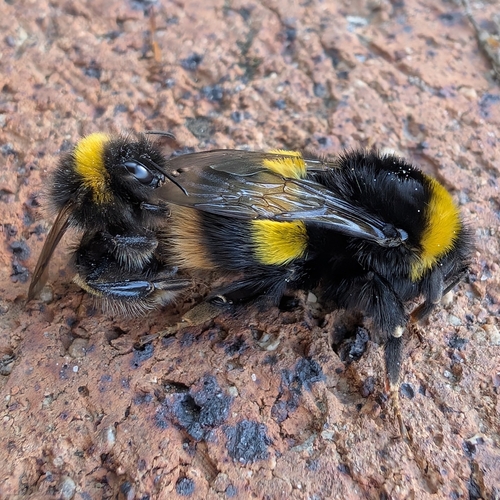
Can sting
Can sting
This guide was written with AI assistance and fact-checked, last updated 2026-10-10. Identification from photos is never certain: don't handle insects you can't identify, and get medical advice for bites, stings or allergic reactions. More about the argentine ant: iNaturalist, Wikipedia.