
Argentine ant vs Odorous house ant
These two are easy to mix up. Here's how to tell an argentine ant from an odorous house ant, and whether either one bites or stings.
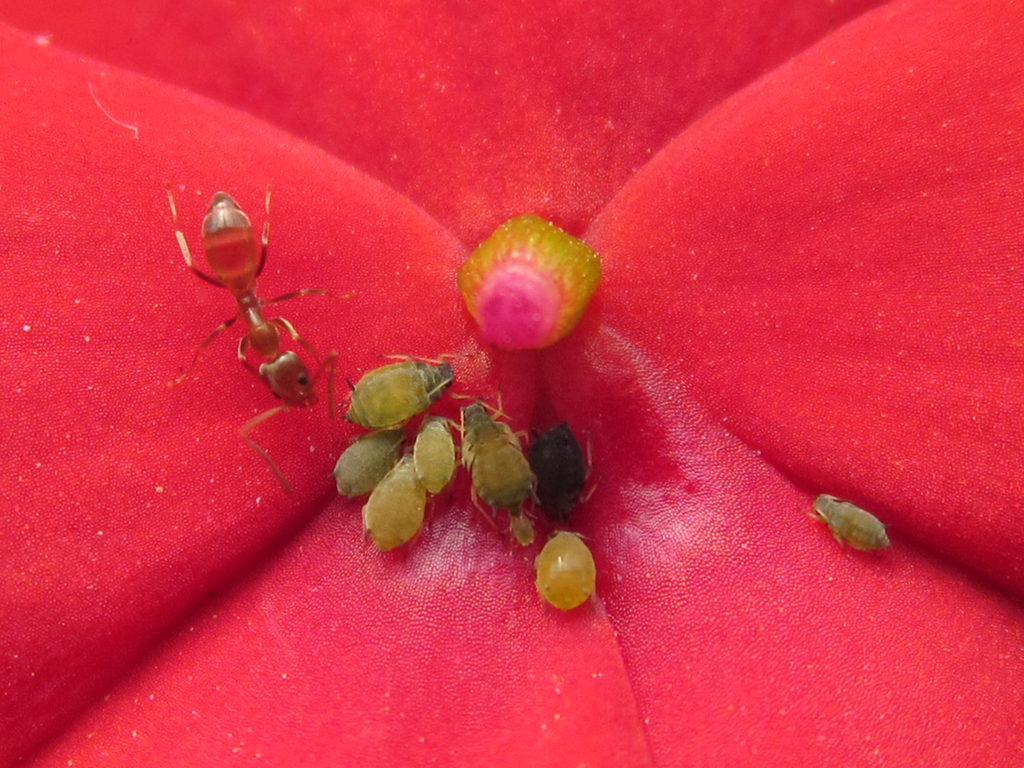
Argentine ant
Linepithema humile
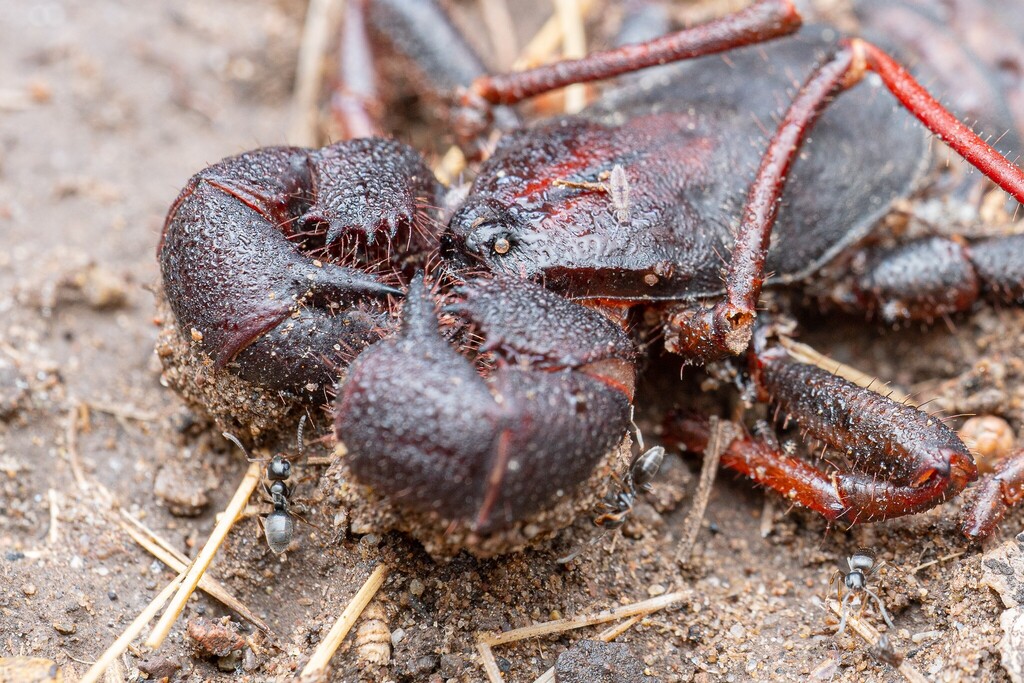
Odorous house ant
Tapinoma sessile
≠The key differences
Odorous house ants are similar in size and color but emit a strong rotten coconut odor when crushed; they have a single petiole that is hidden under the gaster and lack a visible node from above.
Argentine ants are uniformly brown and form supercolonies; odour is not as strong and petiole is visible. Geographic overlap can occur but Argentine ants typically have different trail and nesting behaviour.
⚖︎Side by side
| Argentine ant | Odorous house ant | |
|---|---|---|
| To humans | Non-toxic | Non-toxic |
| Size | Workers 2-3 mm, queens about 4-6 mm | Workers 2.4-3.3 mm long; queens larger (about 4-5 mm) |
| Colours | Brown, Light brown, Dark brown (nearly black) eyes and mandibles | Light brown, Dark brown, Black |
| Family | Formicidae | Formicidae |
| Habitat | Urban areas, gardens, agricultural fields, coastal scrub and other disturbed habitats. Nests in soil, leaf litter, under objects, and indoors in moist cavities. | Urban and suburban areas, inside buildings (kitchens, wall voids), under stones, wood, mulch and in soil; tolerant of varied habitats |
| Range | Native to southern South America; invasive in North America, Europe, Africa, Australia, parts of Asia and many islands worldwide. | Native to North America and widespread across the United States and southern Canada; found in diverse habitats from forests to cities |
| Active | Year-round in warm climates and indoors; most active in spring through autumn outdoors and during warm periods of the day. | Active year-round in heated buildings; outdoors mostly spring to fall and during warm parts of the day |
| Pest? | Yes | Yes |
🔍How to spot an argentine ant
- Workers 2-3 mm long, uniformly brown to dark brown and relatively slender.
- Single petiole node (one small bump) between thorax and abdomen; no spines on the thorax.
- Form long, persistent foraging trails and large numbers at sources of sugar (sweets, honeydew).
- Colonies show low aggression between neighboring nests (supercolonies) where present.
🔍How to spot an odorous house ant
- Very small workers (2.4-3.3 mm) with a smooth profile because the petiole is hidden by the gaster
- Colour variable from light brown to dark brown or black
- When crushed, workers give off a distinctive odour often described as rotten coconut, pine, or moldy cheese
- Do not have a distinct antenna club and have 12-segmented antennae
?Frequently asked questions
What is the difference between an argentine ant and an odorous house ant?
Odorous house ants are similar in size and color but emit a strong rotten coconut odor when crushed; they have a single petiole that is hidden under the gaster and lack a visible node from above. Argentine ants are uniformly brown and form supercolonies; odour is not as strong and petiole is visible. Geographic overlap can occur but Argentine ants typically have different trail and nesting behaviour.
Is an argentine ant or an odorous house ant more dangerous?
Argentine ant: Non-toxic. Odorous house ant: Non-toxic. Argentine ants do not have a sting. Odorous house ants do not have a sting.
Identification from photos is never certain: don't handle insects you can't identify, and get medical advice for bites, stings or allergic reactions.