
Silky field ant
Formica subsericea · Wood ants and field ants
A dark, ground-nesting North American ant that forages in open areas, tends aphids and can spray formic acid when handled.
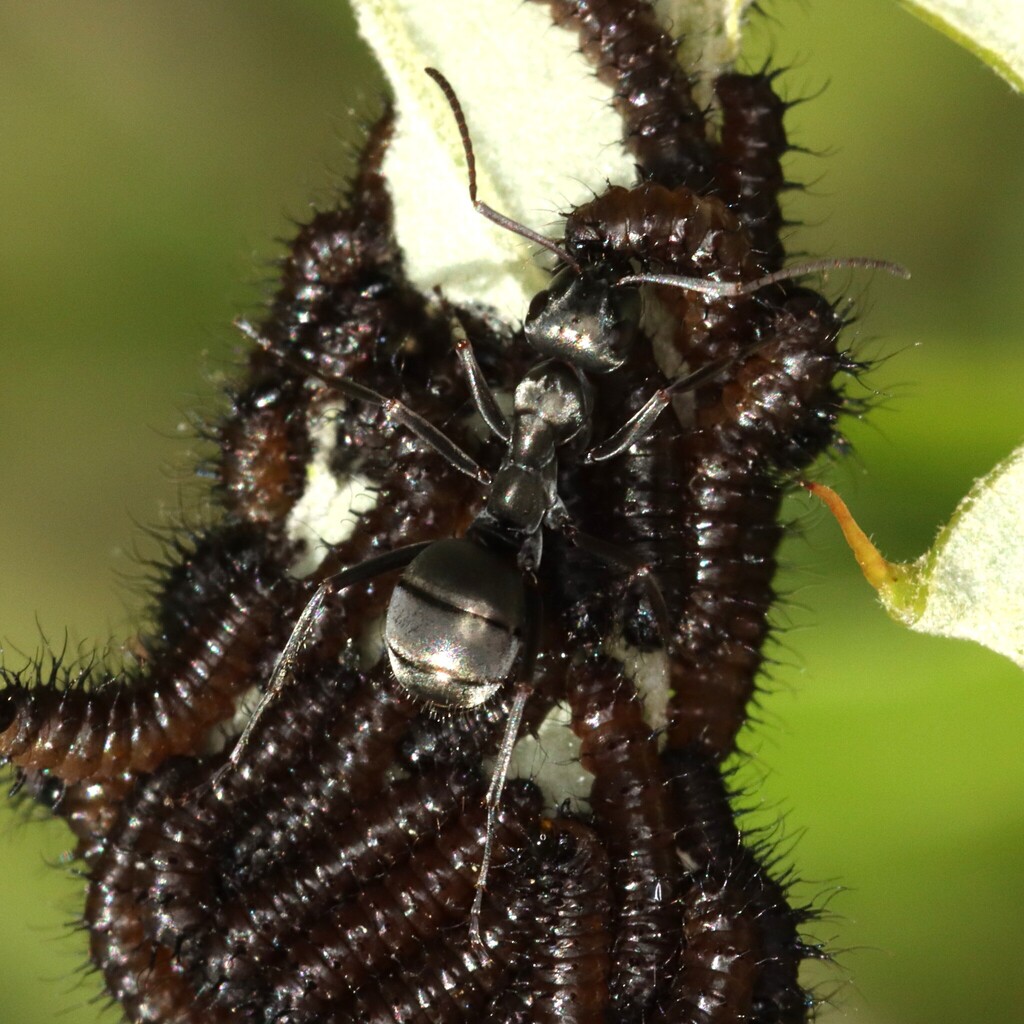
!Is the silky field ant dangerous?
Only mildly. Silky field ants do not have a true sting but will bite with their mandibles and can spray formic acid from the gaster into the bite, causing local burning, redness and temporary irritation. Reactions are usually mild; allergic reactions are rare but possible. Clean the area with soap and water, apply a cold compress for pain or swelling, and seek medical help if there are signs of a severe allergic reaction.
Pets
Generally cause only local irritation if a pet is bitten; multiple bites could be painful for small animals. Watch for swelling or changes in behavior and consult a veterinarian if symptoms are severe.
📖Overview
Formica subsericea, commonly called the silky field ant, is a medium-sized Formica ant native to eastern and central North America. It builds nests in soil, under stones, or in low mounds in open fields, lawns, forest edges and meadows. Workers forage openly for insects, honeydew from aphids, and other food scraps and carrion. When disturbed they can bite and spray formic acid; they are not aggressive toward people unless the nest is threatened.
Colonies range from small to moderately large and may contain one or multiple queens depending on the local population. These ants play a role in controlling small arthropod pests and in tending aphids and other honeydew-producing insects, so they are both beneficial and sometimes a nuisance in agricultural or garden settings.
🔍How to identify a silky field ant
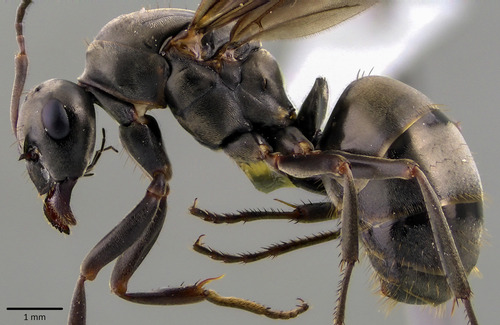
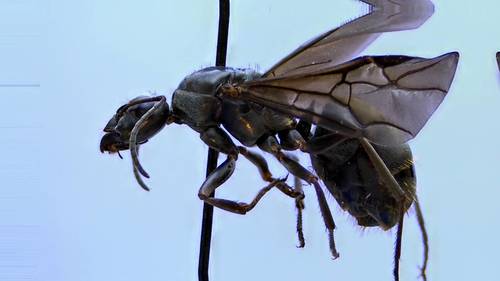
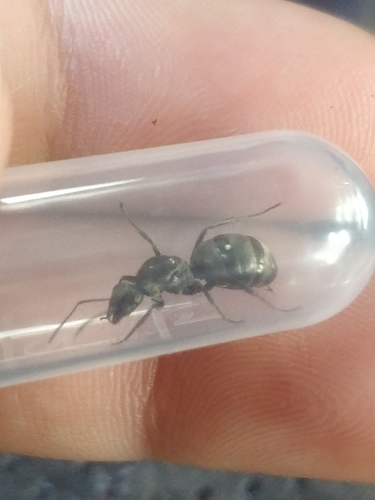
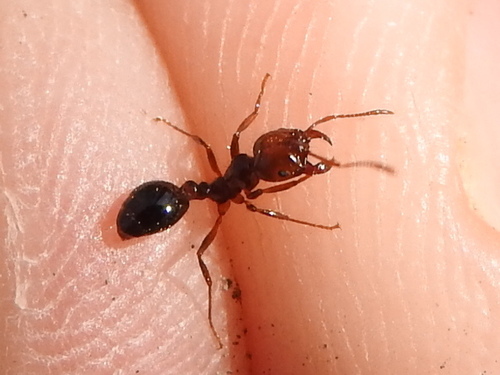
Workers are generally uniform dark brown to black, sometimes with slightly lighter legs or a faint sheen giving a silky appearance. The body is smooth with fine pilosity and the gaster (abdomen) is oval. Antennae are elbowed with 12 segments; a single petiole node is visible between thorax and gaster. Queens are larger, darker and more robust; males are smaller and more slender. Size varies by caste but lacks bright red or yellow contrasting marks common in some other Formica species.
- Uniform dark brown to black worker ants with a subtle silky sheen and fine short hairs.
- Single petiole node between mesosoma and gaster (typical Formica shape).
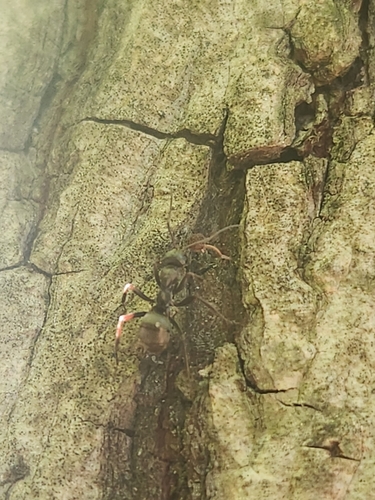
- Nests in soil, low mounds, under stones or in lawns; foraging trails often visible on the ground.
- Behavior: tend aphids on plants and forage openly during the day.
Lookalikes
Black carpenter ant Camponotus pennsylvanicus
Carpenter ants are larger (6-13 mm), have an evenly arched thorax profile, long yellowish hairs on the gaster, and nest in wood rather than soil.
Cornfield ant Lasius neoniger
Cornfield ants are much smaller (about 2.5-3.5 mm), lighter brown, and build small crater-like nests in lawns; they lack the larger Formica body shape.
Other Formica field ants Formica fusca group (various)
Close relatives in the Formica fusca group look similar; careful examination of pilosity, body sculpturing and geographic range, or expert identification, may be needed to separate species.
↻Life cycle
Egg
Tiny oval eggs laid by the queen or queens; eggs hatch in about 1-2 weeks depending on temperature and colony conditions.
Larva
Grub-like, legless larvae are fed by workers with protein and sugary liquids. Larval development lasts several weeks.
Pupa
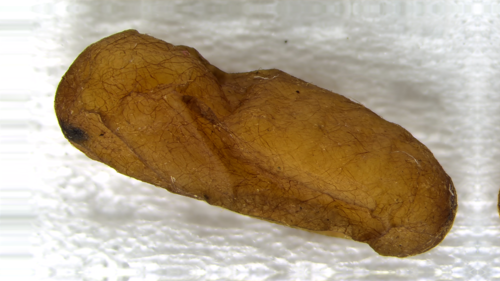
Pupae are immobile and often enclosed in a silken cocoon; metamorphosis into adult ants occurs within one to several weeks.
Adult
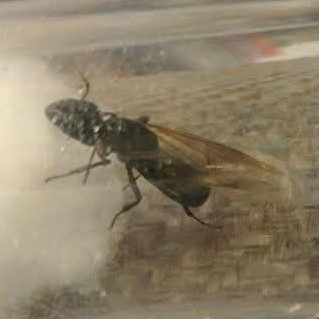
Worker ants emerge and take on tasks such as foraging, nest maintenance and caring for brood; reproductive alates appear seasonally and fly to form new colonies.
🍃Diet and predators
Young eat
Fed by workers on a diet of protein-rich foods (insect prey, eggs) and sugary secretions
Adults eat
Omnivorous: forage for nectar, honeydew from aphids, insect prey and carrion; workers also collect sugary liquids and occasionally tend aphids
Predators of the young
Birds, predatory insects, spiders and other ants
Predators of adults
Birds, larger ants, spiders, toads and insectivorous mammals
🌱Effect on plants and gardens
Silky field ants tend aphids and other sap-sucking insects for honeydew, which can increase aphid populations on plants. They also prey on or scavenge small arthropods and help clean up dead insects.
📍Where and when to find it
Look for workers on low vegetation, plants with aphids, open ground, along foraging trails and near soil nests or under stones. Reproductive alates may be seen flying during warm months.
Best time
Spring through early fall during daylight hours; peak activity on warm sunny days.
Observation tips
Follow foraging trails back to the nest for a good photo. Use a macro lens or close-up setting to capture body texture and petiole node. Avoid disturbing the nest to prevent defensive spraying of formic acid.
✨Fun facts
- Formica ants can spray formic acid as a defense instead of stinging.
- Workers tend aphids and 'milk' them for honeydew, effectively farming these insects.
- Some Formica species are known to adopt brood from other ant species or practice temporary social parasitism; specific behaviors vary across related species.
?Frequently asked questions
Do silky field ants bite or sting?
They bite with their mandibles and can spray formic acid into the bite, causing a burning sensation; they do not have a true sting.
Are silky field ants dangerous to humans?
Only mildly. They are not dangerous to most people. Bites can be painful and cause localized irritation; allergic reactions are rare but possible.
Why are these ants in my house or yard?
They forage in lawns and gardens for food (sugars, insects) and may nest in sunny spots in soil, under stones or in mulch. They enter buildings rarely and usually when foraging for food.
How do I get rid of silky field ants?
Use baiting strategies placed on trails so workers carry poison back to the nest, or treat the nest directly with boiling water or approved insecticides. For persistent problems, hire a pest professional.
Where do silky field ants live?
They are found across eastern and central North America, nesting in soil mounds, under stones, in lawns, meadows and forest edges.
📷Photos of the silky field ant
More bees, wasps & ants
Bites and formic acid
Painful sting
Stinging insect
Can sting
Can sting
Can sting
This guide was written with AI assistance and fact-checked, last updated 2026-10-10. Identification from photos is never certain: don't handle insects you can't identify, and get medical advice for bites, stings or allergic reactions. More about the silky field ant: iNaturalist, Wikipedia.