
Florida carpenter ant
Camponotus floridanus · Carpenter ants
A large, common southeastern US carpenter ant that nests in damp or decayed wood and forages widely for sweets and protein.
!Is the Florida carpenter ant dangerous?
Only mildly. Workers do not have a functional sting but will bite and can spray or apply formic acid, which may cause local pain, itching or mild irritation. Reactions are usually minor; seek medical advice for severe allergic reactions or if a bite becomes infected.
Pets
Bites can annoy or cause minor irritation to pets. Large numbers entering pet food or nests in structures can be a nuisance. Not known to transmit major diseases to pets.
📖Overview
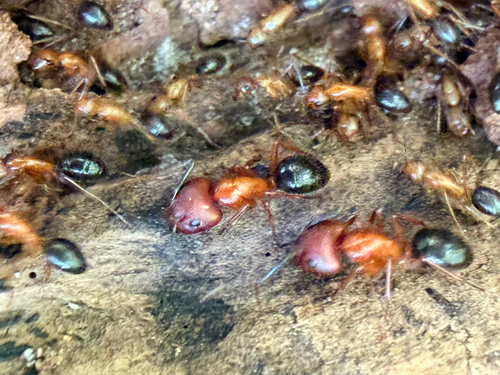
Camponotus floridanus is a large, conspicuous carpenter ant found mainly in the southeastern United States. Like other carpenter ants, it excavates galleries in wood to create nests but usually prefers moist or decayed wood rather than sound structural timber. Colonies are polymorphic, with major (soldier) and minor workers. Workers forage for honeydew, nectar, plant and animal protein, and household foods. Colonies can be persistent and may cause cosmetic or structural damage over time if nests are inside buildings.
🔍How to identify a Florida carpenter ant
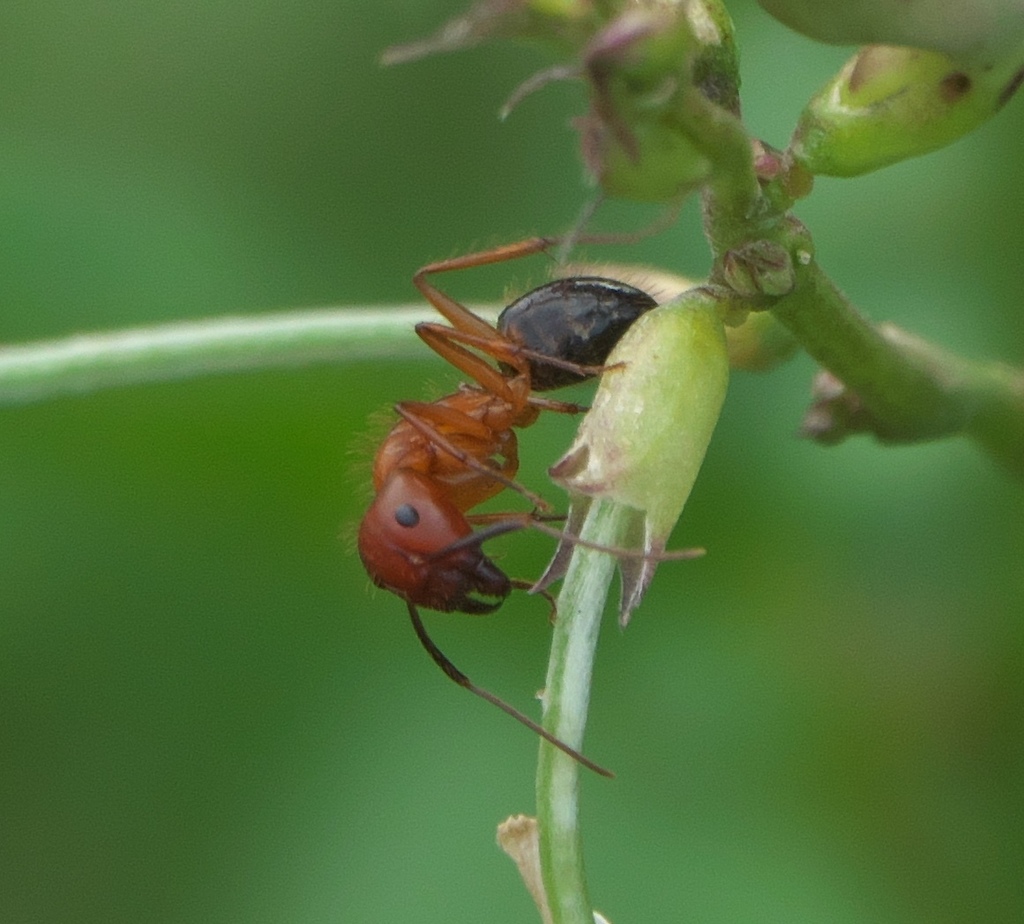
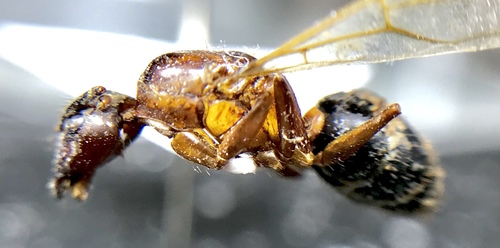
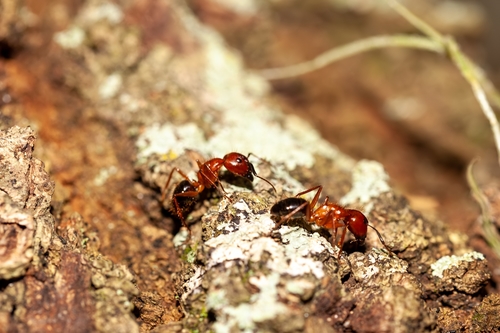
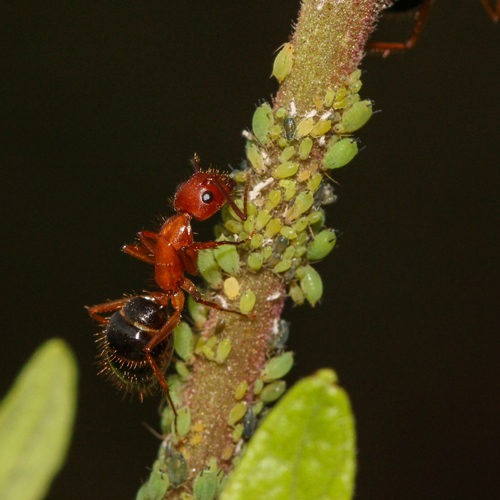
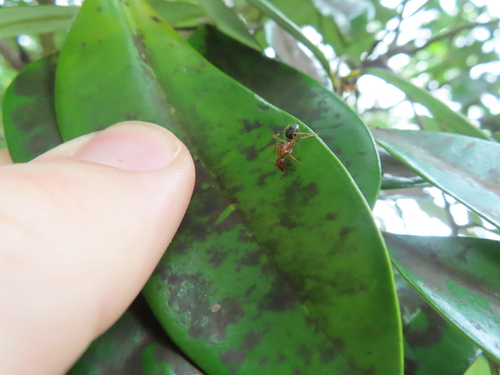
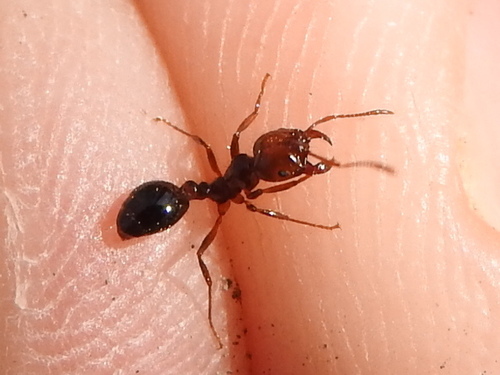
Workers are polymorphic: minors are smaller while majors have disproportionately large heads. Colouration is variable but typically shows a reddish to orange-brown head and thorax with a darker brown or black gaster; some populations are darker overall. The body often has fine golden or yellowish hairs on the mesosoma. Adults are smooth and relatively shiny compared with many small ants.
- Large size for an ant: workers generally 6-13 mm, with majors larger and big-headed.
- Reddish to orange-brown head and thorax with a darker brown or black gaster in many specimens.
- Smooth, shiny body with sparse golden hairs on the mesosoma and gaster.
- Tendency to nest in wood galleries and presence of smooth, clean galleries or small piles of frass (wood shavings mixed with feces).
Lookalikes
Black carpenter ant Camponotus pennsylvanicus
C. pennsylvanicus is generally uniformly dark black to dark brown and occurs farther north; C. floridanus more often shows reddish/orange tones on the head and thorax.
Other Camponotus species Camponotus spp.
Many Camponotus species overlap in shape; colour pattern (reddish thorax and darker gaster) and geographic location help separate C. floridanus. Expert identification may require microscopic examination or consultation of regional keys.
↻Life cycle
Egg
Tiny, oval white eggs laid by the queen inside the nest; eggs hatch in days to weeks depending on temperature and colony condition.
Larva
Grublike, legless larvae fed by workers. Larval development can take several weeks and requires protein for growth.
Pupa
Pupae are initially white and later darken; pupal stage lasts days to weeks before adult emergence.
Adult
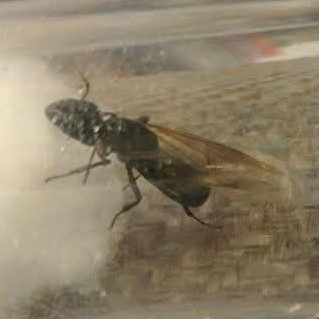
Workers and reproductive adults perform colony tasks. New queens and males are produced seasonally for mating flights.
🍃Diet and predators
Young eat
Protein-rich foods provided by workers: insect prey and other animal matter, plus liquid food passed mouth-to-mouth by workers.
Adults eat
Omnivorous: honeydew from sap-sucking insects, nectar, plant exudates, and scavenged or household foods (sugars and proteins).
Predators of the young
Other ants, predatory insects, parasitic wasps and some spiders.
Predators of adults
Birds, lizards, spiders, larger predatory ants and some mammals that feed on insects.
🌱Effect on plants and gardens
Not a direct foliar pest; colonies excavate decayed wood and may nest in living trees' cavities, which can hasten decline if wood is already weakened.
How to get rid of Florida carpenter ants
Locate and remove damp or decayed wood near or inside the structure. If ants are inside a building, locate the nest if possible; use slow-acting protein or sugar baits labelled for carpenter ants to carry bait into the colony. Seal entry points, reduce wood-to-soil contact, fix leaks and remove damp wood. For large or difficult infestations, consult a licensed pest-control professional.
📍Where and when to find it
Search tree cavities, rotting logs, stumps, fence posts, and damp structural wood. Foraging workers travel along trails on tree trunks, foundations and indoor surfaces.
Best time
Spring through fall for peak activity; many workers forage at night or during cooler parts of the day.
Observation tips
Follow ant trails back toward their nest, look for piles of frass (wood shavings mixed with debris) near entry holes, and inspect damp wood and roof eaves carefully.
✨Fun facts
- Carpenter ants do not eat wood; they excavate it to make galleries and feed on sweets and proteins.
- Major workers have large heads and strong mandibles used to excavate wood and process large food items.
- Colonies can be long-lived and may persist for many years if undisturbed.
?Frequently asked questions
Do Florida carpenter ants bite?
Yes. Workers bite with their mandibles and can apply formic acid, causing pain or irritation, but they do not have a true stinger.
Are they dangerous to my house?
They can excavate galleries in damp or decayed wood and over time may cause structural or cosmetic damage if nests are inside a building. Removing moisture sources and decayed wood reduces the risk.
Why are they in my house?
They are attracted to food sources (sugars and proteins) and to moist or decayed wood for nesting. Indoor infestations often follow leaks, damp wood, or tree-to-roof contact.
How do I get rid of Florida carpenter ants?
Find and treat the nest if possible, remove damp/decayed wood, seal entry points, and use slow-acting baits labelled for carpenter ants so workers carry bait into the colony. For large infestations, hire a pest-control pro.
Do pesticides work?
Contact insecticides can kill foragers but often do not eliminate the colony; baits and nest treatments are more effective for long-term control. Always follow label directions and consider professional help for extensive problems.
📷Photos of the Florida carpenter ant
More bees, wasps & ants
Bites and formic acid
Painful sting
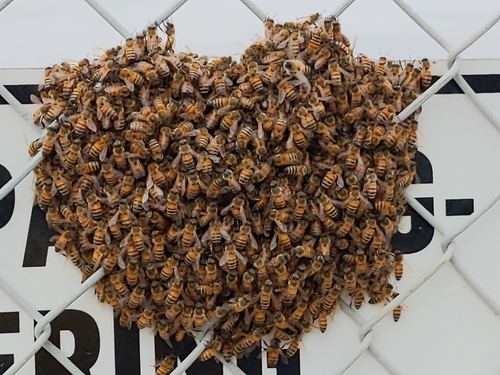
Stinging insect
Can sting
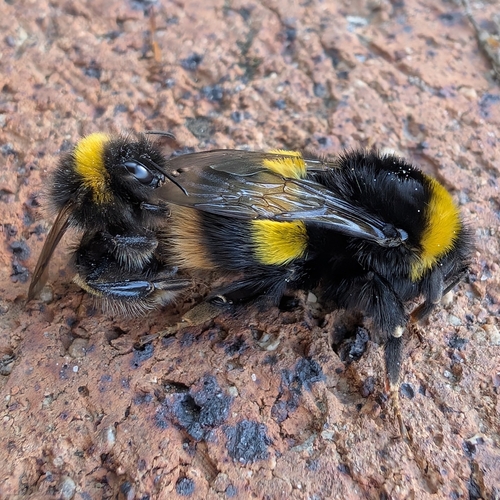
Can sting
Can sting
This guide was written with AI assistance and fact-checked, last updated 2026-10-10. Identification from photos is never certain: don't handle insects you can't identify, and get medical advice for bites, stings or allergic reactions. More about the Florida carpenter ant: iNaturalist, Wikipedia.