
Northern yellow sac spider
Cheiracanthium mildei · Sac spiders
Small pale-yellow nocturnal spider that makes silk daytime sacs and is frequently found inside houses; bites can be painful but are rarely dangerous.

!Is the northern yellow sac spider dangerous?
Only mildly. Bites can be painful and produce local redness, swelling and occasionally blistering. Severe systemic reactions are rare. Basic first aid: wash the bite with soap and water, apply a cold pack to reduce swelling, and take an analgesic if needed. Seek medical care if symptoms worsen, spread, or if you have severe pain, signs of infection, or allergic reaction.
Pets
Generally not dangerous to cats and dogs because the spider is small; bites are uncommon and would usually cause only minor local irritation. If a pet shows marked pain, swelling, lethargy or other concerning signs after contact, consult a veterinarian.
📖Overview
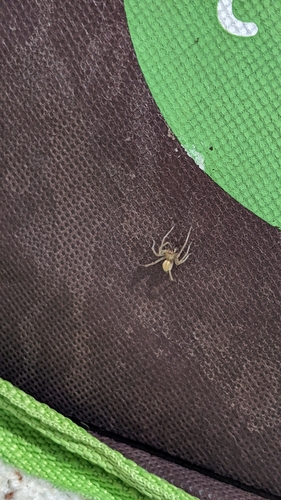
Cheiracanthium mildei is a small, pale-yellow to greenish-yellow sac spider common in buildings and gardens in temperate regions. Originally described from Europe, it is now widespread in North America and other regions where it has been introduced. These spiders are nocturnal hunters that do not build prey-capture webs; during the day they rest in silken tubular 'sacs' tucked into corners, folded leaves, or clothing.
They are often noticed indoors because females search for sheltered sites to lay eggs and juveniles and adults may wander inside in autumn and winter. Bites sometimes occur if the spider is trapped against skin; most bites cause temporary local pain, redness and swelling but rarely produce severe medical problems. Cheiracanthium mildei preys on small insects and therefore can help reduce pest insects around homes and gardens.
🔍How to identify a northern yellow sac spider
Adults are small, with a somewhat elongated abdomen and long legs relative to body size. Body length typically ranges from about 5 to 10 mm. Overall coloration is pale yellow, cream or greenish-yellow with slightly darker markings sometimes visible on the abdomen or cephalothorax; legs are usually a similar pale yellow. The tips of the jaws (chelicerae) and the feet are usually darker brown. Females are slightly larger and more robust than males; males may have slimmer abdomens and longer legs.
- Small (5-10 mm) pale yellow, cream or greenish body with long legs and dark-tipped jaws
- Builds silken tubular 'sacs' in corners, folded leaves, clothes or under bark where it rests by day
- No sticky capture web; active hunting at night
- When found indoors often in ceilings, closets, behind picture frames or inside shoes
Lookalikes
Other yellow sac spiders Cheiracanthium inclusum and related species
Closely similar in color and habits; species-level differences require examination of genitalia or expert identification.
Garden ghost spider Hibana gracilis
Similar pale colour and size, but it usually has a faint pattern of paired spots on the abdomen and lacks the dark brown jaw tips of Cheiracanthium; both are nocturnal hunters.
↻Life cycle
Egg
Females lay eggs inside a silken sac and guard them until spiderlings hatch.
Spiderling (juvenile)
Young spiders resemble small adults and grow by molting several times; juveniles build small silk retreats like adults.
Adult
Mature males wander to find mates while females remain near their sacs; adults continue the nightly hunting behavior.
🍃Diet and predators
Young eat
Small insects and other tiny arthropods
Adults eat
Insects and other small spiders; active nocturnal hunters
Predators of the young
Birds, ants, larger spiders, predatory insects
Predators of adults
Birds, larger spiders, some wasps and small mammals
🌱Effect on plants and gardens
Adults and juveniles feed on small insects and other arthropods, helping control pest species in gardens and homes.
📍Where and when to find it
Look for daytime silk sacs in ceiling corners, closets, behind picture frames, inside shoes, folded leaves, under bark and in leaf litter; check walls and window frames at night to see active hunting.
Best time
Spring through autumn for outdoor activity; nocturnal—best observed at night or by inspecting daytime sacs.
Observation tips
Use a flashlight to inspect corners and shelves; place a white sheet under crevices and gently coax the spider out with a stick into a jar for a photo. Avoid handling by hand.
✨Fun facts
- Called 'sac spiders' because they rest in small silken tubes or sacs rather than using webs to catch prey.
- They are active hunters at night and are often found inside houses because they like sheltered resting sites.
- Although their bites get media attention, most cases cause only short-lived local symptoms.
?Frequently asked questions
Do Northern yellow sac spiders bite?
Yes. They will bite if trapped against skin or handled roughly, but bites are uncommon and usually produce local pain and swelling.
Are yellow sac spider bites dangerous?
Only mildly. Most bites cause only mild to moderate local symptoms. Serious systemic reactions or long-term damage are rare; seek medical care for severe pain, signs of infection or allergic reaction.
Why do I find them in my house?
They prefer sheltered daytime refuges and hunt at night. Houses provide warm, dry hiding spots such as corners, closets, folded clothes and shoes.
How can I get rid of them?
Reduce entry points by sealing gaps, remove clutter where sacs are tucked, vacuum regularly (including corners and shelves), shake out clothing and shoes before use, and use sticky traps. In heavy infestations, targeted insecticide treatments by a pest professional can help.
Where do they live outdoors?
Outdoors they hide under bark, in leaf litter, in rolled leaves, and among shrubs; they are common in gardens and around buildings in temperate regions.
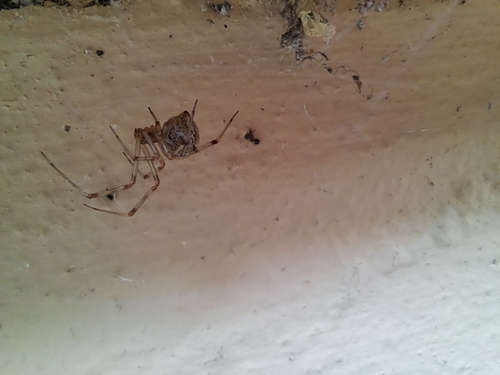
📷Photos of the northern yellow sac spider



More spiders
This guide was written with AI assistance and fact-checked, last updated 2026-10-10. Identification from photos is never certain: don't handle insects you can't identify, and get medical advice for bites, stings or allergic reactions. More about the northern yellow sac spider: iNaturalist, Wikipedia.