
Common Mormon
Papilio polytes · Swallowtail butterflies
A widespread Asian swallowtail; males are common and one female form mimics unpalatable species to avoid predators.
!Is the common Mormon dangerous?
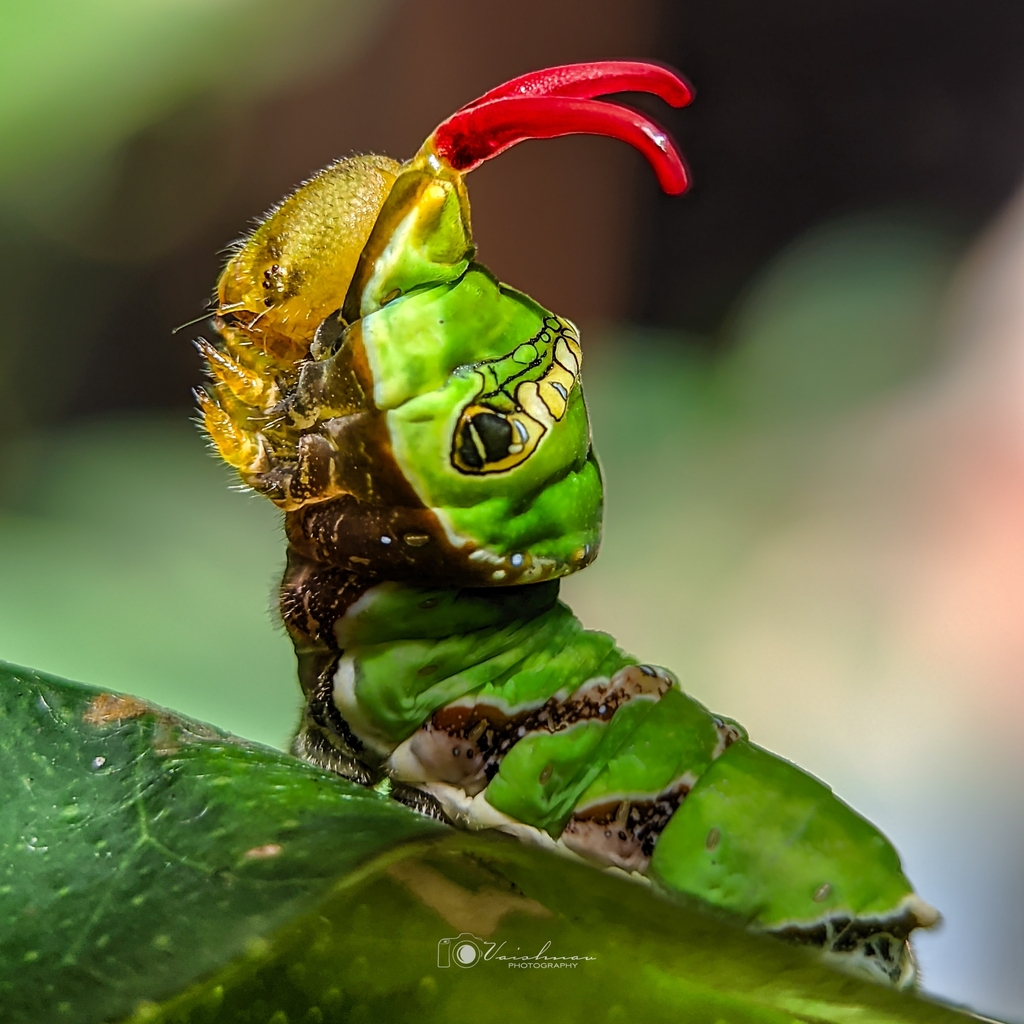
No. Harmless to people; adults do not bite or sting. Caterpillars have an osmeterium (a foul-smelling defensive organ) that may produce an unpleasant odor if handled. No medically significant venom.
Pets
Not toxic to pets. Larvae feed on citrus foliage and are not known to poison cats or dogs; however, ingestion of large amounts of plant material could cause mild stomach upset.
📖Overview
Papilio polytes is a widespread swallowtail butterfly found across South and Southeast Asia. Males are relatively uniform in appearance and are strong fliers; females are polymorphic, with some forms resembling distasteful red-bodied butterflies (Batesian mimicry). Adults visit flowers for nectar, while caterpillars feed on rutaceous plants such as citrus. The species adapts well to gardens, farmland edges and secondary forest, and is commonly seen near human habitation.
🔍How to identify a common Mormon
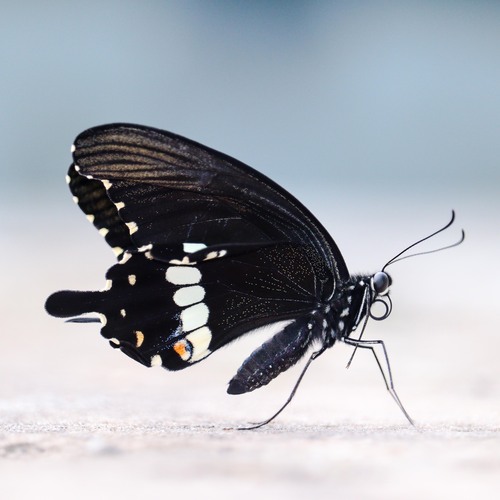
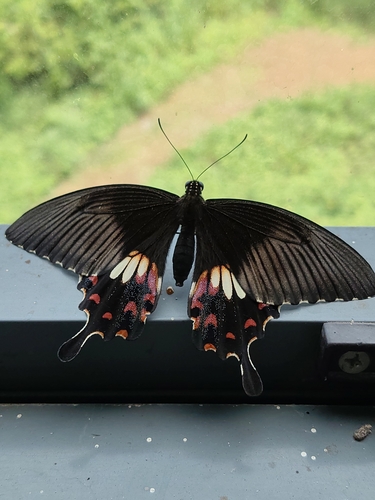
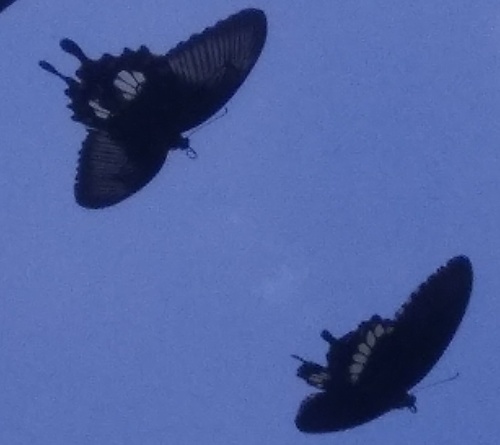
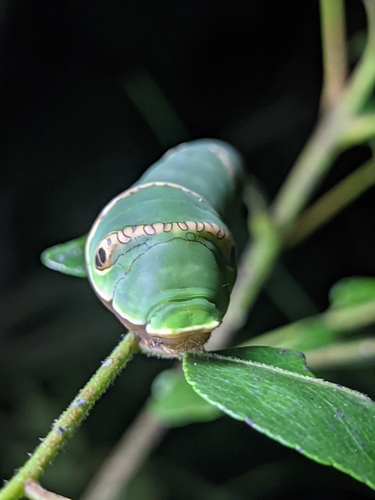
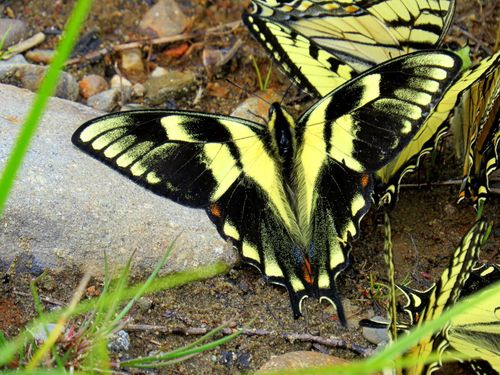
Winged adults have the characteristic swallowtail 'tails' on the hindwings. Males are black with a row of white spots along the forewing margin and a band of white spots across the hindwing. Females occur in several distinct forms: one (cyrus) resembles the male, while others (stichius and romulus) have white patches and red spots that imitate toxic red-bodied swallowtails such as the Common Rose and Crimson Rose; unlike their models, Common Mormons have a black body. The underside is similar but usually paler. Caterpillars at early instars are brown and white and resemble bird droppings; later instars turn green with eye-like markings and an osmeterium (a forked defensive gland) used to deter predators. Pupae are green or brown and resemble a stick or leaf stem.
- Hindwing with tail-like extensions typical of swallowtails.
- Males: black wings with a row of white spots along the forewing edge and a white band of spots across the hindwing.
- Females: several forms — some mimic male pattern, others have large white patches and red submarginal spots resembling toxic red-bodied swallowtails.
- Caterpillars early instars dark and bird-dropping-like, later instars green with eye-like markings and an osmeterium.
Lookalikes
Common Rose Pachliopta aristolochiae
Common Rose has a red body and head and slower, gliding flight; mimetic female forms of P. polytes copy its white-and-red wing pattern but have a black body.
Crimson Rose Pachliopta hector
Crimson Rose has a red body, white bars on the forewing and crimson spots on the hindwing; the romulus female form of P. polytes mimics it but has a black body.
↻Life cycle
Egg
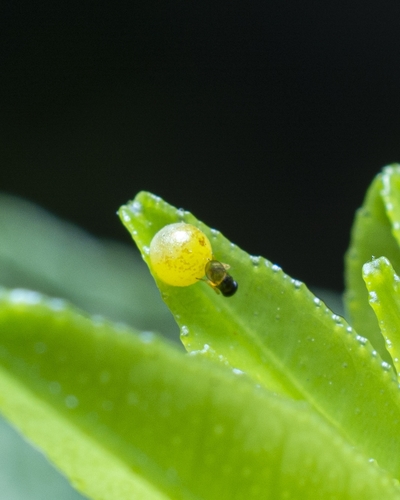
Spherical eggs laid singly on host plant leaves; hatch in about 3-8 days depending on temperature.
Larva (caterpillar)
Several instars: early instars resemble bird droppings; later instars are green with markings and use an osmeterium for defense. Feeding period typically 2-4 weeks.
Pupa (chrysalis)
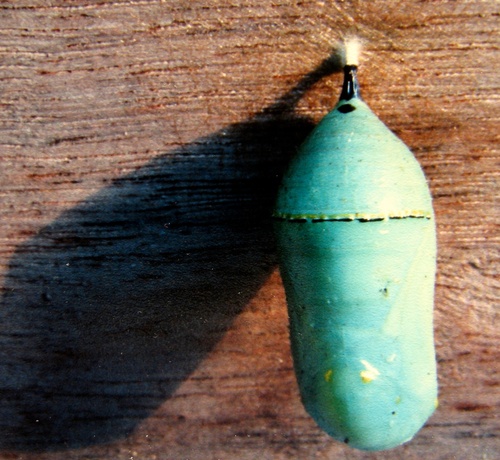
Attached to stems or leaves; cryptic green or brown form that resembles a leaf stem. Pupation lasts about 8-20 days depending on climate.
Adult (butterfly)
Winged nectar-feeding adult; mates, lays eggs and completes multiple generations per year in warm regions.
🍃Diet and predators
Young eat
Leaves of Rutaceae family (citrus and related genera)
Adults eat
Nectar from a variety of flowering plants; males also sip minerals from moist ground (puddling).
Predators of the young
Parasitoid wasps and flies, predatory insects, ants and birds
Predators of adults
Birds, dragonflies and other insectivores; mimicry reduces predation on mimetic female forms
🌱Effect on plants and gardens
Larvae feed on plants in the citrus family (Rutaceae) such as Citrus spp., Zanthoxylum, Glycosmis and Clausena. Heavy localized infestations can defoliate young plants but serious damage is uncommon in established trees.
How to get rid of common Mormons
For garden-scale control: hand-pick caterpillars, remove egg clusters from leaves, encourage natural enemies (parasitic wasps, birds) and use barrier or soap sprays on small plants. Avoid broad-spectrum insecticides if you want to preserve pollinators; if chemical control is necessary, use targeted products following label instructions.
📍Where and when to find it
Adults: visiting nectar flowers, hilltops and garden plants. Eggs and larvae: on leaves of citrus and other Rutaceae. Pupae: attached to stems, leaf midribs or undersides.
Best time
Year-round in tropical areas with peaks during warm, wet months; observe during sunny daytime hours when adults are active.
Observation tips
Look for ovipositing females on new foliage of citrus and related plants; photograph perched adults with the wings open to show distinguishing patterns and tails.
✨Fun facts
- Female Common Mormon shows classical Batesian mimicry; certain female forms mimic distasteful red-bodied species to fool predators.
- Males and some female forms look very similar, but females have several genetically controlled color forms.
- Early-instar caterpillars look like bird droppings — a common camouflage trick among swallowtail larvae.
?Frequently asked questions
Is the Common Mormon dangerous?
No. Adults do not sting or bite and are harmless to people.
Do Common Mormon caterpillars damage citrus trees?
They feed on citrus leaves and can defoliate small or young plants if numerous, but serious long-term damage to established trees is uncommon.
Why are there different-looking females?
Females are polymorphic. Some forms mimic unpalatable red-bodied species (Batesian mimicry), reducing predation risk.
How can I get rid of Common Mormon caterpillars in my garden?
Hand-pick eggs and caterpillars, encourage natural predators and parasitoids, or use targeted, least-toxic controls; avoid broad insecticides to protect pollinators.
Where does the Common Mormon live?
Across South and Southeast Asia in gardens, forest edges and agricultural landscapes; it is common near human habitation where host plants grow.
📷Photos of the common Mormon
More butterflies & moths
This guide was written with AI assistance and fact-checked, last updated 2026-10-10. Identification from photos is never certain: don't handle insects you can't identify, and get medical advice for bites, stings or allergic reactions. More about the common Mormon: iNaturalist, Wikipedia.