
Bullet ant
Paraponera clavata · Ants
A very large Neotropical rainforest ant known for an extremely painful sting likened to a gunshot or electric shock.
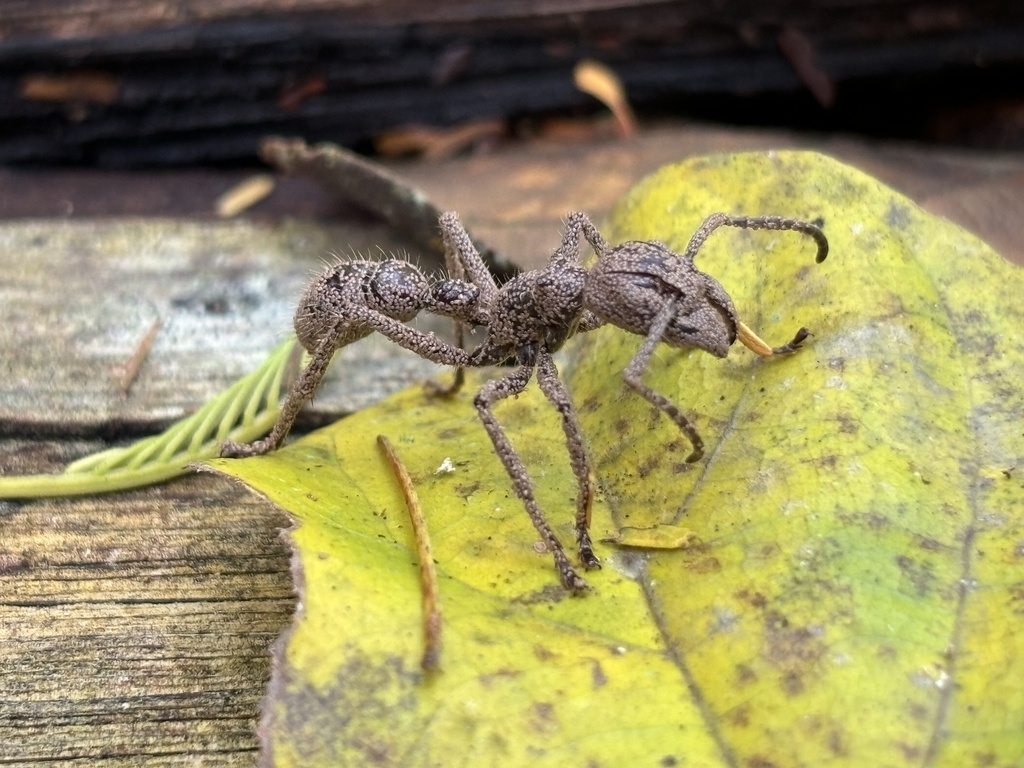
!Is the bullet ant dangerous?
Yes, it can be. The sting of Paraponera clavata is extremely painful and can cause immediate intense burning, throbbing and local swelling. Systemic symptoms such as nausea, sweating, tremor, or temporary paralysis have been reported rarely. Stings are generally not life threatening for healthy adults but can be serious for children, elderly, or allergic individuals. First aid: move away from the ants, clean the wound, apply cold packs to reduce pain and swelling, and seek medical attention for severe systemic signs. If there are signs of anaphylaxis (difficulty breathing, swelling of the face or throat, dizziness), call emergency services and use an epinephrine auto-injector if one has been prescribed.
Pets
Pets may experience intense pain, swelling and distress after a sting. Large animals can be stung multiple times if they disturb a nest. Veterinary care is advised if a pet shows severe symptoms, breathing difficulty, collapse or marked swelling.
📖Overview
Paraponera clavata is a large, conspicuous ant of lowland tropical rainforests from Central to northern South America. Workers are major predators and scavengers on the forest floor and lower vegetation; colonies are relatively small compared with many ant species. They are best known for their exceptionally painful sting, used defensively when nests or foraging workers are disturbed.
These ants nest at the bases of trees, in cavities, or among root masses and are mainly active during the day. Their bright reputation and loud local names have made them famous in indigenous cultures, which sometimes use the ants in rites because of the powerful sting.
🔍How to identify a bullet ant
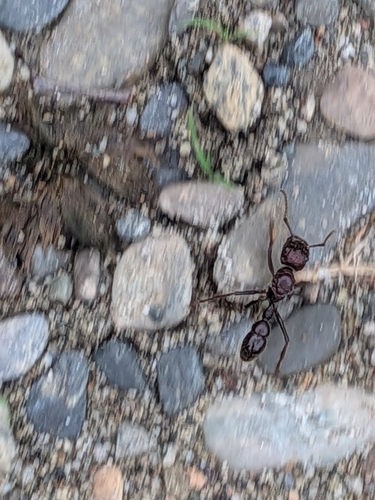
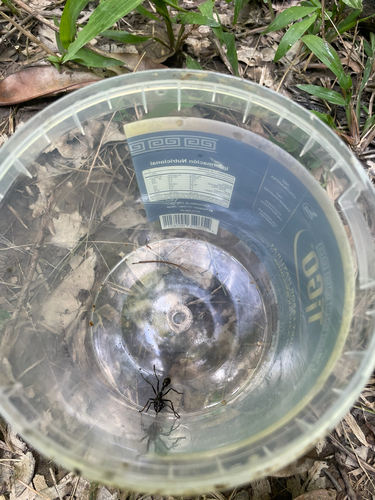
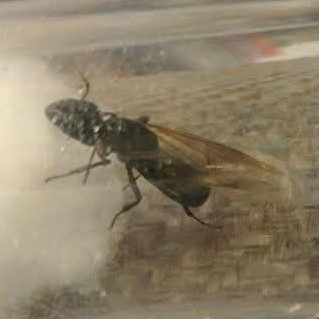
Workers are very large for ants, with a robust, elongated gaster. Body color ranges from reddish-brown to black. They have a single node between thorax and gaster and long, slender legs. The head is large with strong mandibles; antennae are 12-segmented with a distinct club. Males and queens (alates) are winged during reproductive periods and resemble the workers in colour but with wings and larger gasters.
- Very large worker size, 18-30 mm body length
- Reddish-brown to dark brown black body with a single petiole node
- Powerful mandibles and long legs; slow, deliberate ground foraging
- Distinctive extremely painful sting if handled
Lookalikes
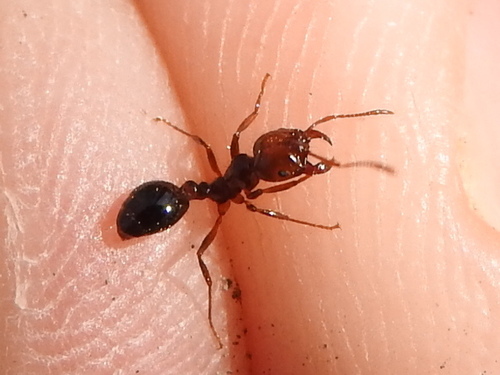
Bullet ant lookalike ants Various large ponerine ants
Other large ponerine ants may be similar in size but differ in petiole shape, coloration and distribution; Paraponera clavata has a characteristic robust body, single petiole node and very large size in its range.
↻Life cycle
Egg
Queens lay small, white eggs which are tended by workers until hatching.
Larva
Larvae are grub-like and fed by workers with protein-rich food; they grow through several instars.
Pupa
Pupae develop inside a naked or loosely wrapped cocoon within the nest before metamorphosing.
Adult
Adults include sterile workers, reproductive queens and males. New queens and males appear during mating flights.
🍃Diet and predators
Young eat
Fed by workers on regurgitated insect prey, other protein sources and trophic eggs
Adults eat
Workers forage for live and dead arthropods, nectar and honeydew
Predators of the young
Predatory insects, spiders, and small vertebrates in the forest; parasites and parasitoids
Predators of adults
Birds, larger predatory ants, arachnids, and insectivorous mammals; adults are well defended by sting
🌱Effect on plants and gardens
Workers forage for arthropod prey and scavenged protein and also feed on nectar and honeydew; they are not major herbivore pests of crops or gardens.
📍Where and when to find it
Search on the forest floor, along tree trunks and low vegetation. Look near tree bases, rotting logs and root masses for nesting sites. Workers forage singly or in small columns.
Best time
Year-round in tropical climates; mainly daylight hours. Early morning and midday are good for observation.
Observation tips
Keep a safe distance and avoid provoking ants. Use a telephoto lens for photos. Do not attempt to handle or prod nests; stings are extremely painful.
✨Fun facts
- The common name 'bullet ant' comes from survivors likening the sting to being shot by a bullet.
- Indigenous Amazonian people use live bullet ants in initiation rituals for the ants' powerful sting and the resulting temporary incapacitation.
- The species is one of the largest ants, with workers often exceeding 20 mm; disturbed workers stridulate, making an audible squeaking sound as a warning.
?Frequently asked questions
Do bullet ants bite?
Yes. They can bite with their mandibles to hold on and then inject venom with a sting. The sting is the primary painful effect.
Are bullet ants dangerous to humans?
Yes, it can be. Their sting is extremely painful and can cause systemic symptoms in some people. Stings are rarely fatal in healthy adults, but medical care is recommended for severe reactions or for vulnerable people, and signs of anaphylaxis need emergency treatment.
Why is a bullet ant in my house?
They are forest ants and are uncommon inside houses. Individuals may enter buildings near forest edges while foraging, especially houses close to rainforest or with lights that attract insects.
How do I get rid of bullet ants?
Avoid disturbing nests. For nests near homes, contact local pest control or wildlife professionals experienced with tropical ants. Do not attempt to handle or spray nests directly without protection; baiting and professional removal reduce risk of multiple stings.
Where do bullet ants live?
In lowland tropical rainforests from Honduras and Nicaragua through much of Central America into northern and central South America, typically nesting at tree bases, in root masses, or in rotten wood.
📷Photos of the bullet ant
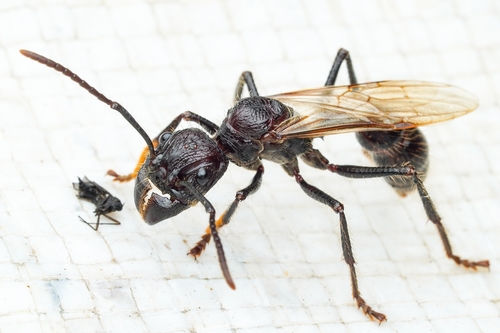
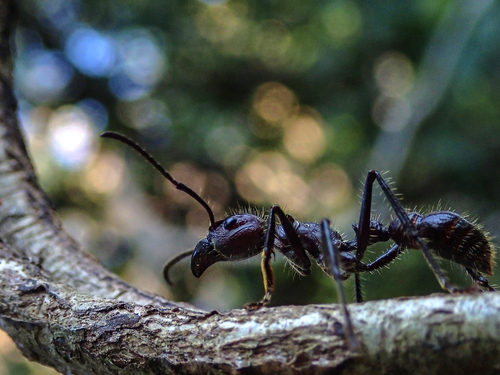
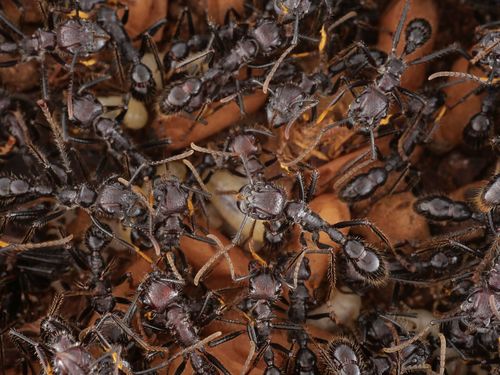
More bees, wasps & ants
Bites and formic acid
Painful sting
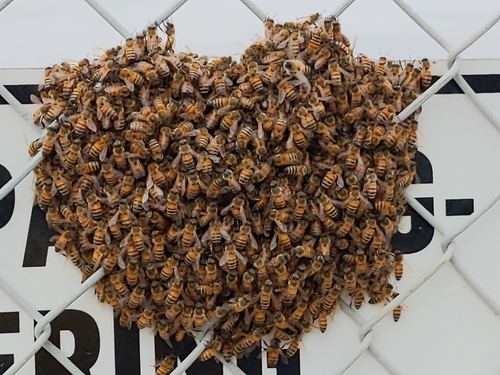
Stinging insect
Can sting
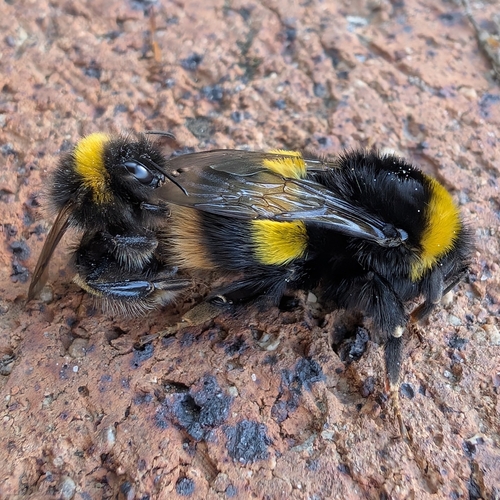
Can sting
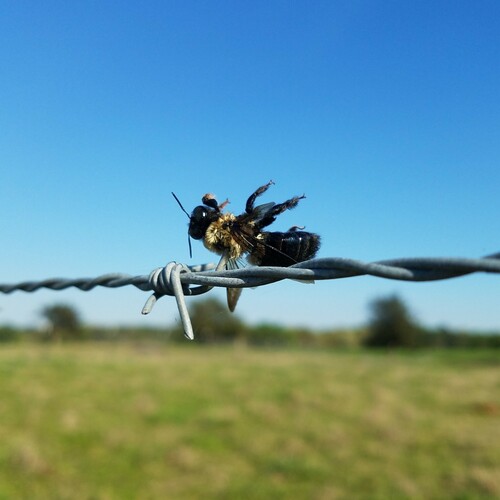
Can sting
This guide was written with AI assistance and fact-checked, last updated 2026-10-10. Identification from photos is never certain: don't handle insects you can't identify, and get medical advice for bites, stings or allergic reactions. More about the bullet ant: iNaturalist, Wikipedia.