
Is this a bark scorpion? How to identify the scorpions you're most likely to find
Most scorpions found in and around US homes are bark scorpions. Two species are common: the Arizona bark scorpion, the most venomous scorpion in North America, and the striped bark scorpion, the most widespread one. They look alike at first, but a few features and where you live tell them apart.
Here's how to identify them, what to do after a sting, and a few animals that are often mistaken for scorpions.
Arizona bark scorpion: the one to take seriously
The Arizona bark scorpion is slender and pale yellow to tan, about 6-9 cm long including the tail, with long, thin pincers and a thin tail. It's usually plain, without the two bold dark stripes of the striped bark scorpion, though some have faint darker banding. It lives in the Sonoran Desert region: Arizona, and parts of New Mexico, Nevada, Utah, California and northwest Mexico.
Unlike most scorpions, it climbs well: it's found on walls and ceilings, in roof spaces, and in bedding, shoes and clothes left on the floor. It often hides upside down under bark, rocks and debris, and it gathers in groups in winter.
Its sting is very painful and can cause numbness, tingling and muscle twitching. Young children, older people and anyone with heart or breathing problems are most at risk of severe reactions.
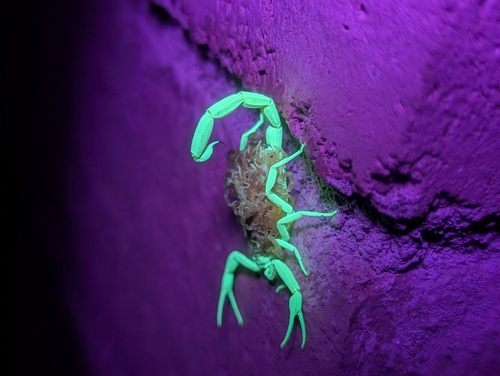
Striped bark scorpion: common, painful, rarely dangerous
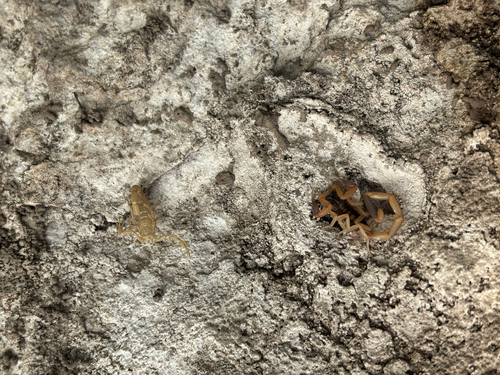
The striped bark scorpion is yellowish-tan with two dark stripes running down its back and a dark triangular mark on the front of the head. It's about 5-7 cm long; males have a noticeably longer, thinner tail than females.
It's the most common scorpion in the US, found from Texas and Oklahoma into Kansas, Missouri, Arkansas, Louisiana, Colorado, New Mexico and northern Mexico. It hides under rocks, bark, boards and debris, and comes indoors through gaps around doors, windows and pipes.
Its sting is painful, like a bad wasp sting, with local swelling and sometimes numbness, but serious reactions are rare.
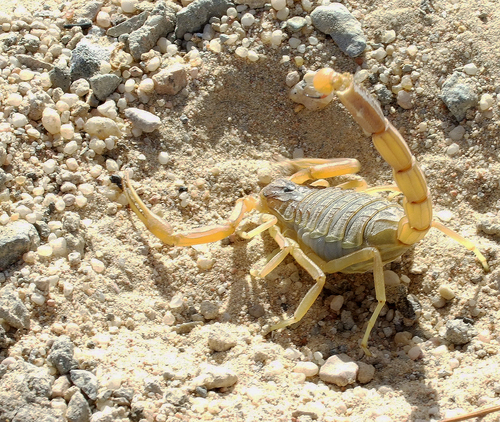
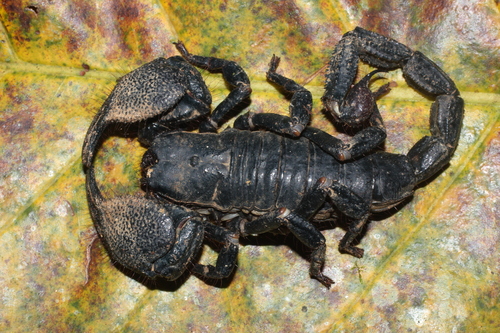
Pet scorpions: deathstalker and emperor scorpion
Two scorpions sold in the pet trade are worth knowing. The deathstalker, from North Africa and the Middle East, is yellow, slender and about 5-7.5 cm long, with thin pincers and a thin tail. Its venom is among the most dangerous of any scorpion, so it should only be kept by experienced keepers.
The emperor scorpion, from West Africa, is huge, 12-20 cm long, glossy black with massive pincers. Despite its size, its sting is mild, comparable to a bee sting for most people.
A rough rule of thumb is that scorpions with thin pincers and thin tails tend to have stronger venom than those with big pincers, but treat every unknown scorpion as potentially dangerous.
Not scorpions: scorpionflies and water scorpions
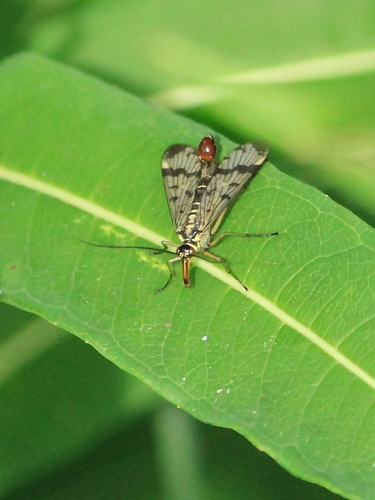
Male scorpionflies have a tail tip curled up over the body like a scorpion's sting, but they're harmless insects with four patterned wings and a long, beak-like face. They can't sting.
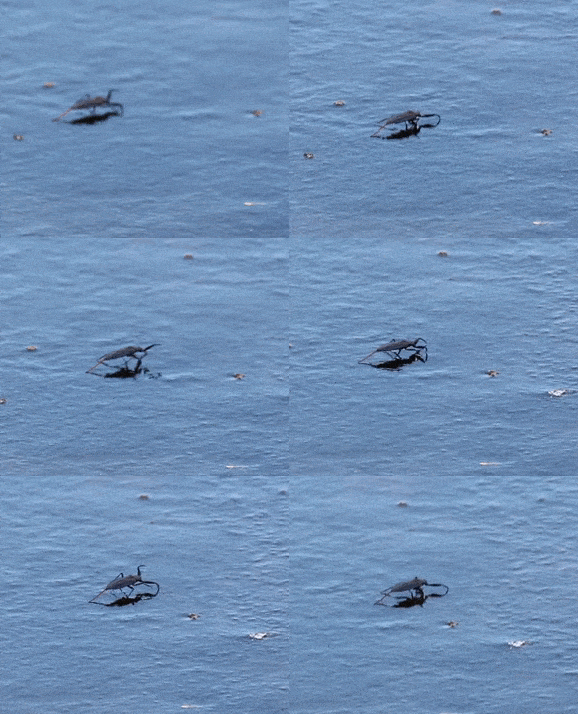
Water scorpions are aquatic bugs that live in ponds and slow streams. The "tail" is a breathing tube, and the front legs are grasping, like a mantis. They don't sting, but they can give a painful bite if handled.
How to find and keep out scorpions
Scorpions glow bright green under ultraviolet light, so a UV torch at night is the easiest way to find them around walls, patios and yards.
Seal gaps around doors, windows, pipes and the base of walls with weatherstripping and caulk, and keep firewood, rocks, boards and clutter away from the house. Shake out shoes, clothes and towels before use, move beds away from walls, and keep bedding off the floor in areas with Arizona bark scorpions. For regular sightings indoors, a pest control professional can help.
What to do after a scorpion sting
Wash the sting with soap and water and put a cold pack on it. In the US, call Poison Control at 1-800-222-1222 for advice, especially for an Arizona bark scorpion sting or a sting on a child.
Get emergency help straight away for trouble breathing or swallowing, drooling, slurred speech, uncontrolled or jerking movements, or unusual eye movements. These are signs of a severe reaction, which is most common in young children; treatment, including antivenom, is available in hospitals in affected areas.
If you can do it safely, take a photo of the scorpion: it helps doctors and Poison Control judge the risk, and you can identify it from the photo.
?Frequently asked questions
How can you tell an Arizona bark scorpion from a striped bark scorpion?
The Arizona bark scorpion is usually plain pale yellow to tan, without bold stripes, and has very thin pincers and tail. The striped bark scorpion has two dark stripes down its back and a dark triangle on the head. Where you live helps too: Arizona bark scorpions live mainly in the Sonoran Desert region.
Is a striped bark scorpion sting dangerous?
It's painful, like a bad wasp sting, with local swelling and sometimes numbness, but serious reactions are rare. Get medical advice if a child is stung or symptoms spread beyond the sting site.
Can a bark scorpion sting kill you?
Deaths are very rare, especially with modern medical care. Severe reactions to Arizona bark scorpion stings happen mostly in young children and can include breathing trouble and uncontrolled movements, so get emergency help quickly for those symptoms.
Why do scorpions glow under UV light?
Compounds in the outer layer of a scorpion's exoskeleton fluoresce bright green under ultraviolet light. It makes a UV torch the easiest way to spot scorpions at night.
Written by the Insect Scanner team, last updated 2026-11-02. Identification from photos is never certain: don't handle insects you can't identify, and get medical advice for bites, stings or allergic reactions.