
Emperor scorpion
Pandinus imperator · Scorpions
One of the largest scorpion species, a nocturnal predator from West Africa, often kept in captivity for its size and glossy black appearance.
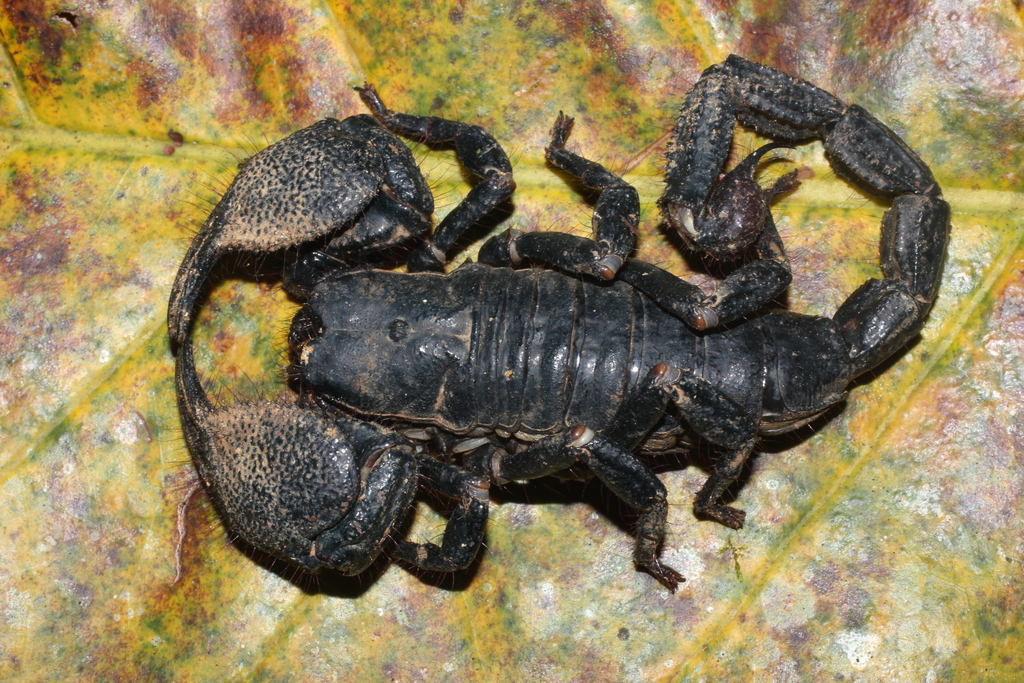
!Is the emperor scorpion dangerous?
Only mildly. The sting of Pandinus imperator is generally considered mild to people: symptoms commonly include localized pain, swelling and redness similar to a bee or wasp sting. Severe systemic reactions are rare but allergic responses are possible. The scorpion's large pincers can deliver a painful pinch. First aid: clean the wound, apply a cold pack for 10-15 minutes to reduce swelling, and seek medical care if severe pain or other symptoms develop. If signs of a severe allergic reaction appear (difficulty breathing, swelling of the face or throat, widespread hives, fainting), call emergency services immediately and use an epinephrine auto-injector if one has been prescribed.
Pets
Medium- to large-sized pets (dogs, cats) may experience pain and localized swelling from a sting and could be at risk of allergic reaction; small pets or very young animals might be more seriously affected. Veterinary care is advised for significant symptoms.
📖Overview
Pandinus imperator is a large, nocturnal scorpion native to rainforests, savanna edges and scrub in West Africa. It is one of the most commonly encountered scorpions in the pet trade because of its impressive size, relatively mild venom and generally calm temperament when captive-bred. Wild populations face pressures from habitat loss and collection for the pet trade in some areas.
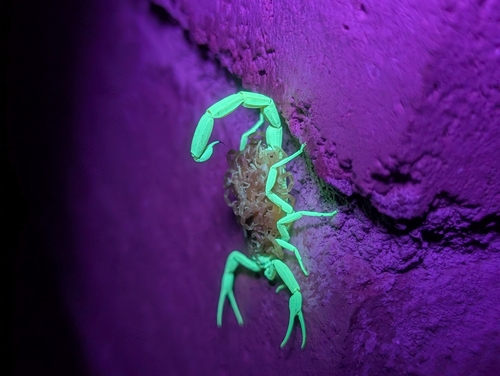
Emperor scorpions are solitary, ground-dwelling predators that hunt insects and other small animals at night. Females are viviparous (giving birth to live young) and carry newborns on their backs until the first molt. They use their large pincers (pedipalps) to capture and crush prey and will use their stinger when threatened or to subdue larger prey.
🔍How to identify an emperor scorpion
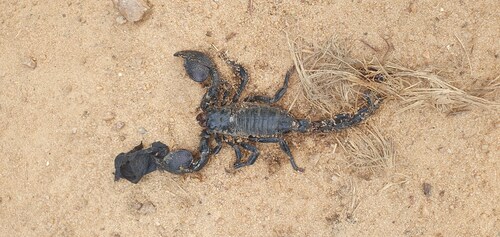
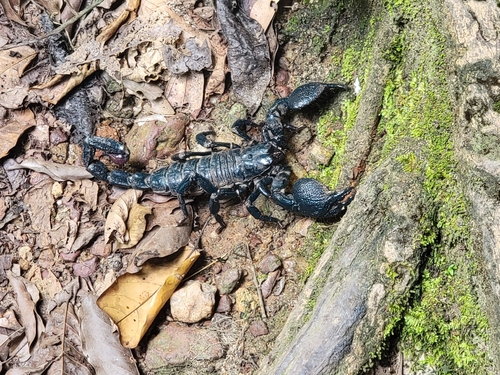
Adults are large and robust with heavy pedipalps (pincers) and a thick metasoma (tail) ending in a stinger. Colour ranges from very dark brown to glossy black; some individuals have reddish-brown or olive highlights on the legs or tail. The body is smooth and shiny compared with many desert scorpions which are more granular. Sexual dimorphism is subtle: males often have a slightly longer metasoma and more slender pedipalps compared with females.
- Very large size for a scorpion: commonly 12-20 cm total length
- Glossy, smooth exoskeleton that appears black to very dark brown
- Thick, powerful pedipalps (pincers) and a relatively robust, not overly slender tail
- Nocturnal, usually found under logs, stones, or in termite mounds in humid habitats
Lookalikes
Forest scorpion Heterometrus spp.
Heterometrus species are similar in appearance but often have more uniformly brown colouration and different geographic ranges; genital and pectinal tooth counts and other taxonomic traits separate them.
Giant forest scorpion Heterometrus spinifer
H. spinifer may resemble P. imperator but tends to have a rougher texture and slightly different pincer proportions; identification to species often requires specialist examination.
↻Life cycle
Embryo (internal development)
Emperor scorpions are viviparous: embryos develop inside the female rather than as external eggs. Females give birth to live young after internal development.
Juvenile (nymph)
Newborns are tiny, pale miniatures of adults and climb onto the mother's back. They remain there until after their first molt, then disperse and continue several more molts as they grow.
Adult
After multiple molts (usually 5-7), scorpions reach sexual maturity. Adults are solitary and may live several years.
🍃Diet and predators
Young eat
Small insects and other tiny arthropods appropriate to their size
Adults eat
Insects, spiders, small vertebrates (occasionally), and other arthropods captured at night
Predators of the young
Birds, small mammals, larger arthropods and amphibians
Predators of adults
Mammals like mongooses, birds, large frogs, some snakes and humans (collection); also larger predatory arthropods
🌱Effect on plants and gardens
Not a plant pest; carnivorous predator of insects and other small arthropods, so it can help reduce pest insect numbers locally.
📍Where and when to find it
Look at night under logs, stones, leaf litter, inside termite mounds and in burrows in humid forests and savanna edges; juveniles ride on the mother's back post-birth.
Best time
Any warm night; nocturnal activity peaks after dusk and during humid conditions. In native range, observable year-round.
Observation tips
Use a UV torch to locate scorpions at night (they fluoresce). Approach slowly, avoid handling wild individuals, and photograph from a safe distance.
✨Fun facts
- Emperor scorpions fluoresce brightly under ultraviolet (UV) light because components in their cuticle absorb UV and re-emit visible light.
- Females carry newborn scorpions on their backs until the young have completed their first molt.
- Despite their fearsome appearance, emperor scorpions have relatively mild venom compared with many desert scorpions; their heavy pincers are often their main weapon.
?Frequently asked questions
Are emperor scorpions dangerous to humans?
Only mildly. Their venom is weak and usually causes localized pain and swelling similar to a bee sting. Allergic reactions are possible; call emergency services if someone has trouble breathing or feels faint after a sting.
Do emperor scorpions sting often?
They prefer to use their large pincers to subdue prey and will usually only sting if provoked, handled roughly, or when defending themselves.
Why is an emperor scorpion in my house?
In native regions they enter homes seeking shelter, humidity and prey (insects). Captive individuals may escape enclosures if lids are loose or damaged.
How do I get rid of an emperor scorpion in the house?
In native range: wear gloves, trap it in a jar and release outside away from the house if safe to do so. For infestations, reduce hiding places, seal entry points and control insect prey. If you keep them as pets, secure enclosures to prevent escapes.
Can I keep an emperor scorpion as a pet?
Yes — they are common in the pet trade and can be kept successfully by experienced hobbyists. They require warm, humid enclosures, hiding places, appropriate substrate, and a steady supply of live prey. Research species-specific care and buy from reputable breeders to reduce pressure on wild populations.
📷Photos of the emperor scorpion
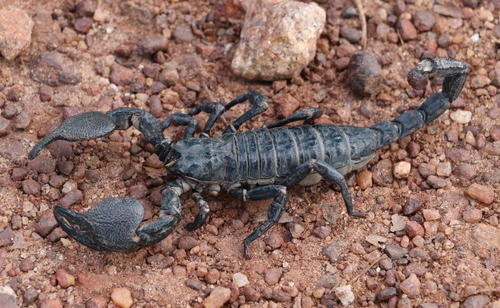
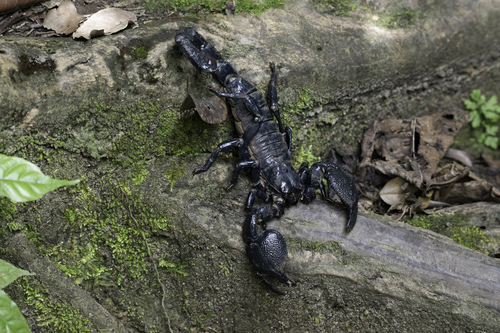
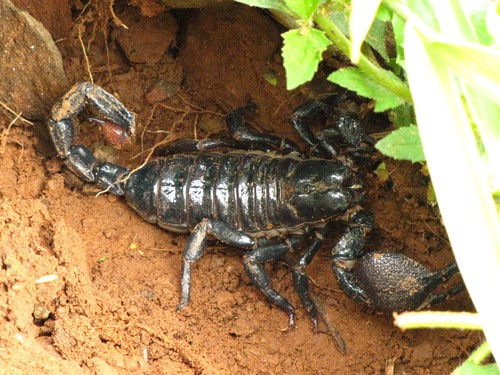
More scorpions & other arachnids
This guide was written with AI assistance and fact-checked, last updated 2026-10-10. Identification from photos is never certain: don't handle insects you can't identify, and get medical advice for bites, stings or allergic reactions. More about the emperor scorpion: iNaturalist, Wikipedia.