
Human botfly
Dermatobia hominis · Botflies
A Neotropical botfly whose larvae develop as furuncular parasites in mammals, including humans, causing painful skin swellings (myiasis).
!Is the human botfly dangerous?
Yes, it can be. Larvae cause furuncular myiasis: painful, swollen lesions with a breathing pore and occasional secondary infection. The condition is not caused by venom but by a living larva in the skin. Do not attempt crushing or digging blindly. Seek medical care for safe removal (techniques include surgical extraction, occlusion to encourage larva exit, or specialist removal). Keep wounds clean and monitor for signs of bacterial infection; seek care if fever or spreading redness occurs.
Pets
Dogs, cattle and other mammals are commonly infested; larvae cause tissue damage and can reduce weight gain or milk yield in livestock. Veterinary removal and wound care are recommended; insecticide-based livestock protection and avoiding exposure to carrier insects help prevent infestation.
📖Overview
Dermatobia hominis is a large oestrid fly native to tropical and subtropical regions of the Americas. Adults are short-lived and do not feed; instead females attach eggs to blood-feeding insects (usually mosquitoes or flies). When the carrier lands on a warm-blooded host, the eggs hatch and the larvae burrow into the skin, developing under the host's skin for several weeks.
Infestations produce single or multiple raised, often painful swellings with a central breathing pore. Larvae feed on host tissue and fluids, then drop to the ground to pupate. Human cases are most common in rural and forest-edge areas where people are exposed to the carrier insects; the species is an important veterinary pest of livestock in its range.
🔍How to identify a human botfly
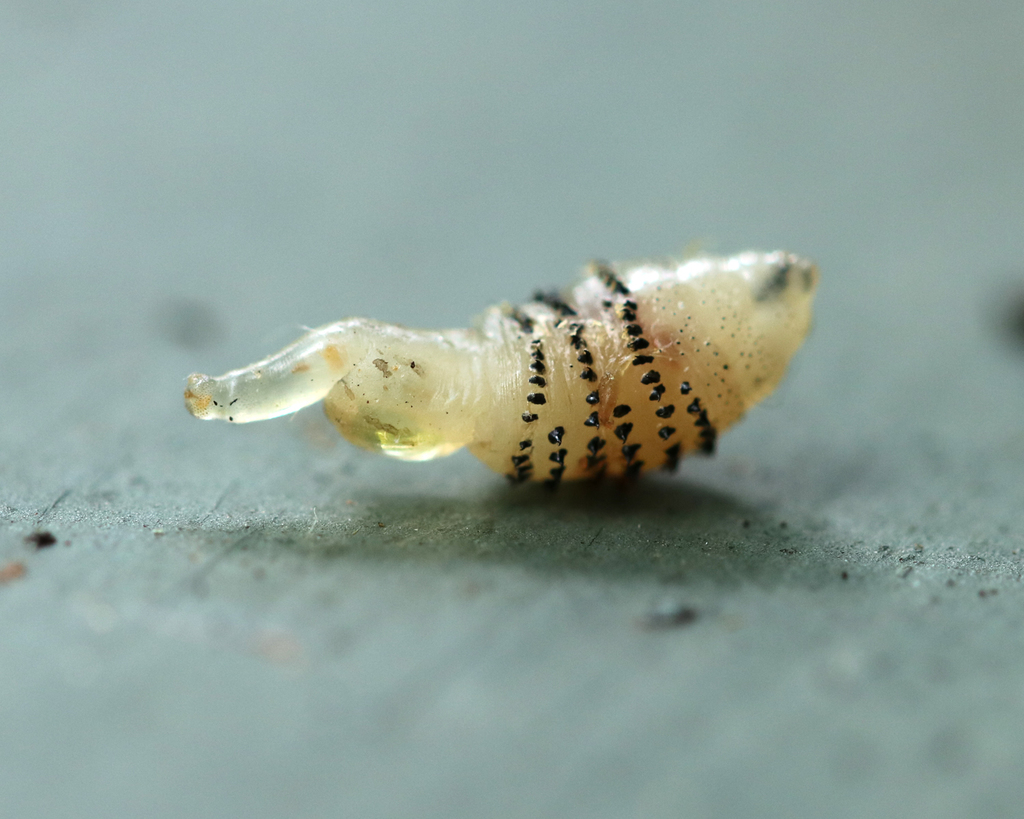
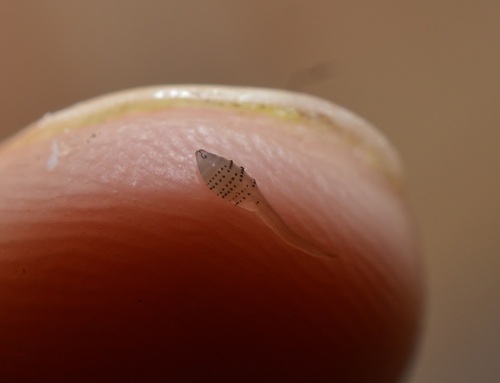
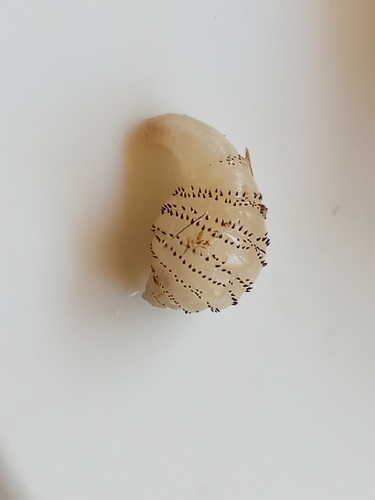
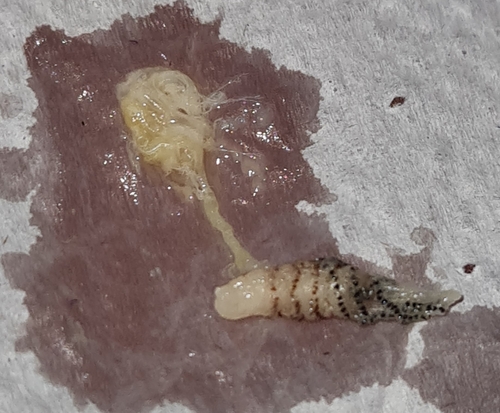
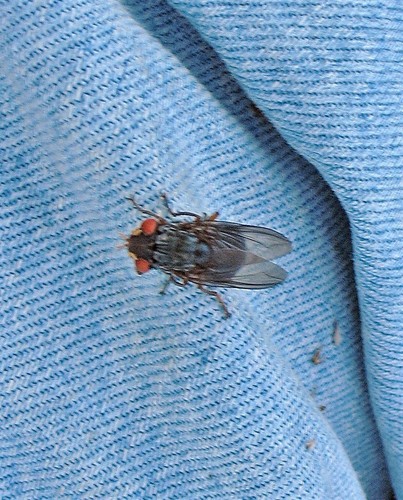
Adult Dermatobia hominis are robust flies about 12-20 mm long with a stout, hairy body resembling other botflies. They have a grayish thorax, a shiny metallic blue abdomen, yellowish-orange legs and face, and short antennae. The larvae (mature third instars) are cream to yellowish, about 15-25 mm long, conical with rows of backward-pointing spines that anchor them in host tissue, and a posterior breathing cone that protrudes at the skin pore.
- Look for a raised, boil-like lesion, often itchy or painful, with a central breathing pore and intermittent movement or a sensation of movement.
- A small, firm round swelling that occasionally discharges serous fluid or blood is typical; larval breathing hole often visible.
- In endemic regions, recent outdoor exposure in forest or pasture makes D. hominis likely when single lesions occur; multiple lesions suggest multiple transfers.
- If a larva is extracted, the conical, spined third-instar (cream to yellow, 15-25 mm) confirms botfly myiasis.
Lookalikes
Tumbu fly Cordylobia anthropophaga
Causes similar furuncular myiasis in Africa; separated geographically. Cordylobia eggs are laid on soil or clothing, not on carrier insects.
Rodent botfly Cuterebra spp.
Cuterebra mainly infests rodents and lagomorphs in North America; human cases are rare. Cuterebra adults and life cycles differ and hosts are usually wild mammals.
↻Life cycle
Egg
Female captures or attaches eggs to a blood-feeding insect (e.g., mosquito or fly). Eggs are transferred to a mammal when the carrier feeds; warmth triggers hatching.
Larva
Larvae burrow into the skin and develop as subcutaneous parasites (furuncular myiasis) for about 5-12 weeks, passing through three instars while feeding on host tissue and fluids.
Pupa
Mature larva exits the host, drops to the ground and pupates in soil or leaf litter for several weeks before emerging as an adult fly.
Adult
Adults are short-lived, mate, and females capture or glue eggs to carrier insects to continue the cycle.
🍃Diet and predators
Young eat
Feed on host tissue fluids and blood while embedded in the skin
Adults eat
Adults do not feed on hosts; they may ingest nectar or not feed much and live briefly to mate and reproduce
Predators of the young
Exposed immature stages fallen from hosts may be eaten by ants or birds; larvae in skin are generally shielded from many predators
Predators of adults
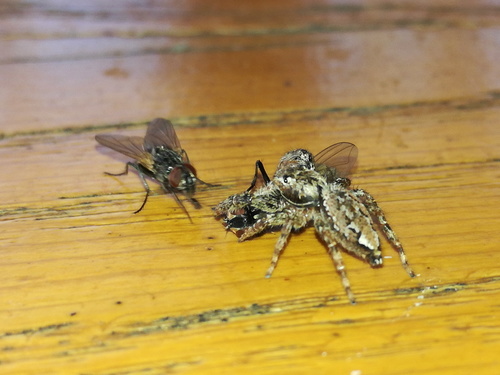
Birds, predatory insects and spiders may capture adult flies
🌱Effect on plants and gardens
Does not feed on or damage plants; impact is on mammal hosts rather than vegetation.
How to get rid of human botflies
Protect people and animals from carrier insects (mosquito nets, repellents, protective clothing). For livestock use recommended insecticides and ear tags or pour-on products as advised by a veterinarian. Inspect animals regularly and have larvae removed by a vet; properly dispose of extracted larvae and treat secondary infections. Eliminating breeding sites for carrier mosquitoes may reduce transmission locally.
📍Where and when to find it
Adults near forest edges, pastures and areas with mosquitoes. Larval lesions are found on exposed skin of humans and mammals, commonly on arms, legs, torso and scalp.
Best time
Year-round in tropical areas, with higher incidence in warm, wet seasons when carrier insects are abundant; observe adults by day.
Observation tips
When photographing suspected lesions, capture clear images of the swelling and any central pore. Do not attempt to photograph deep enough to disturb the larva; if removal is needed contact medical or veterinary professionals.
✨Fun facts
- Females use a 'phoretic' strategy: they attach eggs to other blood-feeding insects which unknowingly deliver the eggs to a mammal host.
- The breathing pore is an adaptation that lets the larva remain under the skin while still getting oxygen.
- Despite the alarming appearance, infestations are usually localized and can be treated safely by health professionals.
?Frequently asked questions
Do human botflies bite?
Adult flies do not bite; they do not feed at all. The medical problem is the larva that lives under the skin and creates a boil-like lesion.
Can a botfly larva kill you?
Death from Dermatobia hominis is extremely rare. The main risks are secondary bacterial infection or complications if untreated; seek medical care for removal and wound management.
How do I get rid of a botfly larva?
Do not try to squeeze or cut at the lesion yourself. See a healthcare provider for proper removal (surgical extraction, or other controlled methods). Some methods used by professionals include occlusion to force the larva out, but medical supervision is recommended.
Why is a botfly larva under my skin?
Female botflies attach eggs to carrier insects; when that insect lands on you, the warm skin causes eggs to hatch and the larvae penetrate the skin and develop there.
Can pets get human botfly larvae?
Yes. Dogs, cattle and other mammals commonly become hosts and need veterinary care to remove larvae and treat wounds.
📷Photos of the human botfly
More flies & mosquitoes
This guide was written with AI assistance and fact-checked, last updated 2026-10-10. Identification from photos is never certain: don't handle insects you can't identify, and get medical advice for bites, stings or allergic reactions. More about the human botfly: iNaturalist, Wikipedia.