
Common darter
Sympetrum striolatum · Dragonflies
A widespread, small to medium dragonfly of ponds and still water; males turn brick-red while females remain yellow-brown.
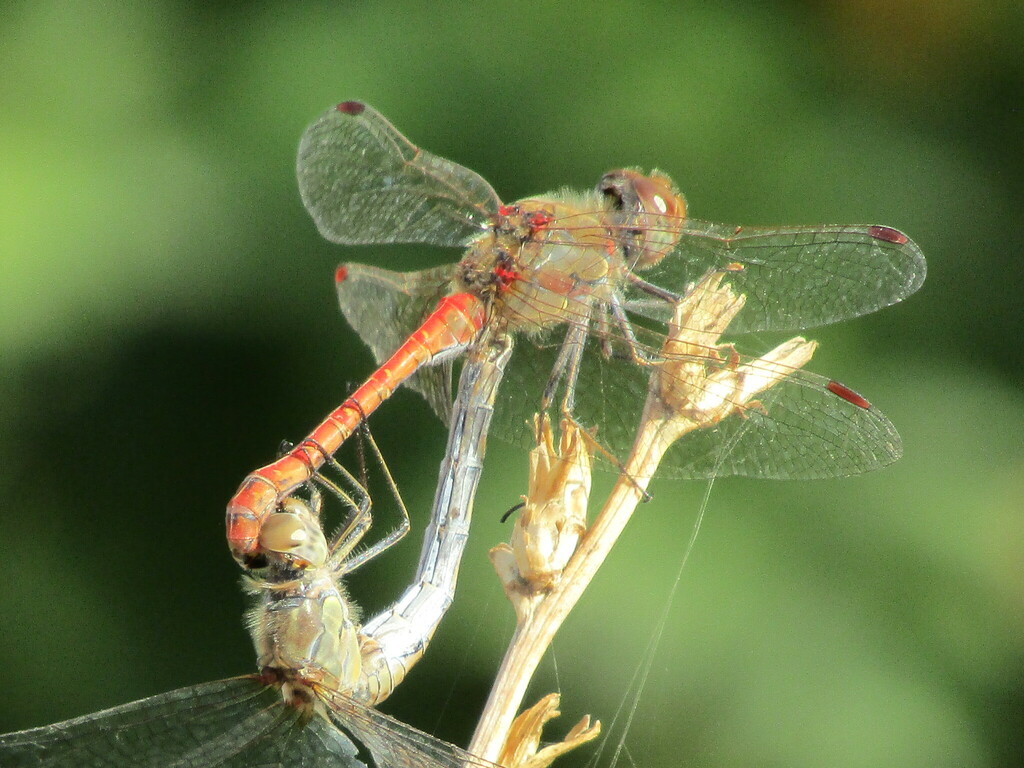
!Is the common darter dangerous?
No. Common darters are not dangerous to people. They do not have venom. They may nip if handled roughly, causing only a tiny, harmless pinch. No special first aid is needed beyond basic cleaning if a minor break of skin occurs.
Pets
Not toxic to pets. A dragonfly could briefly startle a curious dog or cat but is not harmful; pets may eat insects but this rarely causes problems other than mild stomach upset in some cases.
📖Overview
Sympetrum striolatum is a common, widespread dragonfly found around still and slow-moving freshwater such as ponds, lakes, ditches and canals. Males typically develop a brick-red body with darker markings; females and immature males are yellow-brown. Adults are agile aerial predators of small flying insects and are often seen perching on vegetation and taking short flights. Larvae (nymphs) live and hunt in freshwater sediments for one year or more before emerging as adults.
🔍How to identify a common darter
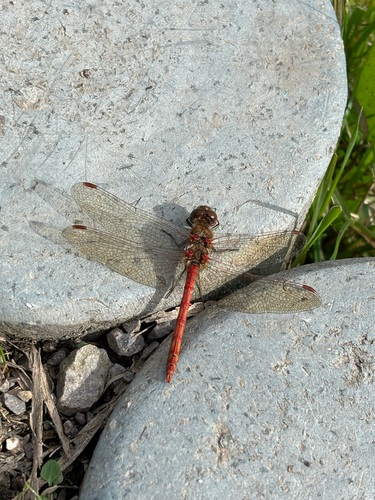
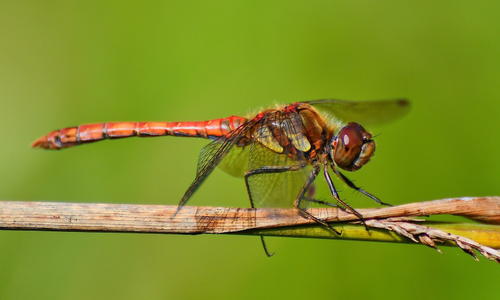
Adult males usually have a brick-red abdomen with a thin dorsal line, and black legs with a yellow stripe; thorax is brownish with some yellow at the sides. Females and immature males are yellow-brown with similar darker dorsal markings. Wings are clear with a short, pale to dark pterostigma near the tip. Eyes meet at the top of the head. Size is small to medium for a dragonfly, with a relatively slim abdomen compared with some larger libellulids.
- Males develop a brick-red abdomen with a thin dark dorsal line; females and immatures are yellow-brown.
- Clear wings with a short pterostigma near the tip; eyes meet at top of head.
- Typically perches on emergent vegetation or bare stems and flies short, hunting sorties from that perch.
Lookalikes
Vagrant darter Sympetrum vulgatum
Vagrant darters are very similar; in S. vulgatum the black line across the top of the face (frons) extends down the sides beside the eyes, whereas in the common darter it does not. Close-up photos of the face or male appendages are needed for confident separation.
Ruddy darter Sympetrum sanguineum
Ruddy darter males are a deeper blood-red with a noticeably club-shaped ('waisted') abdomen and entirely black legs; common darter males are orange-red with a parallel-sided abdomen and black legs with a yellow stripe.
↻Life cycle
Egg
Laid by the female on or just above water, often while she dips her abdomen; eggs hatch into aquatic nymphs.
Nymph (larva)
Aquatic, predatory nymphs live among sediment and vegetation for about 1 year (sometimes longer), moulting several times as they grow.
Adult (imago)
Terrestrial, winged stage; emerges from the exuvia at the water margin and flies to hunt, mate and disperse. Adults live several weeks to a few months.
🍃Diet and predators
Young eat
Aquatic invertebrates: insect larvae, small crustaceans and other tiny aquatic animals.
Adults eat
Small flying insects such as midges, mosquitoes, small flies and other soft-bodied insects, captured in flight.
Predators of the young
Fish, amphibians (frogs, newts), larger aquatic predators and some aquatic insects.
Predators of adults
Birds, spiders, larger dragonflies, bats and occasionally frogs or lizards when perched low.
🌱Effect on plants and gardens
Does not damage plants; as a predator of flies and mosquitoes it is generally beneficial to gardens and wetlands.
📍Where and when to find it
Adults perch on emergent vegetation, bare stems and low branches around ponds and ditches; nymphs live in the shallow margins and sediment of the same waters.
Best time
Best seen from late spring through autumn; warm sunny afternoons are ideal for observing flight and perching behaviour.
Observation tips
Approach slowly and photograph from a low angle to show body colour; early morning or late afternoon light gives good contrast without overexposure. Look for perched individuals near the water's edge.
✨Fun facts
- Common darters often show a change in body colour as they mature: young males and females start yellow-brown and males gradually turn red.
- They are among the latest dragonflies active in autumn and are commonly seen basking on warm days late in the season.
- Adult dragonflies catch nearly all their food on the wing and eat while flying or from a perch.
?Frequently asked questions
Are common darters dangerous?
No. They are harmless to people and do not have venom. They may only give a tiny pinch if handled.
Do common darters bite?
They do not bite in the way biting insects do; a handled dragonfly might nip with its jaws but this does no more than a brief, harmless pinch.
Why is a dragonfly in my house?
Dragonflies sometimes fly indoors attracted by light or while hunting small flies; they may also enter seeking shelter. They usually leave if a window or door is opened.
How can I get rid of a common darter in my home?
Open windows or doors and gently guide the dragonfly toward the exit with a piece of paper or container; avoid grabbing or crushing—release it outdoors near water if possible.
Where do common darters live?
They live by still or slow freshwater bodies such as ponds, lakes, canals and ditches across much of Europe, North Africa and west Asia.
Will common darters help control mosquitoes?
Yes. Both nymphs and adults eat mosquito larvae and adult midges, so they can reduce local populations of biting flies.
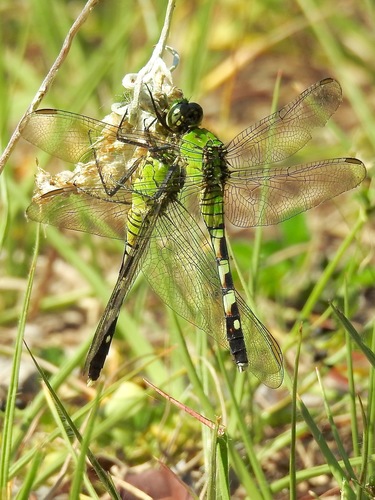
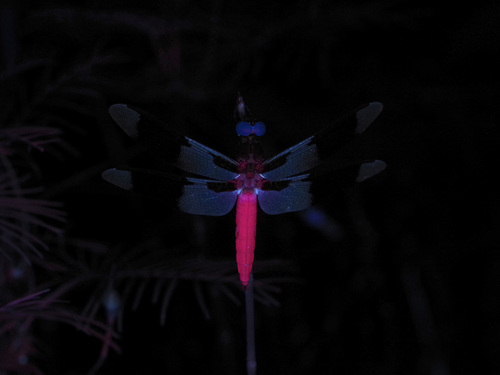
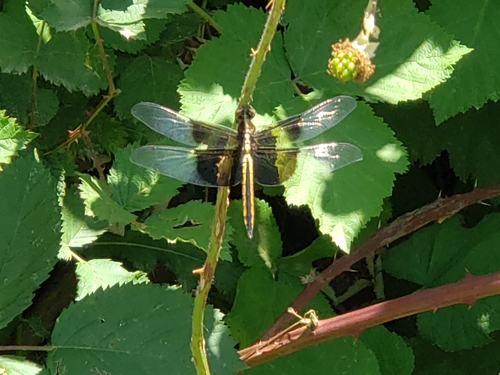
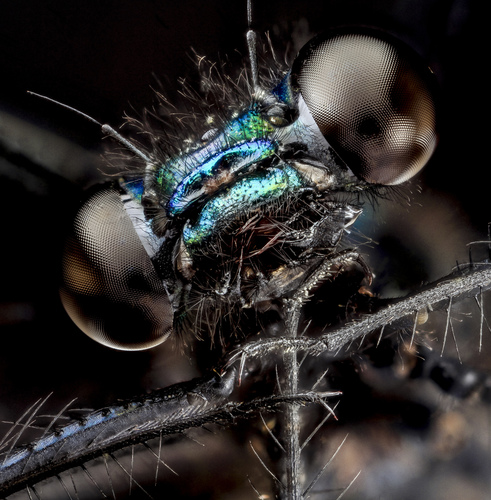
📷Photos of the common darter
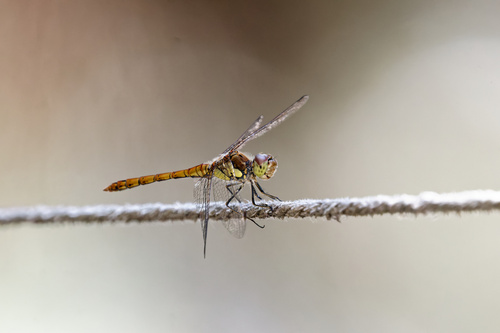
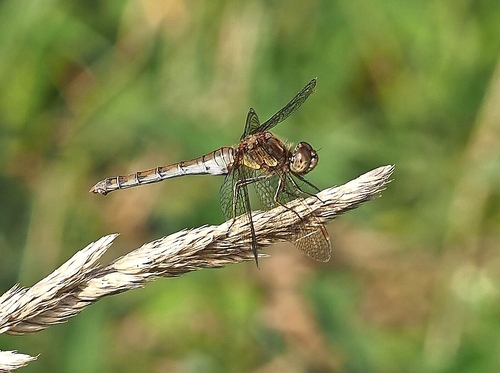
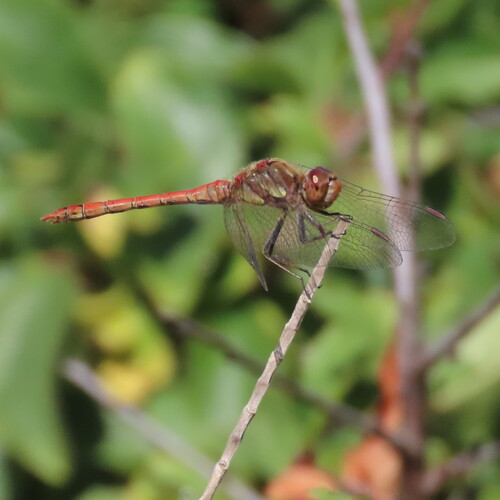
More dragonflies & damselflies
This guide was written with AI assistance and fact-checked, last updated 2026-10-10. Identification from photos is never certain: don't handle insects you can't identify, and get medical advice for bites, stings or allergic reactions. More about the common darter: iNaturalist, Wikipedia.