
Black garden ant
Lasius niger · Formicine ants
Small, common black ant that builds soil nests, forages for sweets and honeydew, and commonly enters homes looking for food.
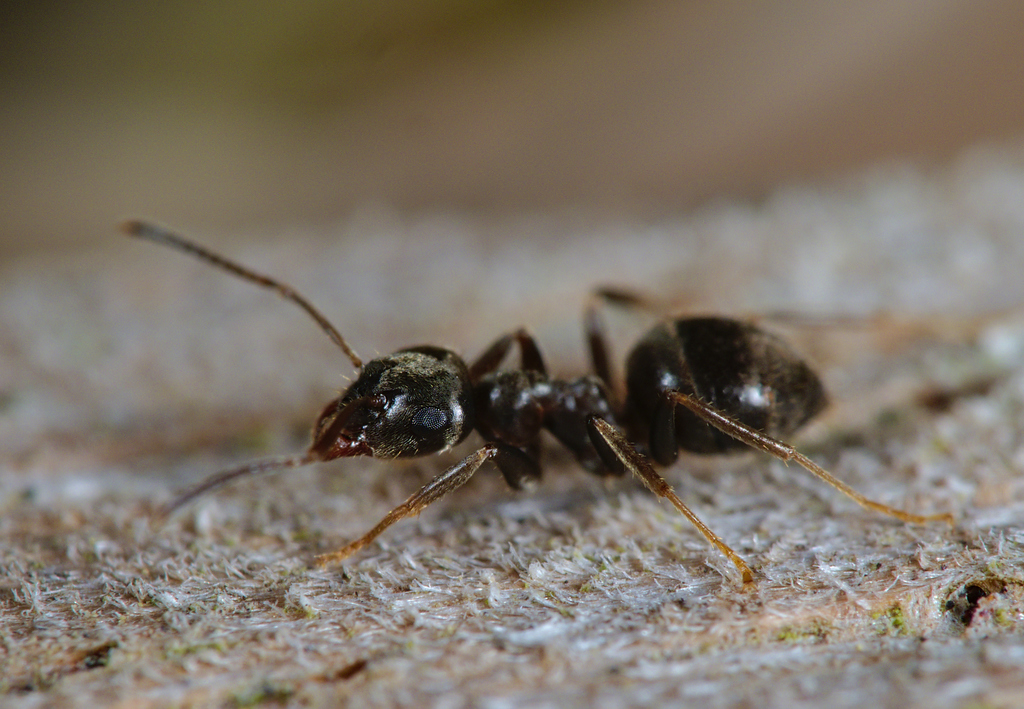
!Is the black garden ant dangerous?
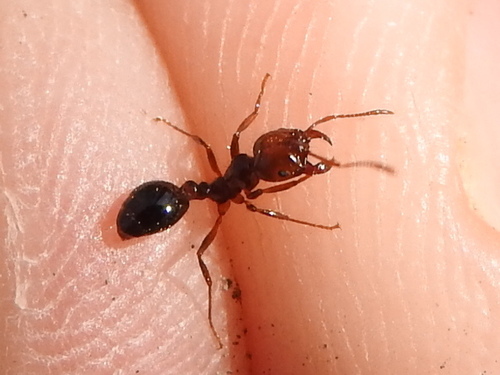
Only mildly. Lasius niger workers do not have a sting but can bite briefly with mandibles and may spray formic acid, which can cause mild skin irritation or a burning sensation. Reactions are usually minor; seek medical advice if a large allergic reaction occurs.
Pets
Generally not dangerous to cats or dogs. Large numbers of ants may irritate pets' mouths if they eat them; small animals could have mild irritation from bites or formic acid but significant harm is unlikely.
📖Overview
Lasius niger is a widespread, small ant species common in gardens, parks and urban areas across Europe, parts of Asia and introduced in other regions. Colonies can range from a few hundred workers in newly founded nests to many thousands in mature colonies; queens establish nests after mating flights in summer. Workers forage for sugary foods and tend aphids for honeydew but will also scavenge proteins.
They nest in soil, under paving, in wall gaps and occasionally inside buildings. Foragers are often seen as single-file trails between nest and food sources. The species is not dangerous to people but can be a nuisance when large numbers enter homes foraging for sweets or when nests undermine paving.
🔍How to identify a black garden ant
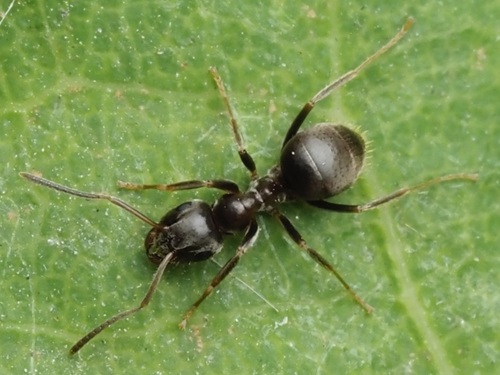
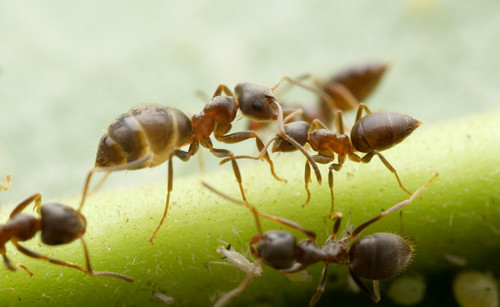
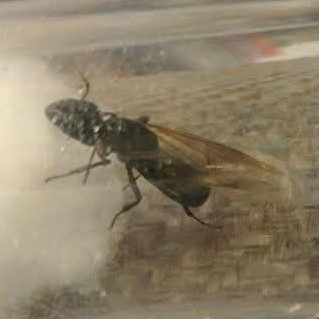
Workers are small (about 2.5-5 mm), uniformly dark brown to black, with a compact, rounded thorax and a single node (petiole) between thorax and gaster. Queens are larger (around 7-9 mm), darker and more robust with wings during the mating season. Antennae are elbowed and workers lack a sting; the species can produce and spray formic acid as a defence.
- Workers 2.5-5 mm, uniformly dark brown to black and compact-bodied.
- Single petiole (node) between thorax and gaster characteristic of Lasius ants.
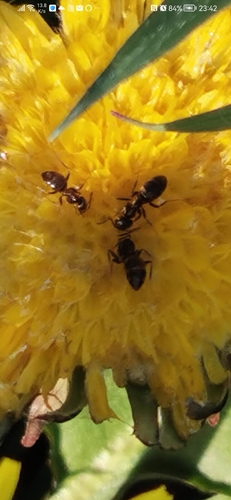
- Foraging trails of workers to and from nests, often seeking sugary substances.
- Queens are noticeably larger (7-9 mm) and may be spotted after mating flights in summer.
Lookalikes
Yellow meadow ant Lasius flavus
Lasius flavus is paler yellow to brown, nests in grassy mounds and rarely forages openly for sugary foods like L. niger.
Formica ants Formica spp.
Formica species are generally larger (6-12 mm workers), often more reddish or patterned, and behave differently; Lasius niger workers are smaller and uniformly dark.
↻Life cycle
Egg
Tiny white eggs laid by the queen; development time depends on temperature and season.
Larva
Legless, grub-like larvae fed and tended by workers; go through several molts while growing.
Pupa
Non-feeding pupal stage in which the larva transforms into an adult; pupae are white to cream-coloured and may be in cocoons.
Adult
Workers, males and queens. New queens and males fly in mating flights in summer; mated queens found new colonies.
🍃Diet and predators
Young eat
Fed by workers on regurgitated sugary liquids and protein-rich prey items or insect haemolymph depending on colony needs.
Adults eat
Workers feed on sugars (nectar, honeydew, household sweets) and protein sources (insects, dead invertebrates) to feed the colony.
Predators of the young
Beetles, parasitic wasps, spiders, birds and other predatory insects.
Predators of adults
Birds, spiders, centipedes, larger predatory ants and some mammals.
🌱Effect on plants and gardens
Lasius niger does not usually eat living plants but tends aphids and other sap-sucking insects, which can increase honeydew production and indirectly benefit those pests. They can also improve soil aeration by nesting.
How to get rid of black garden ants
Practical, humane control: keep food (especially sugary foods) sealed and clean up spills; block entry points; use baiting with sugar-based bait mixed with an insecticide like borax placed along foraging trails to transfer to the nest; pour boiling water into small outside nest entrances for small infestations; reseal cracks and gaps and reduce aphid populations on plants. For large or persistent infestations, consult a pest-control professional to use colony-targeting methods.
📍Where and when to find it
Look for foraging trails on sidewalks, patios, in kitchens near food sources, and nest entrances as small holes in lawns, soil or under paving.
Best time
Warm months (spring to early autumn); daytime when temperatures are warm and after rain. Mating flights typically occur on warm still days in summer.
Observation tips
Follow a foraging worker back to locate the nest entrance; photograph at ground level showing worker size and single petiole for identification.
✨Fun facts
- Lasius niger workers farm aphids for honeydew and will protect aphid colonies from predators.
- New queens commonly found after warm summer mating flights; a single queen can start a new colony alone.
- Colonies can survive many years and queens may live for over a decade.
?Frequently asked questions
Do black garden ants bite or sting?
Workers can bite with mandibles and may spray formic acid, causing minor irritation, but they do not have a true sting. Reactions are usually mild.
Why are black garden ants in my house?
They are foraging for food, especially sugary items. Crumbs, open food and pet food attract them; nests are usually outside, but they will enter buildings to reach food.
How can I get rid of black garden ants?
Clean food sources, seal entry points, and use sugar-based baits with a slow-acting toxicant (e.g. borax) placed on trails so workers carry it back to the nest. For large infestations, use professional colony-targeted control.
Are black garden ants harmful to my garden?
They are not major plant-eaters but can indirectly protect aphids, which can harm plants. They also help soil aeration and decomposition.
Where do Lasius niger nest?
Mostly in soil: under paving slabs, in lawns, under stones, in wall cavities and sometimes under garden debris or compost.
📷Photos of the black garden ant
More bees, wasps & ants
Bites and formic acid
Painful sting
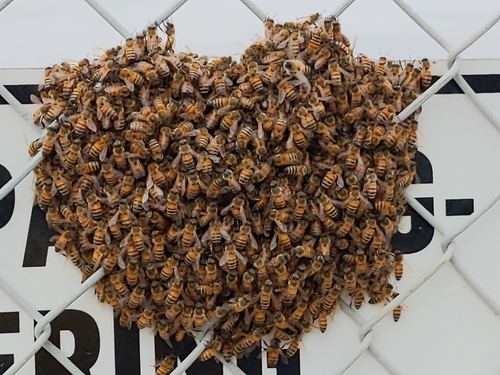
Stinging insect
Can sting
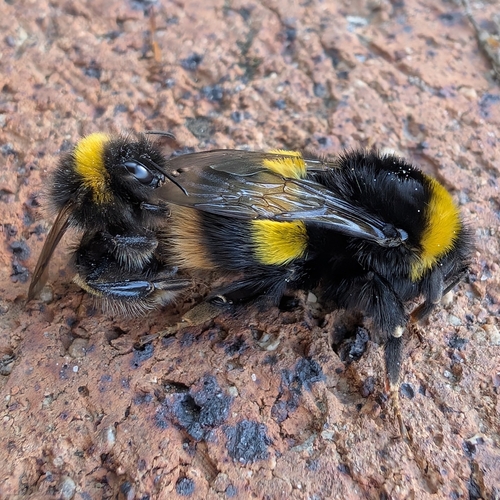
Can sting
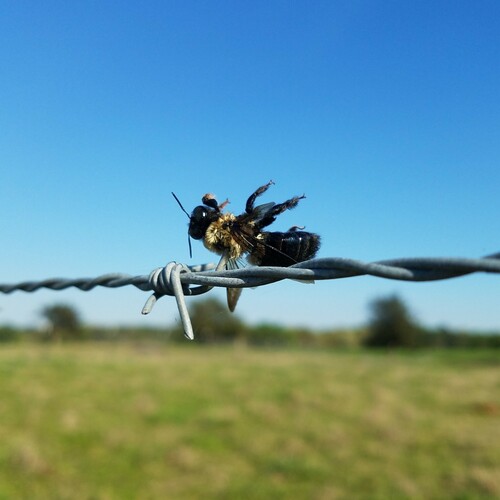
Can sting
This guide was written with AI assistance and fact-checked, last updated 2026-10-10. Identification from photos is never certain: don't handle insects you can't identify, and get medical advice for bites, stings or allergic reactions. More about the black garden ant: iNaturalist, Wikipedia.