
Yellow fever mosquito vs Common house mosquito
These two are easy to mix up. Here's how to tell a yellow fever mosquito from a common house mosquito, and whether either one bites or stings.
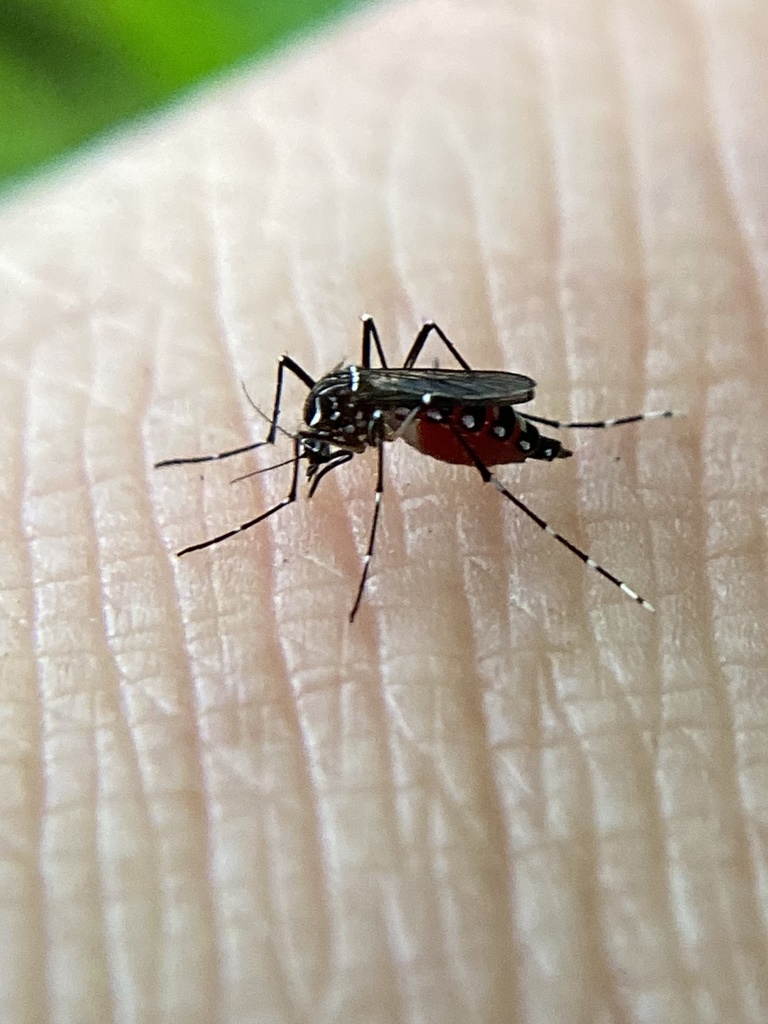
Yellow fever mosquito
Aedes aegypti
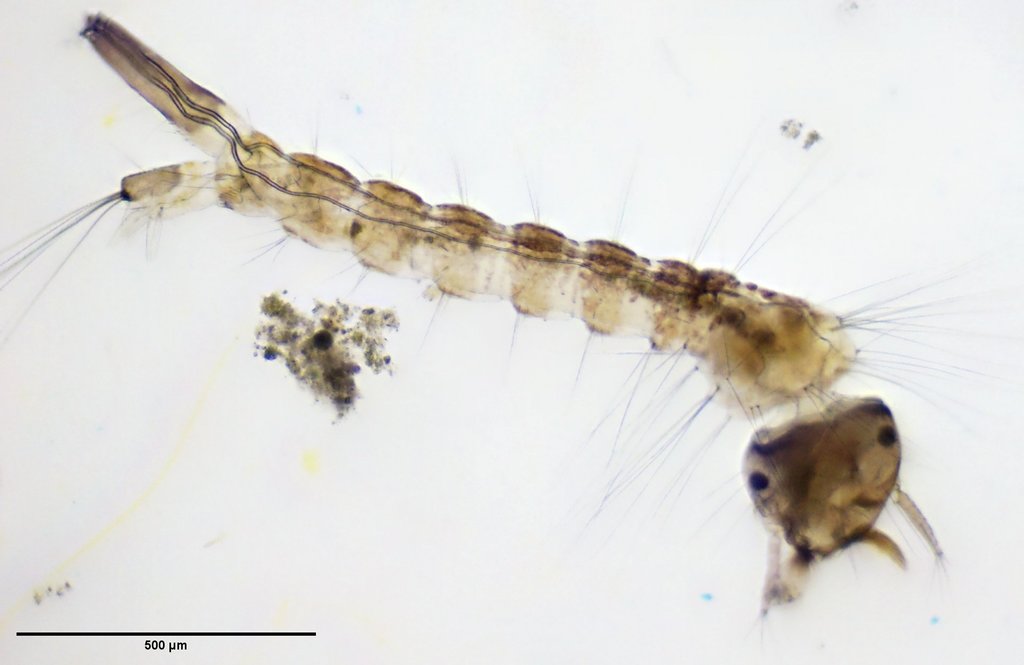
Common house mosquito
Culex pipiens
≠The key differences
Culex species are usually active at dusk and night, have brownish duller markings without the distinctive white lyre pattern, and prefer larger or more polluted water bodies.
Aedes aegypti has distinctive black-and-white markings on the body and legs and bites mainly during daytime; Culex pipiens is brownish and active at night.
⚖︎Side by side
| Yellow fever mosquito | Common house mosquito | |
|---|---|---|
| To humans | Disease vector | Disease vector |
| Size | 4-7 mm body length | 4-7 mm body length |
| Colours | Black, White, Dark brown | Brown, Tan, Gray |
| Family | Culicidae | Culicidae |
| Habitat | Urban and peri-urban areas near human habitation; breeds in small, often artificial, containers of standing water (pots, tires, buckets, gutters, flower vases, water storage). | Urban and suburban areas; breeds in stagnant or polluted standing water (gutters, storm drains, containers, septic effluent, ditches). Adults rest in dark sheltered areas like garages, basements and vegetation. |
| Range | Native to Africa; now established throughout tropical and subtropical regions worldwide and present in some warm temperate areas where conditions allow. | Cosmopolitan in temperate regions; present across North America, Europe, parts of Asia, Africa and elsewhere where suitable breeding sites and hosts exist. |
| Active | Day-active, especially early morning and late afternoon; most active in warm months year-round in tropical regions. | Mainly evening, night and dawn; active season depends on climate (spring to autumn in temperate zones). |
| Pest? | Yes | Yes |
🔍How to spot a yellow fever mosquito
- Small mosquito 4-7 mm with a black body and distinct white scale markings on the thorax forming a lyre-shaped pattern
- Legs show white banding on dark segments (banded legs)
- Daytime activity: often found resting indoors on walls or in shaded areas near people
- Eggs or larvae found in small, clean water containers close to buildings
🔍How to spot a common house mosquito
- Medium-small mosquito, overall brown to gray, lacking the bold black-and-white banding of Aedes species.
- Males have feathery antennae; females have sparse antennae and a long proboscis for biting.
- Often found resting in sheltered, shaded spots during the day and active at dusk and night.
?Frequently asked questions
What is the difference between a yellow fever mosquito and a common house mosquito?
Culex species are usually active at dusk and night, have brownish duller markings without the distinctive white lyre pattern, and prefer larger or more polluted water bodies. Aedes aegypti has distinctive black-and-white markings on the body and legs and bites mainly during daytime; Culex pipiens is brownish and active at night.
Is a yellow fever mosquito or a common house mosquito more dangerous?
Yellow fever mosquito: Disease vector. Common house mosquito: Disease vector. Females bite and can transmit viruses such as yellow fever, dengue, Zika and chikungunya. Female Culex pipiens bite humans and birds to obtain blood.
Identification from photos is never certain: don't handle insects you can't identify, and get medical advice for bites, stings or allergic reactions.