
Leafhopper assassin bug vs Milkweed assassin bug
These two are easy to mix up. Here's how to tell a leafhopper assassin bug from a milkweed assassin bug, and whether either one bites or stings.
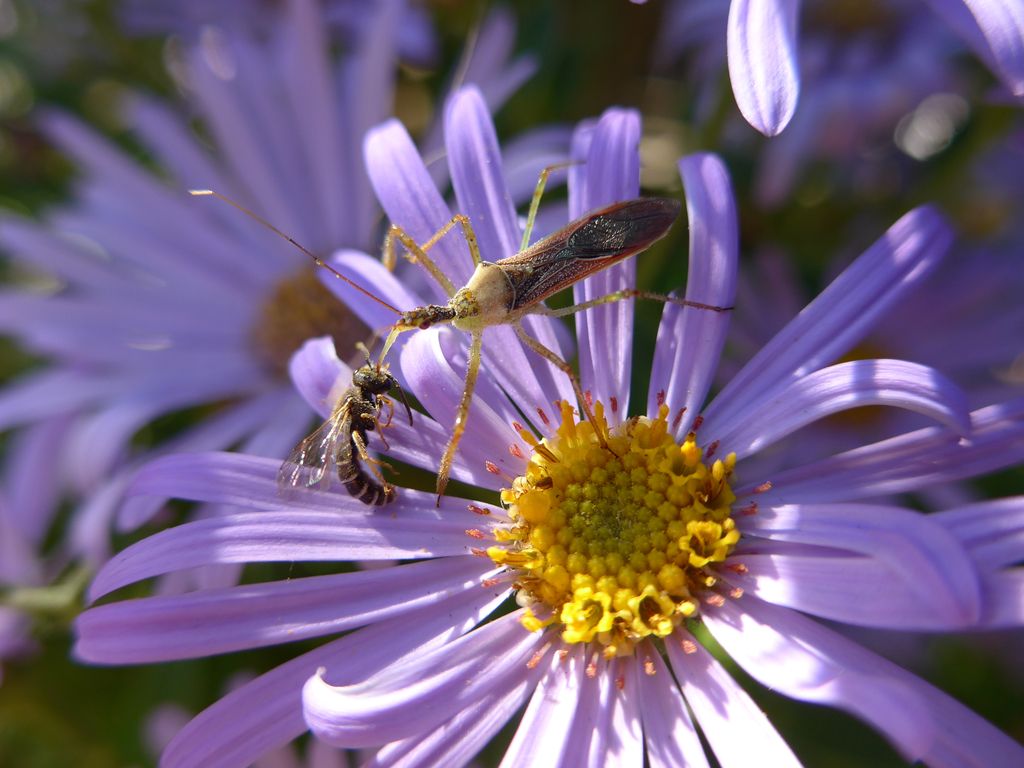
Leafhopper assassin bug
Zelus renardii
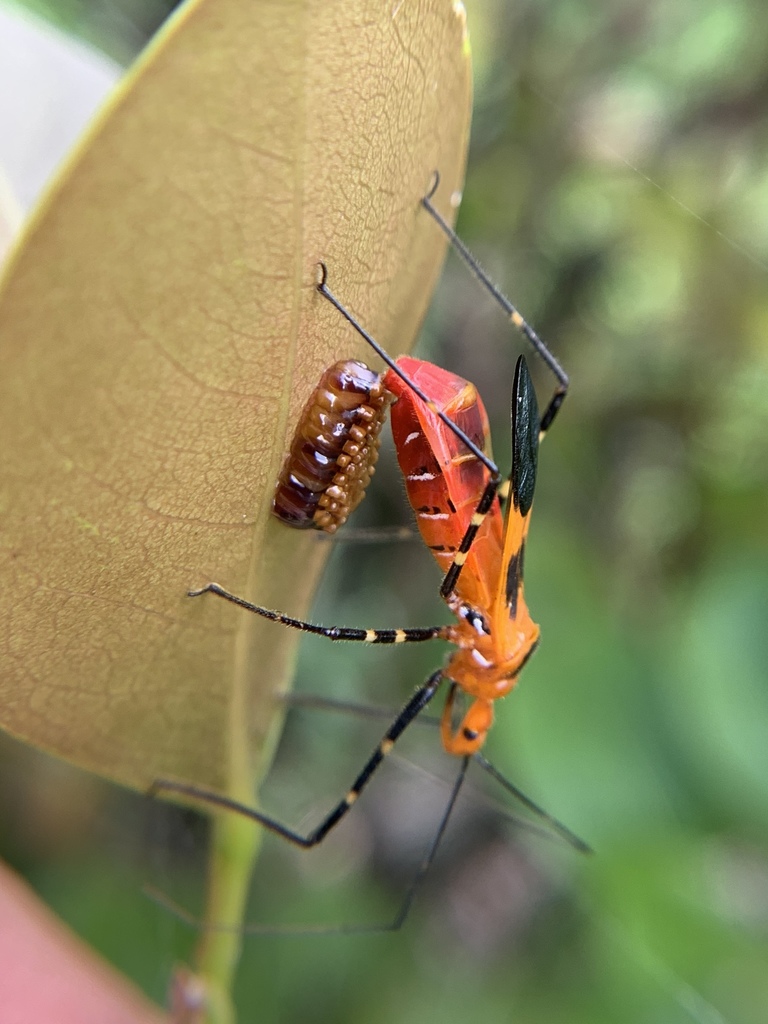
Milkweed assassin bug
Zelus longipes
≠The key differences
Zelus longipes is usually more boldly marked with red/orange and black, and occurs mainly in the southeastern US; Z. renardii is plainer green to brown and mainly western.
Zelus renardii is similar but tends to have different leg and body coloration and a slightly different geographic range; microscopic and genital characters are used for certain identification.
⚖︎Side by side
| Leafhopper assassin bug | Milkweed assassin bug | |
|---|---|---|
| To humans | Painful bite | Painful bite |
| Size | 12-15 mm body length | 12-22 mm body length |
| Colours | Green, Brown, Reddish orange | Orange, Reddish-brown, Dark brown, Black |
| Family | Reduviidae | Reduviidae |
| Habitat | Vegetation: shrubs, ornamental plants, crop foliage, gardens and field edges where prey insects occur | Open, sunny places with herbaceous plants and shrubs: milkweed patches, gardens, field margins, roadsides and crop edges |
| Range | Native to western and southwestern United States, Mexico and Central America; introduced to Hawaii, parts of southern Europe (Mediterranean) and other regions | Native to the Americas: widespread from the southern United States through Central America into South America. Common in southeastern United States and tropical/subtropical regions. |
| Active | Daytime active; most common spring through autumn in temperate areas, year-round where warm | Warm months (spring to autumn in temperate zones); diurnal and active during daylight |
| Pest? | No | No |
🔍How to spot a leafhopper assassin bug
- Slender, elongated body with long legs and a distinct curved rostrum folded under the head
- Adults 12-15 mm long, coloration pale green, brown or reddish depending on specimen and age
- Nymphs are wingless and similar in shape but smaller; often found on the same plants as leafhopper prey
- Behaviour: often sits motionless on foliage waiting to ambush small, quick jumping insects like leafhoppers
🔍How to spot a milkweed assassin bug
- Long, slender body 12-22 mm with very long legs, especially the hind legs
- Raptorial forelegs often appear slightly thicker and may show sticky residue used for catching prey
- Orange to reddish-brown coloration with possible darker markings on the abdomen or wings
- Elongated head and a short, three-segmented rostrum (beak) typical of assassin bugs
?Frequently asked questions
What is the difference between a leafhopper assassin bug and a milkweed assassin bug?
Zelus longipes is usually more boldly marked with red/orange and black, and occurs mainly in the southeastern US; Z. renardii is plainer green to brown and mainly western. Zelus renardii is similar but tends to have different leg and body coloration and a slightly different geographic range; microscopic and genital characters are used for certain identification.
Is a leafhopper assassin bug or a milkweed assassin bug more dangerous?
Leafhopper assassin bug: Painful bite. Milkweed assassin bug: Painful bite. Zelus renardii is not aggressive toward people but will bite if handled or trapped against skin. Will bite if mishandled; bite can be painful and may cause localized swelling, redness and itching.
Identification from photos is never certain: don't handle insects you can't identify, and get medical advice for bites, stings or allergic reactions.