
Diamondback moth vs Cabbage looper
These two are easy to mix up. Here's how to tell a diamondback moth from a cabbage looper, and whether either one bites or stings.
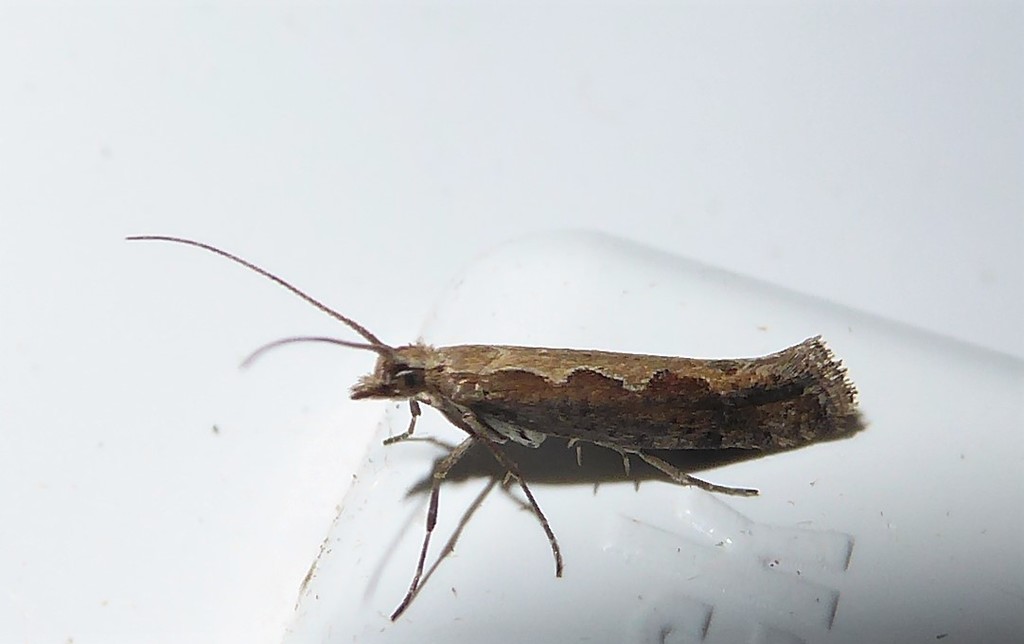
Diamondback moth
Plutella xylostella
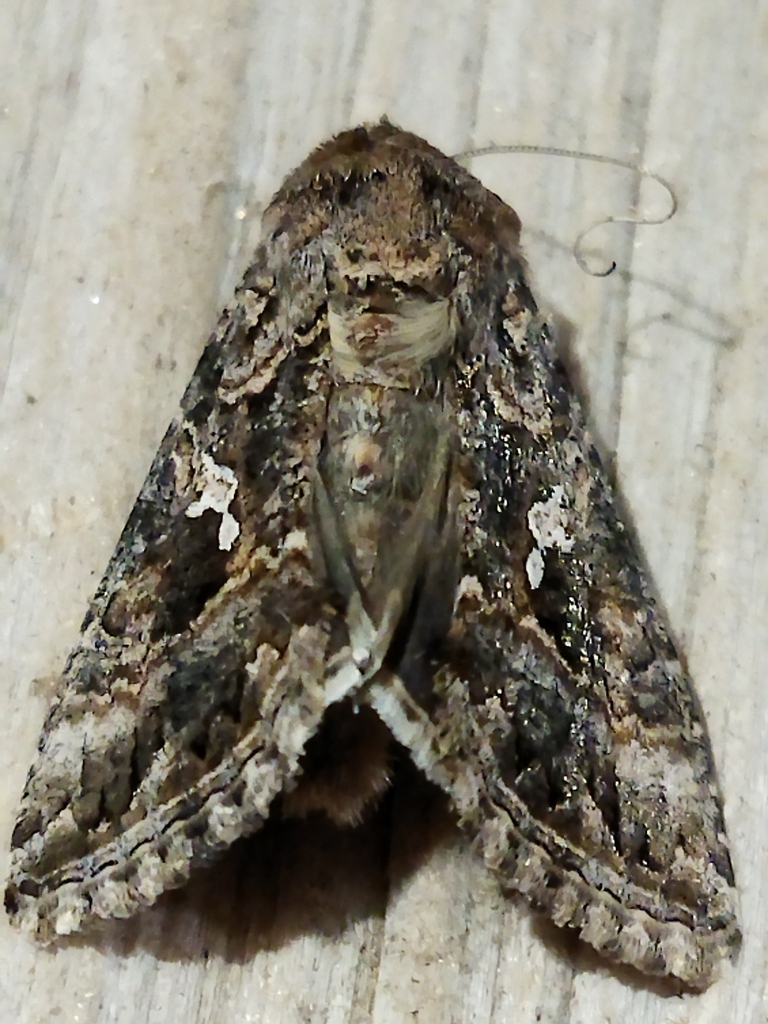
Cabbage looper
Trichoplusia ni
≠The key differences
Looper caterpillars move by looping and are white-striped; adults are larger with distinctive wing markings unlike the small diamondback moth.
⚖︎Side by side
| Diamondback moth | Cabbage looper | |
|---|---|---|
| To humans | Non-toxic | Non-toxic |
| Size | 12-15 mm wingspan | 30-38 mm wingspan |
| Colours | Pale brown, Grey, Green (larva), Pale cream | Brown, Pale silver, Green (larva), Cream (underside/larval stripe) |
| Family | Plutellidae | Noctuidae |
| Habitat | Fields, vegetable gardens and allotments where brassica crops (cabbage, broccoli, kale, cauliflower, canola/rapeseed) are grown; survives on wild brassicas and related weeds. | Agricultural fields, vegetable gardens, weedy margins, greenhouse interiors |
| Range | Worldwide — native range is debated but now present on all continents where brassicas are grown. | Widespread across much of the world, including North America, Europe, Africa and Asia, in temperate and subtropical regions |
| Active | Multiple generations year-round in warm areas; spring to autumn in temperate regions. Adults mostly active at night and dusk. | Multiple generations per year; active spring through fall in temperate zones and year-round in warm regions; nocturnal adults, larvae feed day and night but often hide on undersides of leaves |
| Pest? | Yes | Yes |
🔍How to spot a diamondback moth
- Small moth with 12-15 mm wingspan; forewings folded roof-like and showing pale longitudinal streaks that can form diamond-shaped markings.
- Larvae are smooth bright green caterpillars about 8-12 mm long, usually on undersides of brassica leaves.
- Feeding damage: small holes, windowing (translucent patches) and skeletonized leaves on cabbage-family plants.
- Pupae in loose silk cocoons attached to leaves or stems, often visible on infested plants.
🔍How to spot a cabbage looper
- Larvae move with a characteristic looping 'inchworm' gait due to fewer mid-body prolegs.
- Mature caterpillars are smooth, usually bright green with a thin pale dorsal stripe and reach about 25-38 mm.
- Adult moths have a mottled brown forewing with a distinct pale silvery Y- or omega-shaped mark.
- Compare leaf damage: large irregular holes and ragged edges on brassica leaves are typical of looper feeding.
?Frequently asked questions
What is the difference between a diamondback moth and a cabbage looper?
Looper caterpillars move by looping and are white-striped; adults are larger with distinctive wing markings unlike the small diamondback moth.
Is a diamondback moth or a cabbage looper more dangerous?
Diamondback moth: Non-toxic. Cabbage looper: Non-toxic. Diamondback moths are harmless to people — they do not bite or sting and are not poisonous. Cabbage loopers are not dangerous to people.
Identification from photos is never certain: don't handle insects you can't identify, and get medical advice for bites, stings or allergic reactions.