
Common picture-winged fly
Delphinia picta · Picture-winged flies
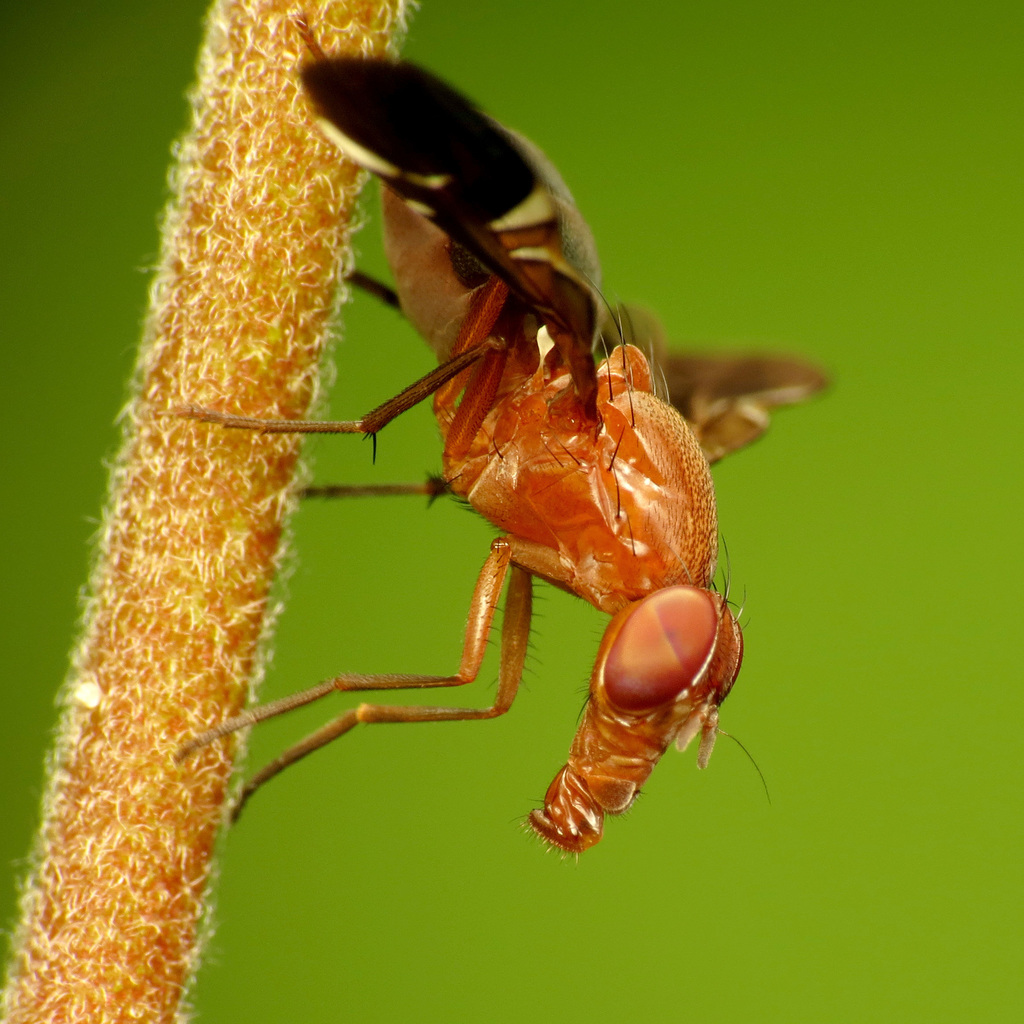
A small, harmless fly with distinctive dark markings on its wings, common around decaying plant material and flowers in North America.
!Is the common picture-winged fly dangerous?
No. Not venomous and not known to bite people. They may be a nuisance if present in large numbers but do not pose a health risk. No first aid is needed.
Pets
Harmless to pets. Not known to transmit diseases to cats or dogs.
📖Overview
Delphinia picta is a small fly in the picture-winged fly family (Ulidiidae). Adults are often seen on flowers, foliage and near decomposing plant material where females lay eggs. Larvae develop in decaying vegetation and similar substrates and are not agricultural pests of living crops. The species is widespread and commonly encountered in gardens, meadows and at woodland edges across much of North America.
🔍How to identify a common picture-winged fly
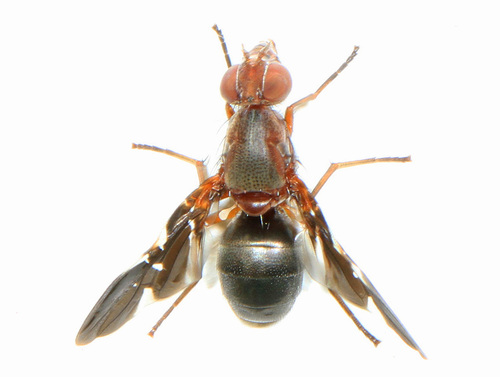
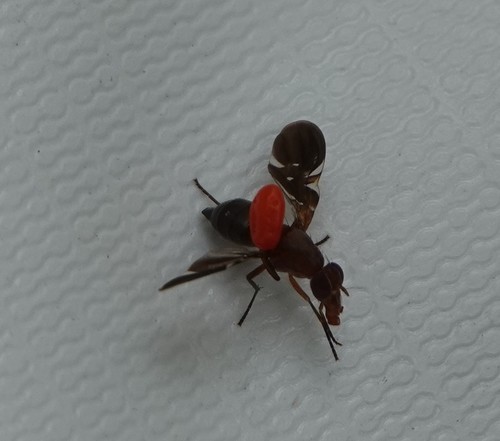
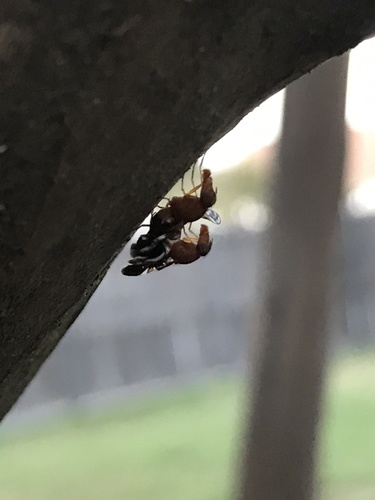
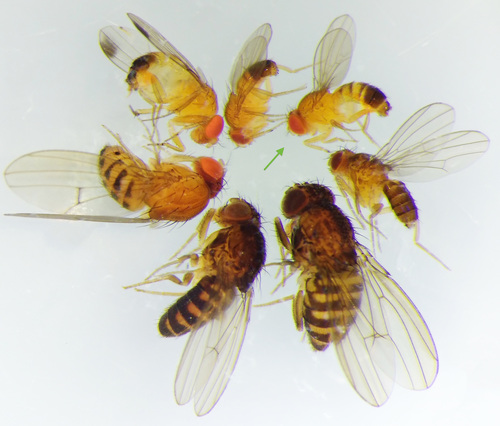
Adults are small, slender flies with clear wings marked by bold dark patterns (giving the group its common name). The body is generally pale yellow-brown to tan with darker shading on the thorax. Legs are relatively long and thin. The wing pattern — dark bands or spots on an otherwise translucent wing — is the most useful field mark for identification at a glance.
- Look for distinctive dark bands or spots on otherwise translucent wings (picture-wing pattern).
- Small body size, about 5-7 mm, pale tan to brown body with darker thoracic shading.
- Behavior: adults often rest on flowers or foliage and may make characteristic wing displays.
Lookalikes
Corn silk fly Euxesta spp.
Euxesta species are usually shiny dark metallic green to black and are associated with crops (their larvae feed in corn ears); wing patterns also differ.
Other Ulidiid picture-winged flies Various Ulidiidae
Many ulidiids share wing markings; Delphinia picta tends to be paler with a characteristic pattern and is commonly found on flowers and decaying vegetation.
↻Life cycle
Egg
Females lay batches of small eggs on decaying plant matter or other suitable organic substrates.
Larva (maggot)
Larvae develop in rotting vegetation, compost and similar substrates, feeding on microorganisms and decaying tissue.
Pupa
Larvae transform into pupae in the substrate; the pupal stage is a resting, non-feeding stage before the adult emerges.
Adult fly
Adults emerge from pupae, feed on nectar or honeydew, mate, and repeat the cycle. Adults are the visible stage commonly seen on flowers and leaves.
🍃Diet and predators
Young eat
Decaying plant material, microorganisms in rotting substrate
Adults eat
Nectar, honeydew and other sugary liquids; sometimes resting on foliage
Predators of the young
Predatory insects, beetles, ants and small soil-dwelling predators
Predators of adults
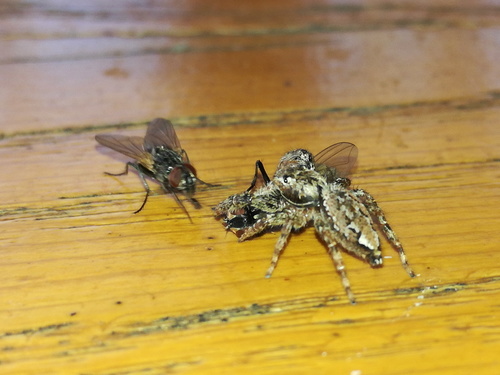
Spiders, predatory flies, robber flies, birds and insectivorous bats
🌱Effect on plants and gardens
Larvae feed on decaying plant material and help recycle nutrients; adults visit flowers for nectar or rest on foliage. They do not usually damage living plants or crops.
📍Where and when to find it
Adults: on flowers, leaves and foliage in gardens, meadows and woodland edges. Larvae: in compost, rotting vegetation and leaf litter.
Best time
Warm months (spring through fall), daylight hours. Peak activity on warm sunny days.
Observation tips
Look for small flies on flowers or near compost piles; a macro lens or close-focus camera helps capture the wing patterns. Disturbing a resting fly may prompt a wing display useful for ID.
✨Fun facts
- Picture-winged flies get their name from the bold patterns on their wings, which are used in display and signaling.
- Adults are often seen waving or flicking their patterned wings in small movements that may help deter predators or communicate with mates.
- Larvae help break down decaying plant matter and contribute to nutrient recycling in soils and compost.
?Frequently asked questions
Are common picture-winged flies dangerous?
No. Delphinia picta are harmless to people and pets and are not venomous or known to spread disease.
Do common picture-winged flies bite?
No. They are not known to bite humans.
Why is a picture-winged fly in my house?
They may enter houses while searching for food, nectar or resting spots, or if there is decaying organic material nearby such as indoor potted plant compost or fruit. They are usually accidental indoor visitors.
How do I get rid of picture-winged flies?
Remove or cover sources of decaying organic matter (compost, overripe fruit, potting mix), keep windows and doors screened, and use basic fly traps if needed. Sanitation is the most effective control.
Where does Delphinia picta live?
It is common in gardens, meadows and woodland edges across much of North America, especially in areas with abundant decaying plant material.
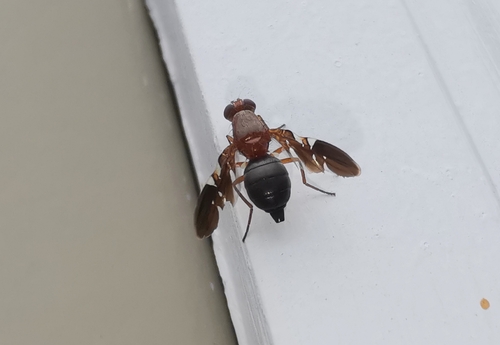
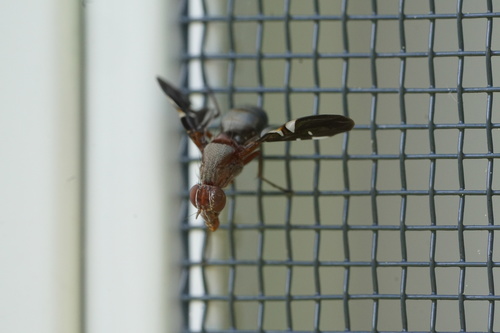
📷Photos of the common picture-winged fly
More flies & mosquitoes
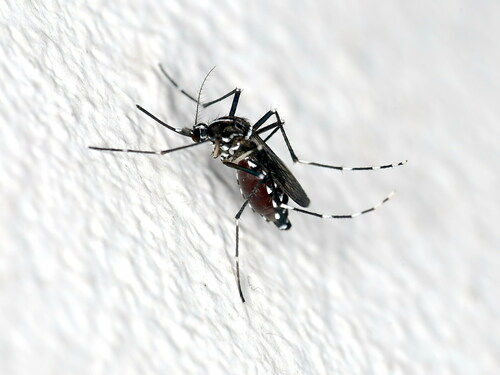
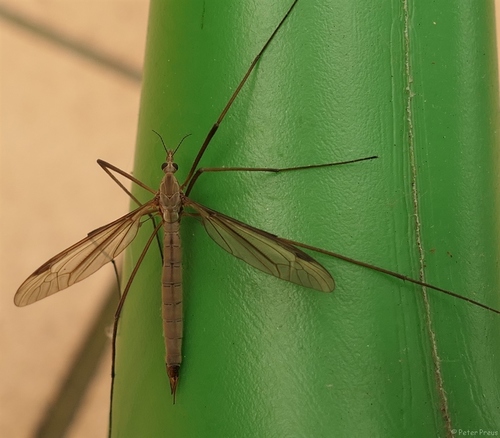
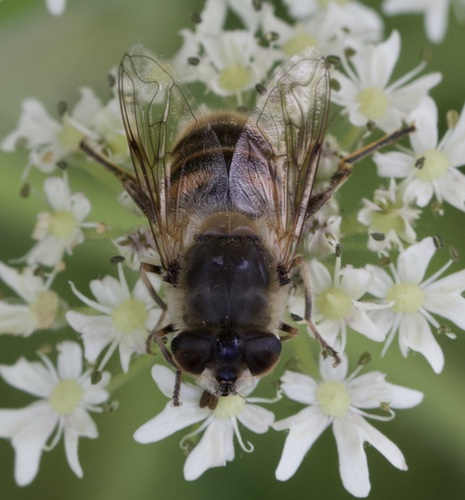
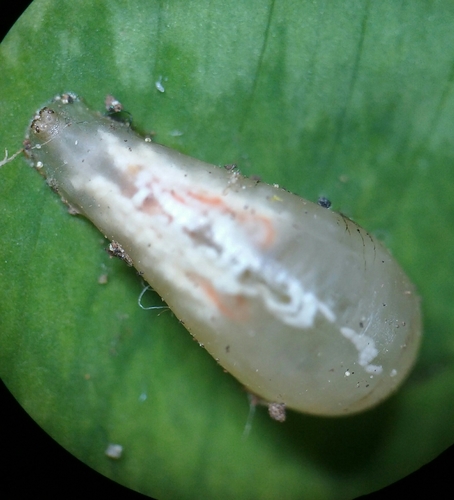
This guide was written with AI assistance and fact-checked, last updated 2026-10-10. Identification from photos is never certain: don't handle insects you can't identify, and get medical advice for bites, stings or allergic reactions. More about the common picture-winged fly: iNaturalist, Wikipedia.