
White admiral vs Purple emperor
These two are easy to mix up. Here's how to tell a white admiral from a purple emperor, and whether either one bites or stings.
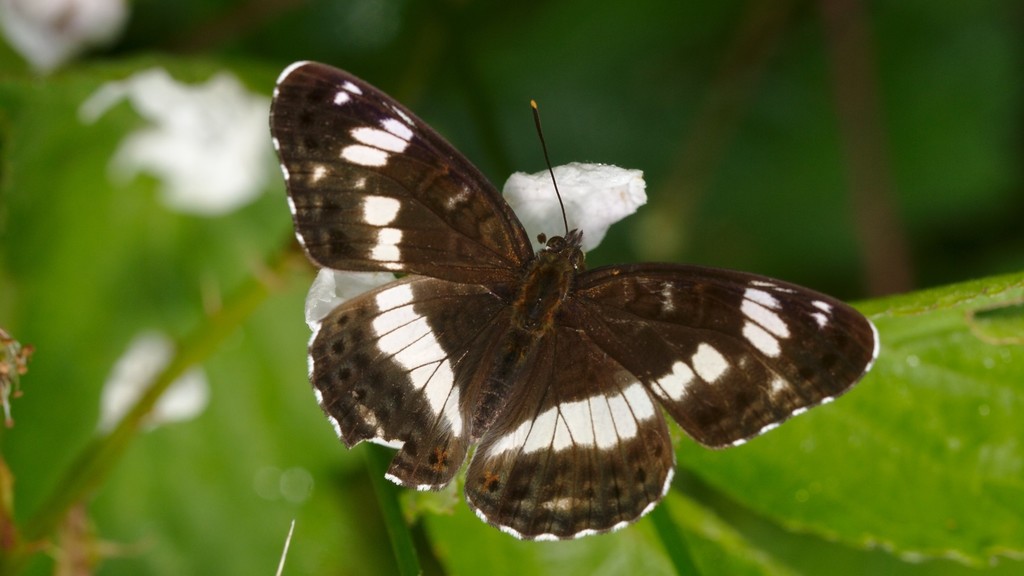
White admiral
Limenitis camilla
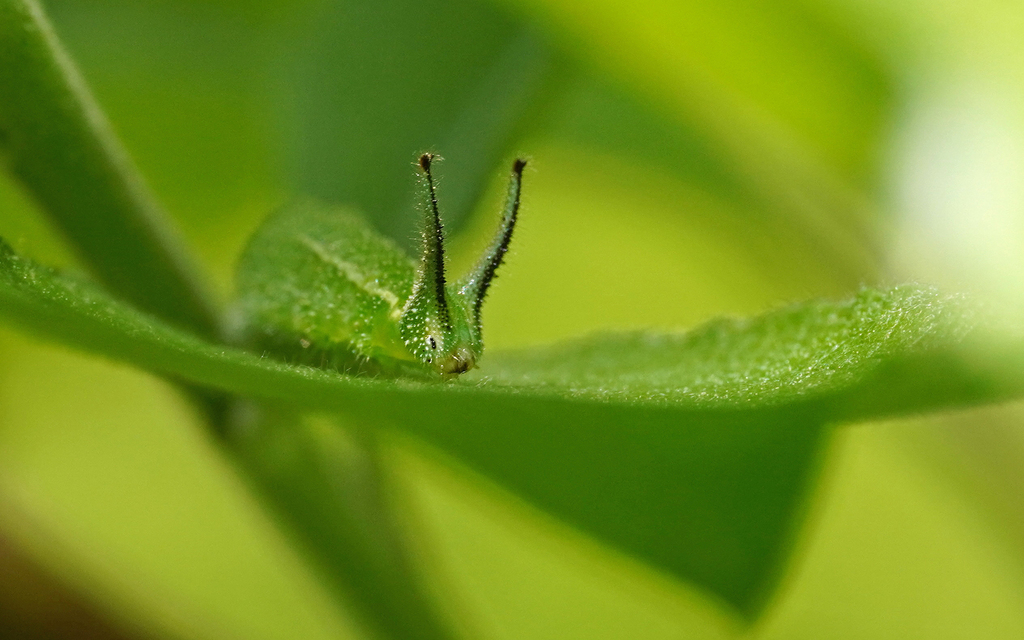
Purple emperor
Apatura iris
≠The key differences
The purple emperor also has a white band but is larger, males show purple-blue iridescence on the upperside, and it has an orange-ringed eyespot on the hindwing; it usually stays high in oak canopies.
⚖︎Side by side
| White admiral | Purple emperor | |
|---|---|---|
| To humans | Non-toxic | Non-toxic |
| Size | 56-64 mm wingspan | 70-85 mm wingspan |
| Colours | Black, White, Steel blue, Warm brown | Dark brown, Iridescent purple-blue, White, Orange |
| Family | Nymphalidae | Nymphalidae |
| Habitat | Deciduous and mixed woodland with sunlit rides, glades and dense honeysuckle understorey | Mature deciduous woodlands with sallows (willows), rides and clearings; favors canopy and tall trees. |
| Range | Temperate Europe and Asia, from Britain and France eastwards through Russia to China, Korea and Japan | Widespread across temperate Europe (west to east) and east across temperate Asia; locally common where suitable woodland exists but absent from treeless regions and much of northern Scandinavia. |
| Active | Mainly late spring to mid-summer (often June-July in northern Europe); daytime (diurnal) | Mainly June to August (summer); most active in warm, sunny weather and at canopy level during daytime. |
| Pest? | No | No |
🔍How to spot a white admiral
- Broad, well-defined white median band across both forewing and hindwing on a dark glossy background
- Small white spots near the forewing tip and no eyespot on the hindwing upperside
- Underside: orange-chestnut with white bands, black spots and a blue-grey base
🔍How to spot a purple emperor
- Large butterfly with 70-85 mm wingspan and bold white bands on dark wings.
- Males show an angle-dependent purple-blue iridescence on the upper wings; females are browner without strong sheen.
- Underside is cryptic brown/grey with white bands and eye spots—useful if wings are closed.
- Associated with mature deciduous woods and sallows; often seen lower down when feeding on sap or rotting fruit.
?Frequently asked questions
What is the difference between a white admiral and a purple emperor?
The purple emperor also has a white band but is larger, males show purple-blue iridescence on the upperside, and it has an orange-ringed eyespot on the hindwing; it usually stays high in oak canopies.
Is a white admiral or a purple emperor more dangerous?
White admiral: Non-toxic. Purple emperor: Non-toxic. Harmless to people. Not harmful to people.
Identification from photos is never certain: don't handle insects you can't identify, and get medical advice for bites, stings or allergic reactions.