
Lime hawk-moth vs Eyed hawk-moth
These two are easy to mix up. Here's how to tell a lime hawk-moth from an eyed hawk-moth, and whether either one bites or stings.
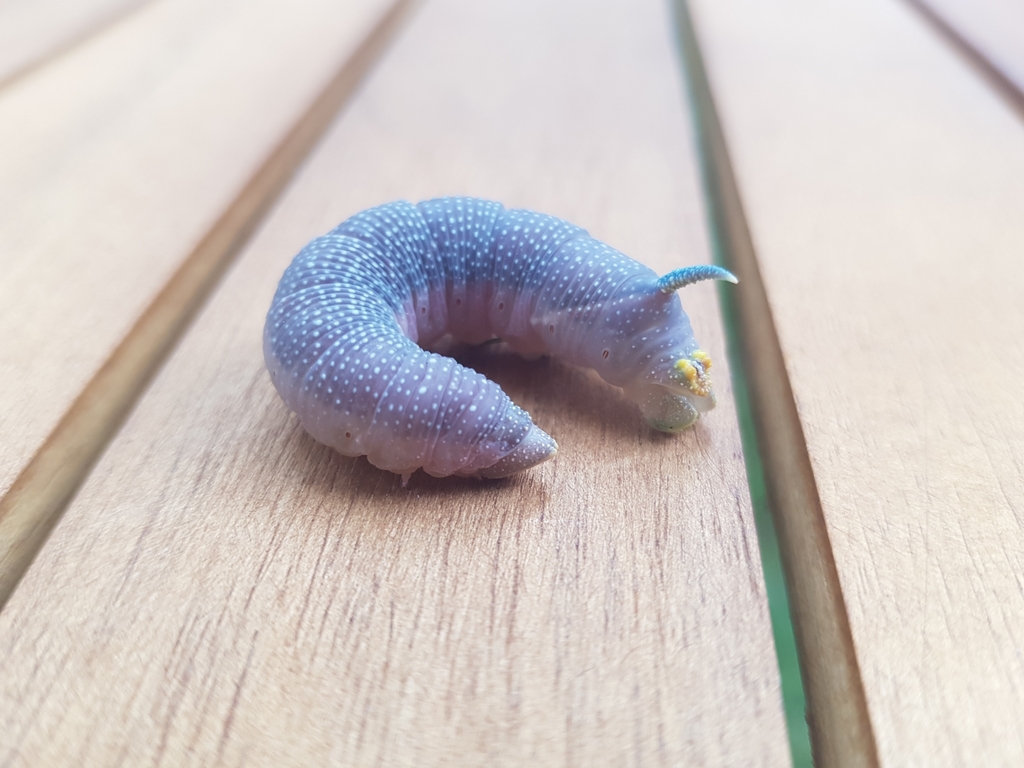
Lime hawk-moth
Mimas tiliae
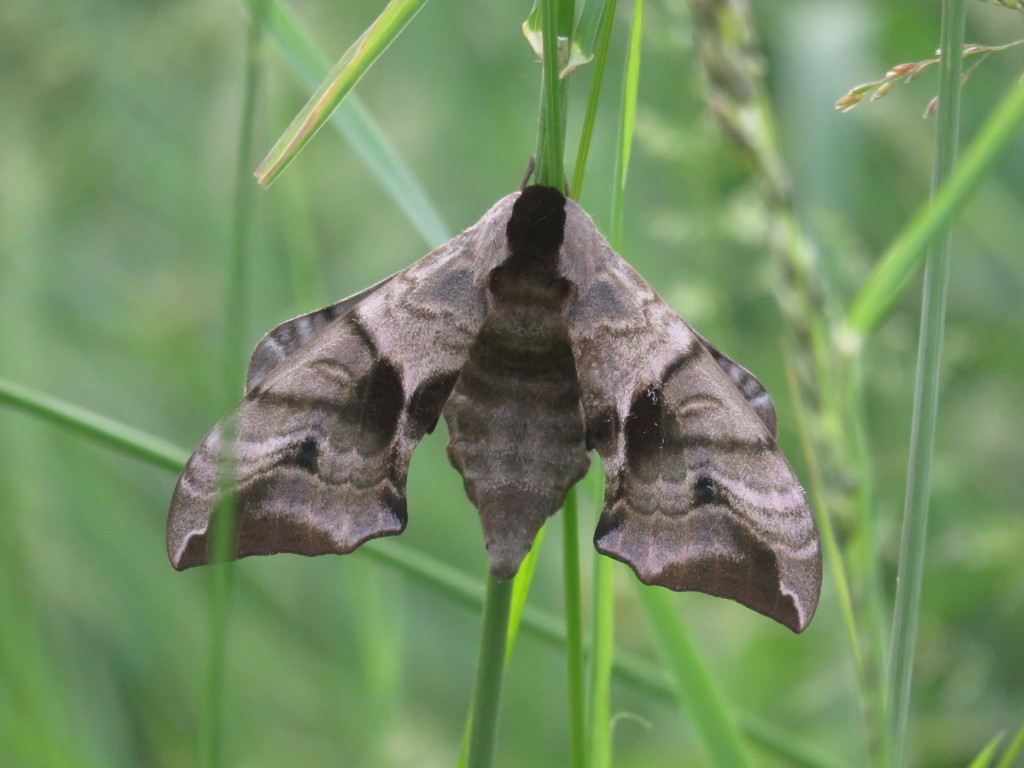
Eyed hawk-moth
Smerinthus ocellata
≠The key differences
Eyed hawk-moth shows large blue-and-black eye-spots on pink hindwings; Mimas tiliae lacks hindwing eye-spots and has dark green blotches on the forewings.
⚖︎Side by side
| Lime hawk-moth | Eyed hawk-moth | |
|---|---|---|
| To humans | Non-toxic | Non-toxic |
| Size | Wingspan 70-80 mm | 70-80 mm wingspan |
| Colours | Pale green, Olive, Pinkish buff, Brown | Brown, Grey, Pink, Black |
| Family | Sphingidae | Sphingidae |
| Habitat | Parks, avenues, gardens with lime trees, woodland edges, hedgerows | Woodland edges, riversides, parks and gardens where willows and poplars occur |
| Range | Widespread across Europe and into temperate Asia; common where mature deciduous trees occur | Widespread across Europe into western Asia; absent from extreme north and some Mediterranean islands |
| Active | Mainly late April to July (one generation in most regions); adults nocturnal and active after dusk | Late spring to early summer (varies by region); crepuscular and nocturnal |
| Pest? | No | No |
🔍How to spot a lime hawk-moth
- Wingspan 70-80 mm with triangular forewings and variable green to brown mottled colour.
- Scalloped forewing edge and a dark green central band, often broken into two blotches.
- Caterpillars large and bulky, bright green with yellow diagonal side stripes and a bluish tail horn; they turn brownish before pupating.
- Active at night and often attracted to light; rests with wings held flat at rest (typical sphingid posture).
🔍How to spot an eyed hawk-moth
- Rounded hindwing 'eye' spot: a blue ring around a black pupil on a rosy-pink background, revealed when disturbed.
- Mottled brown-grey forewings with rounded outline and subtle transverse lines.
- Large size with 70-80 mm wingspan and stout, furry body typical of Sphingidae.
- Caterpillars are green with white diagonal side stripes and a blue tail horn.
?Frequently asked questions
What is the difference between a lime hawk-moth and an eyed hawk-moth?
Eyed hawk-moth shows large blue-and-black eye-spots on pink hindwings; Mimas tiliae lacks hindwing eye-spots and has dark green blotches on the forewings.
Is a lime hawk-moth or an eyed hawk-moth more dangerous?
Lime hawk-moth: Non-toxic. Eyed hawk-moth: Non-toxic. Adults and caterpillars are harmless to people. Adults do not bite or sting and are harmless.
Identification from photos is never certain: don't handle insects you can't identify, and get medical advice for bites, stings or allergic reactions.