
European paper wasp vs Northern paper wasp
These two are easy to mix up. Here's how to tell an European paper wasp from a northern paper wasp, and whether either one bites or stings.
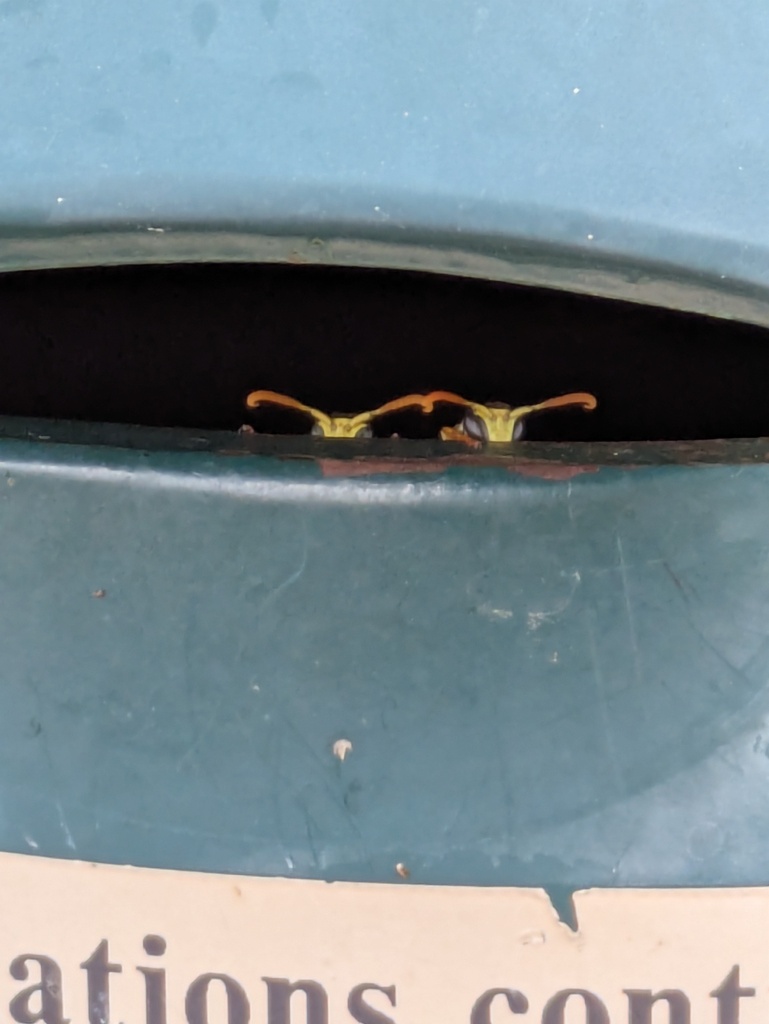
European paper wasp
Polistes dominula
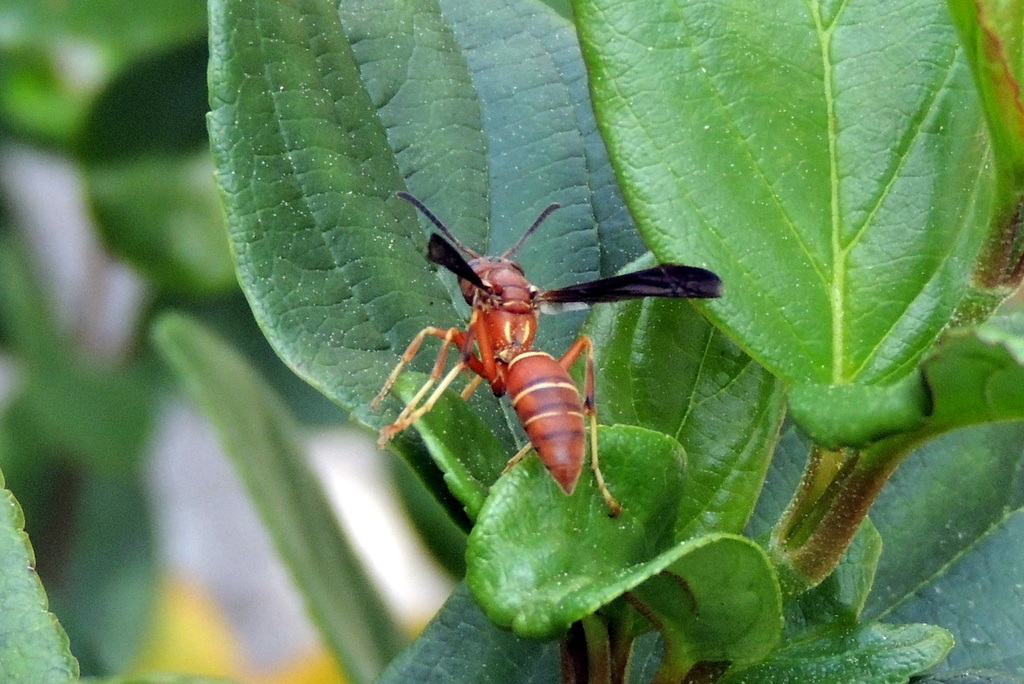
Northern paper wasp
Polistes fuscatus
≠The key differences
P. dominula (introduced to North America) is brighter yellow and black, looking more like a yellowjacket, with orange antennae; P. fuscatus is mostly brown to dark reddish-brown with thinner yellow markings.
⚖︎Side by side
| European paper wasp | Northern paper wasp | |
|---|---|---|
| To humans | Painful sting | Painful sting |
| Size | 12-20 mm body length | 12-20 mm body length |
| Colours | Yellow, Black, White / Pale, Reddish brown (antennae/legs) | Reddish-brown, Dark brown / nearly black, Yellow, Cream / pale |
| Family | Vespidae | Vespidae |
| Habitat | Human structures (eaves, barns, sheds), shrubs, low trees, and garden areas in urban, suburban and rural landscapes | Open wooded areas, gardens, suburban and urban structures; nests under eaves, in sheds, porches, shrubs and tree branches. |
| Range | Native to Europe and parts of Asia; established as an invasive species in North America, South America, South Africa and other regions | Widespread across much of North America, including Canada and the United States; locally common in temperate regions. |
| Active | Active spring through autumn (temperate zones); day-active, most visible in warm daylight hours | Spring to autumn (nesting season mostly May-September in temperate North America); diurnal (active in daylight). |
| Pest? | Yes | No |
🔍How to spot an European paper wasp
- Slender body 12-20 mm with narrow waist and long legs that hang during flight.
- Distinct black and yellow banding on abdomen, yellow face and bright orange antennae.
- Small open umbrella-shaped paper nests attached by a single stem, usually without a full outer envelope.
- Compared to native Polistes species in North America, P. dominula is much more extensively black-and-yellow (yellowjacket-like); geographic context helps identification.
🔍How to spot a northern paper wasp
- Slender wasp with narrow 'waist' and long legs that dangle in flight.
- Variable facial markings (yellow or cream patches) that differ between individuals—useful identifier of P. fuscatus in combination with regional range.
- Open, umbrella-shaped single-comb paper nests suspended from a stalk, usually without an outer envelope.
- Body 12-20 mm, brown to dark brown with yellow or cream markings on the abdomen and face.
?Frequently asked questions
What is the difference between an European paper wasp and a northern paper wasp?
P. dominula (introduced to North America) is brighter yellow and black, looking more like a yellowjacket, with orange antennae; P. fuscatus is mostly brown to dark reddish-brown with thinner yellow markings.
Is an European paper wasp or a northern paper wasp more dangerous?
European paper wasp: Painful sting. Northern paper wasp: Painful sting. Polistes dominula can deliver painful stings and will defend nests aggressively. Northern paper wasps can deliver painful stings and are defensive around their nest.
Identification from photos is never certain: don't handle insects you can't identify, and get medical advice for bites, stings or allergic reactions.