
Eastern dobsonfly
Corydalus cornutus · Dobsonflies
A large, showy aquatic insect: larvae (hellgrammites) are stream predators; adults are short-lived, large-winged insects with long mandibles in males.
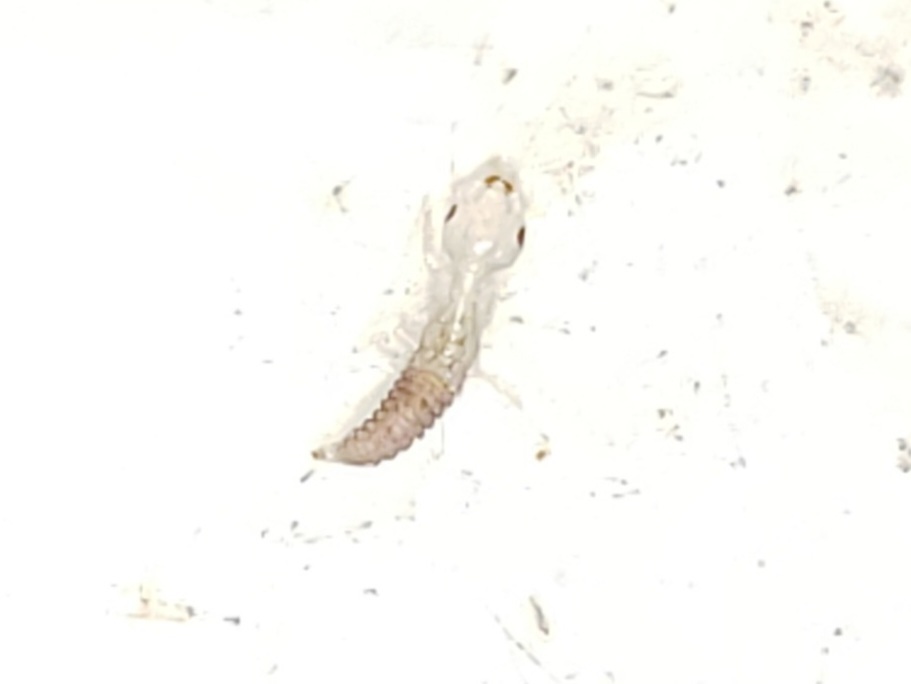
!Is the eastern dobsonfly dangerous?
Only mildly. Adults do not have venom. Males' long mandibles look frightening but usually cannot pierce skin deeply; females have stronger mandibles and can pinch painfully if handled. Larvae can deliver a painful mechanical bite with their mandibles but are not venomous. Treat any puncture as you would a bite: clean with soap and water, apply antiseptic, and seek medical care if signs of infection or an allergic reaction occur.
Pets
Not toxic to pets. A pinch from a larva or adult may cause a localized reaction or minor injury if a pet mouths one; monitor for swelling or infection.
📖Overview
Corydalus cornutus is a large insect of flowing-water habitats in eastern North America. The aquatic larval stage, called a hellgrammite, is a flattened, heavily sclerotized predator that lives under stones in clean, well-oxygenated streams for 1-5 years. Adults are crepuscular/nocturnal, weak-flying, and live only days to a couple of weeks; males have long, curved mandibles used in courtship rather than feeding or serious defense. Adults are often attracted to lights and sometimes enter houses near streams.
🔍How to identify a eastern dobsonfly
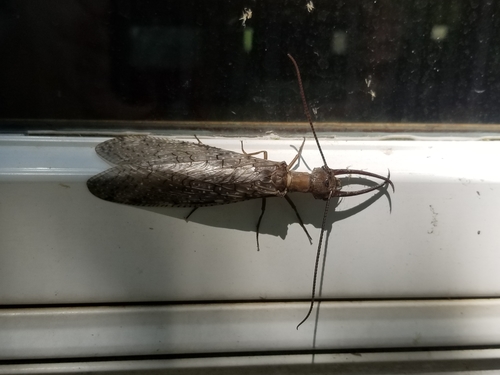
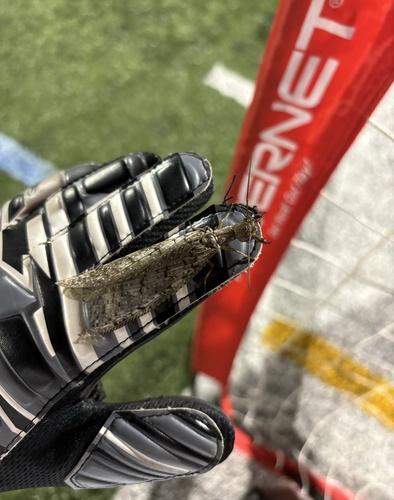
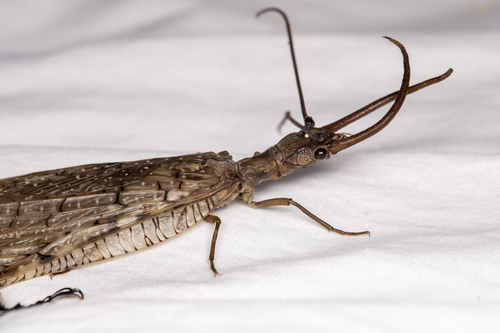
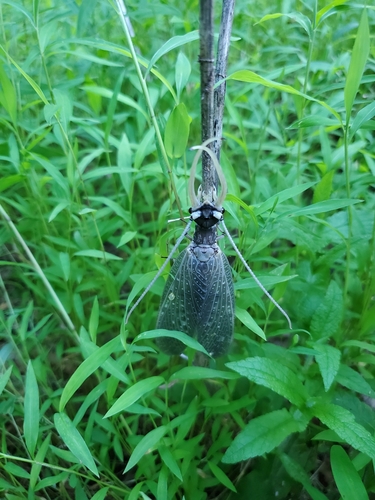
Adult eastern dobsonflies are robust and large, with two pairs of long, net-veined wings that extend past the abdomen when at rest and a pair of long filamentous antennae. Males have elongate, sickle-shaped mandibles that can look intimidating but are relatively weak; females have shorter, stronger mandibles. The body and wings are mottled brown and tan, giving a bark-like appearance. Larvae (hellgrammites) are elongated, flattened, and segmented with lateral filaments and two prolegs with hooks at the rear, and they bear well-developed chewing mouthparts.
- Very large megalopteran with long, net-veined wings often longer than the abdomen.
- Males have very long, curved mandibles; females have shorter, stronger mandibles.
- Larvae (hellgrammites) are flattened, segmented, with lateral filaments and a pair of hooked prolegs at the rear.
Lookalikes
Fishfly Chauliodes spp.
Fishflies are generally smaller, with different wing venation and shorter mandibles; adults often have spots and different antenna structure.
Other dobsonfly species Corydalus spp. (e.g., C. luteus)
Range and subtle differences in wing pattern and male mandible shape separate species; geographic range helps identification.
↻Life cycle
Egg
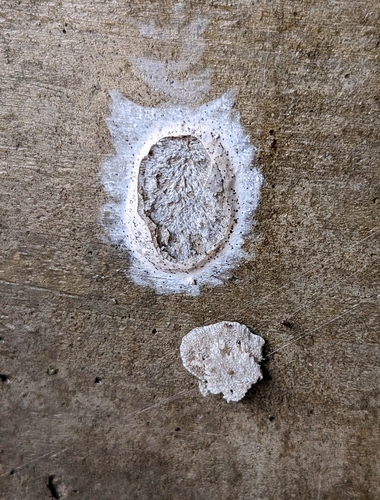
Females lay clusters of eggs on vegetation, rocks, or objects overhanging water; eggs hatch in about 1-2 weeks depending on temperature and humidity.
Larva (hellgrammite)
Aquatic, predatory stage that lives under stones and leaf packs for 1-5 years, growing through multiple instars and hunting small aquatic invertebrates and fish fry.
Pupa
Mature larvae leave the stream and pupate in damp soil or leaf litter near the water; the pupal stage lasts days to weeks before the adult emerges.
Adult (dobsonfly)
Short-lived winged stage focused on dispersal and reproduction; adults mate, females deposit eggs, and adults rarely feed.
🍃Diet and predators
Young eat
Carnivorous: aquatic invertebrates such as insect larvae, small crustaceans, and occasionally small fish or tadpoles.
Adults eat
Adults feed little or not at all; if they feed it is on nectar or other liquid sources, but feeding is not well documented.
Predators of the young
Fish, larger aquatic insects, salamanders, and aquatic birds.
Predators of adults
Bats, night-flying birds, spiders, and predatory insects; adults are short-lived and subject to predation when active at night.
🌱Effect on plants and gardens
Dobsonflies do not feed on or damage plants; larvae are aquatic predators and adults feed little or not at all.
📍Where and when to find it
Look for larvae under rocks and leaf packs in fast-flowing streams and rivers. Adults are found on vegetation near streams or attracted to lights at night.
Best time
Adults are most commonly seen late spring to mid-summer at dusk and after dark; larvae can be collected year-round from streams.
Observation tips
To photograph adults, try low-light settings near streamside lights at dusk; to observe larvae, turn over submerged rocks with care and replace them afterward to minimise habitat disturbance.
✨Fun facts
- The aquatic larval stage (hellgrammite) can last several years and is prized as fishing bait.
- Male dobsonfly mandibles are used in courtship displays and to grasp the female, not to inject venom.
- Adults are attracted to lights at night and can appear in large numbers near riparian areas.
?Frequently asked questions
Are eastern dobsonflies dangerous?
No, they are not venomous. They can pinch with their mandibles (females and larvae more so), which can be painful but is not medically dangerous for most people.
Do eastern dobsonflies bite or sting?
They do not sting. Larvae and females can deliver a mechanical bite or pinch; it may hurt and should be cleaned to avoid infection.
Why is a dobsonfly in my house?
Adults are nocturnal and attracted to lights; houses near streams or rivers often see dobsonflies flying to porch or indoor lights.
How can I get rid of dobsonflies around my home?
Reduce outdoor lighting at night or use yellow 'bug' lights, seal windows and doors, and remove or screen entry points. They are not household pests and do not reproduce indoors.
Where do hellgrammites live and how long do they live?
Hellgrammites live under stones and debris in clean, well-oxygenated streams for 1-5 years before pupating in damp soil near the water.
📷Photos of the eastern dobsonfly
More other creepy crawlies
This guide was written with AI assistance and fact-checked, last updated 2026-10-09. Identification from photos is never certain: don't handle insects you can't identify, and get medical advice for bites, stings or allergic reactions.