
Convergent lady beetle vs Two-spotted lady beetle
These two are easy to mix up. Here's how to tell a convergent lady beetle from a two-spotted lady beetle, and whether either one bites or stings.
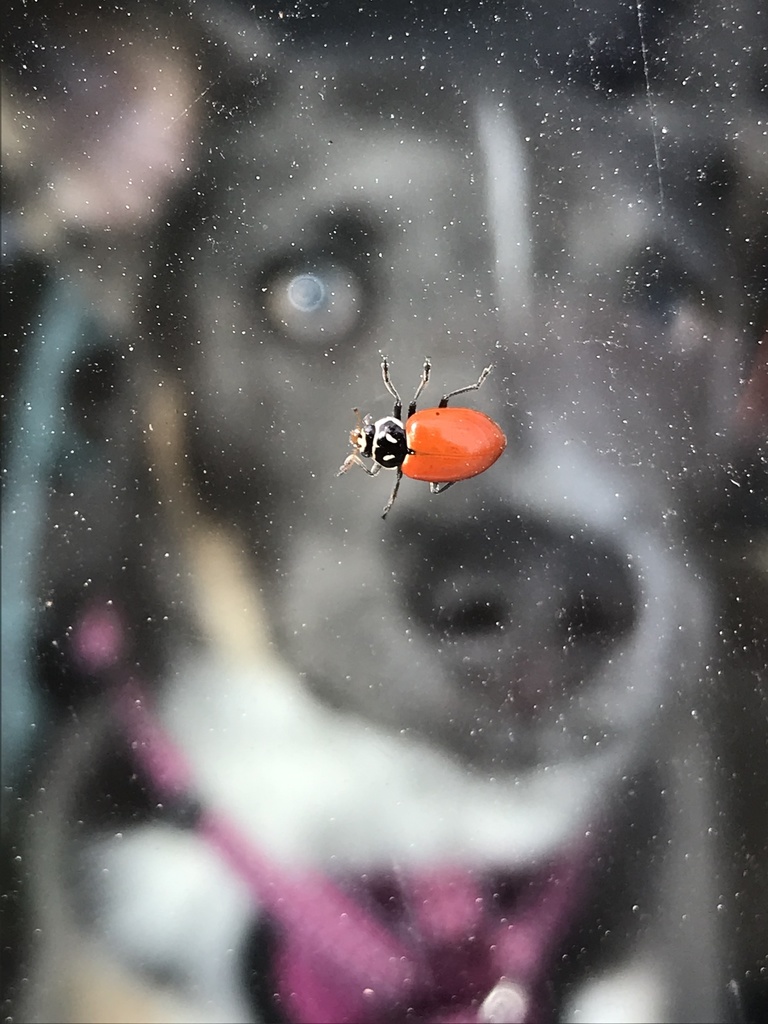
Convergent lady beetle
Hippodamia convergens
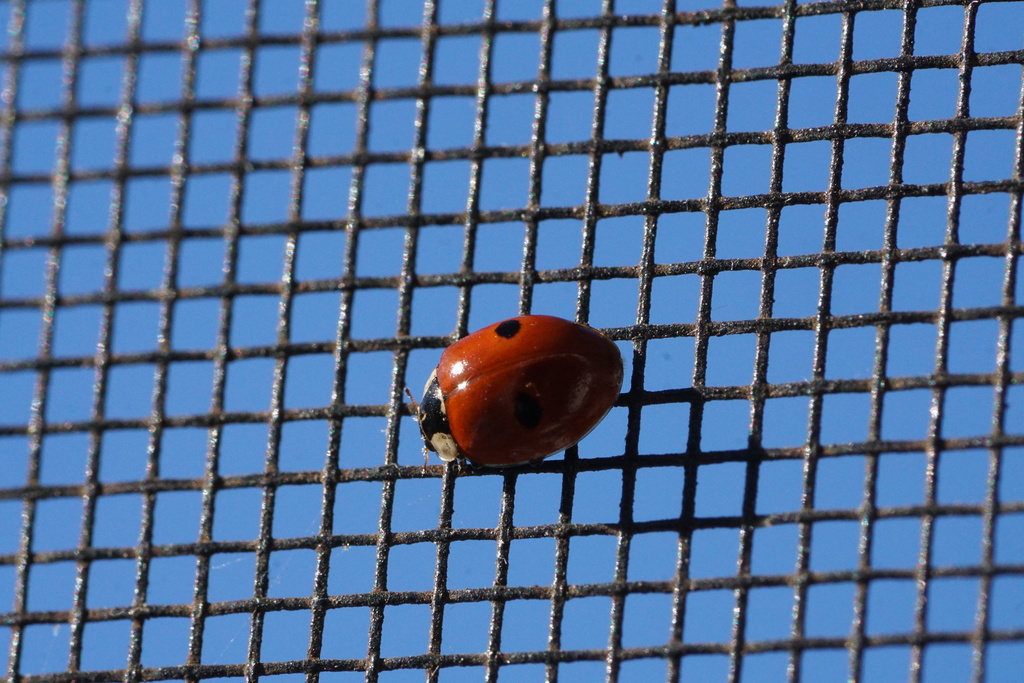
Two-spotted lady beetle
Adalia bipunctata
≠The key differences
Usually has two large black spots on the elytra and lacks the converging white pronotal marks; body proportions and spot pattern differ.
⚖︎Side by side
| Convergent lady beetle | Two-spotted lady beetle | |
|---|---|---|
| To humans | Non-toxic | Non-toxic |
| Size | 3.5-7 mm long | 3.5-5 mm long |
| Colours | Orange-red, Black, White | Red, Black, Orange |
| Family | Coccinellidae | Coccinellidae |
| Habitat | Gardens, fields, meadows, forest edges and shrubby areas; often on plants with aphid infestations and in sheltered overwintering sites such as rock crevices, buildings and trees. | Gardens, orchards, parks, hedgerows, field margins and other places where aphids occur; also found on trees and shrubs |
| Range | Native to North America; abundant in the United States and Canada. Has been transported for commercial biocontrol to other regions. | Holarctic: native across much of Europe, Asia and North America; declining in parts of North America |
| Active | Active spring through fall; adults congregate to overwinter in autumn and become active in spring. Diurnally active (daytime). | Spring to autumn; active by day (diurnal); adults overwinter in sheltered sites |
| Pest? | No | No |
🔍How to spot a convergent lady beetle
- Look for orange-red, dome-shaped beetles about 3.5-7 mm long with black spots on the elytra.
- Check the pronotum behind the head for two white markings or lines that converge toward the center (the 'convergent' mark).
- Larvae are elongated, dark and spiny with orange spots (look like tiny alligators), often on plants with aphids.
🔍How to spot a two-spotted lady beetle
- Small domed beetle 3.5-5 mm long with one large spot on each elytron (two spots total) in the common red/orange form
- Colour polymorphism: check for black form with a pair of orange/red spots; pronotal markings (white or pale patches) help confirm identity
- Smaller and with different pronotal pattern than the larger Harmonia axyridis (Asian lady beetle) and different spot counts from Coccinella septempunctata
?Frequently asked questions
What is the difference between a convergent lady beetle and a two-spotted lady beetle?
Usually has two large black spots on the elytra and lacks the converging white pronotal marks; body proportions and spot pattern differ.
Is a convergent lady beetle or a two-spotted lady beetle more dangerous?
Convergent lady beetle: Non-toxic. Two-spotted lady beetle: Non-toxic. Harmless to people. Not dangerous.
Identification from photos is never certain: don't handle insects you can't identify, and get medical advice for bites, stings or allergic reactions.