
Black swallowtail vs Spicebush swallowtail
These two are easy to mix up. Here's how to tell a black swallowtail from a spicebush swallowtail, and whether either one bites or stings.
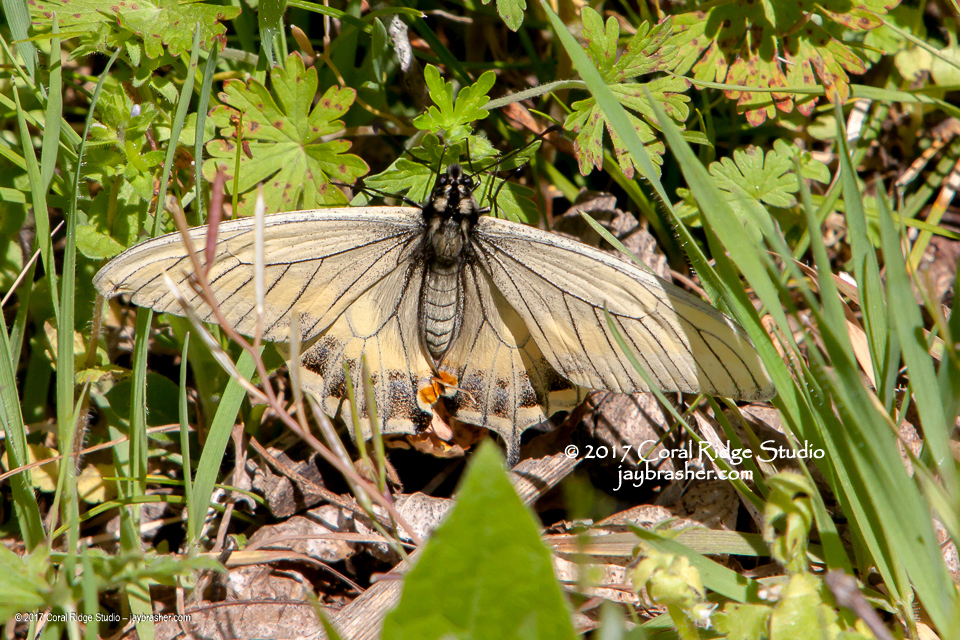
Black swallowtail
Papilio polyxenes
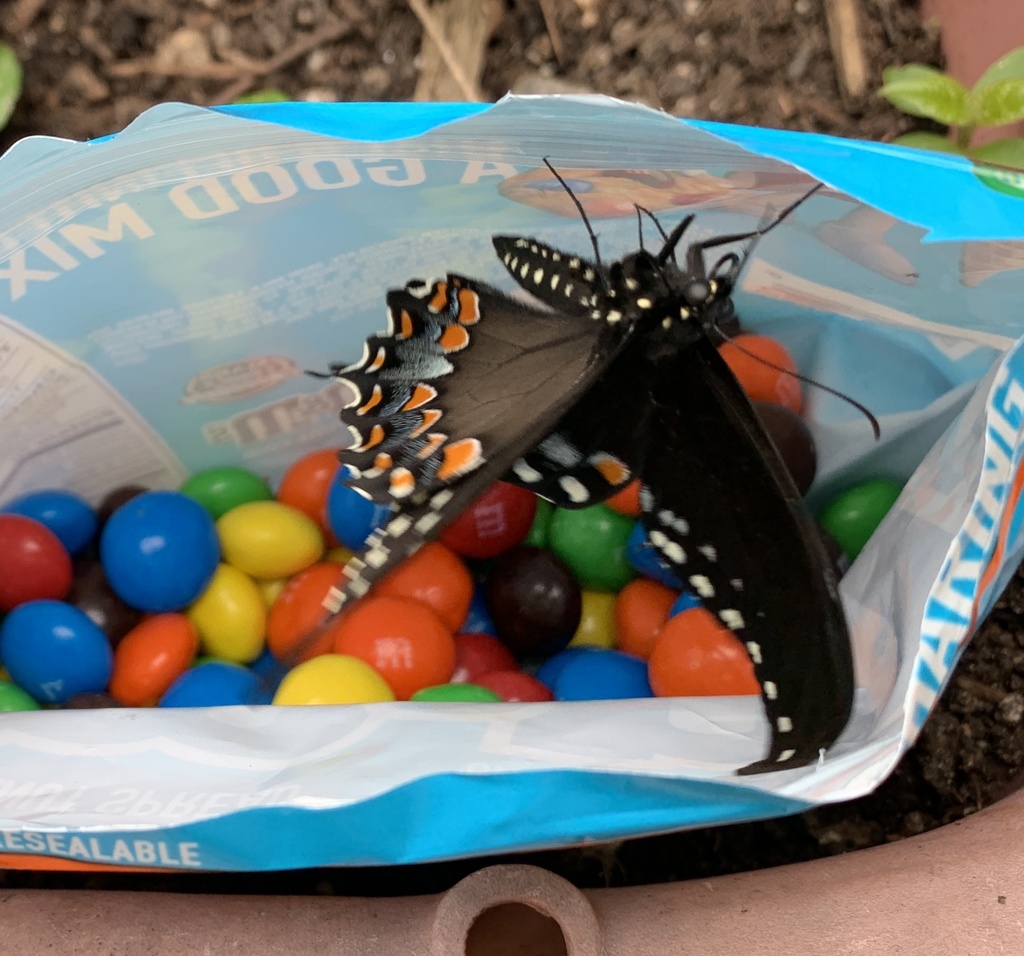
Spicebush swallowtail
Papilio troilus
≠The key differences
Spicebush swallowtail has a bluish-green wash on the hindwing, pale spots that are smaller and paler than the black swallowtail's yellow band, and an orange spot on the hindwing's leading edge; its caterpillars feed on spicebush and sassafras (Lauraceae).
⚖︎Side by side
| Black swallowtail | Spicebush swallowtail | |
|---|---|---|
| To humans | Non-toxic | Non-toxic |
| Size | 6.5-10 cm wingspan | 8-10 cm wingspan |
| Colours | Black, Yellow, Blue, Orange | Black, Iridescent blue-green, Yellow-cream, Orange |
| Family | Papilionidae | Papilionidae |
| Habitat | Open areas, gardens, meadows, roadsides and fields where host plants (Apiaceae and some Rutaceae) grow | Woodland edges, swamps, wetlands, gardens and other areas where host plants (spicebush, sassafras and laurels) grow. |
| Range | Southern Canada and most of the United States east of the Rocky Mountains, plus the Southwest; south through Mexico and Central America to northern South America | Eastern North America: from southern Canada (Ontario, Quebec) south through much of the eastern United States to Florida and east Texas. |
| Active | Spring through fall (multiple broods in warm areas); diurnal (active during daylight) | Active spring through fall; usually day-flying with peak activity in warm sunny weather. One to three broods per year depending on latitude. |
| Pest? | Yes | No |
🔍How to spot a black swallowtail
- Black wings with a band of yellow spots across forewing; hindwings have blue scaling and orange submarginal spots
- Distinctive swallowtail 'tails' on the hindwings
- Caterpillars are initially dark and white-banded (bird-dropping mimic), later becoming green with black bands and orange spots
- Wingspan typically 6.5-10 cm
🔍How to spot a spicebush swallowtail
- Black swallowtail with a broad iridescent band across the hindwing (blue-green in males, bluer in females).
- Row of yellow or cream marginal spots on both forewing and hindwing, plus small orange submarginal spots on hindwing near the tail.
- Short swallowtail 'tails' on the hindwings.
- Caterpillars: early instars look like bird droppings; later instars are bright green with prominent false eye spots and a swollen thorax.
?Frequently asked questions
What is the difference between a black swallowtail and a spicebush swallowtail?
Spicebush swallowtail has a bluish-green wash on the hindwing, pale spots that are smaller and paler than the black swallowtail's yellow band, and an orange spot on the hindwing's leading edge; its caterpillars feed on spicebush and sassafras (Lauraceae).
Is a black swallowtail or a spicebush swallowtail more dangerous?
Black swallowtail: Non-toxic. Spicebush swallowtail: Non-toxic. Adults do not bite or sting and are harmless. Harmless to people.
Identification from photos is never certain: don't handle insects you can't identify, and get medical advice for bites, stings or allergic reactions.