
Small tortoiseshell vs Comma butterfly
These two are easy to mix up. Here's how to tell a small tortoiseshell from a comma butterfly, and whether either one bites or stings.
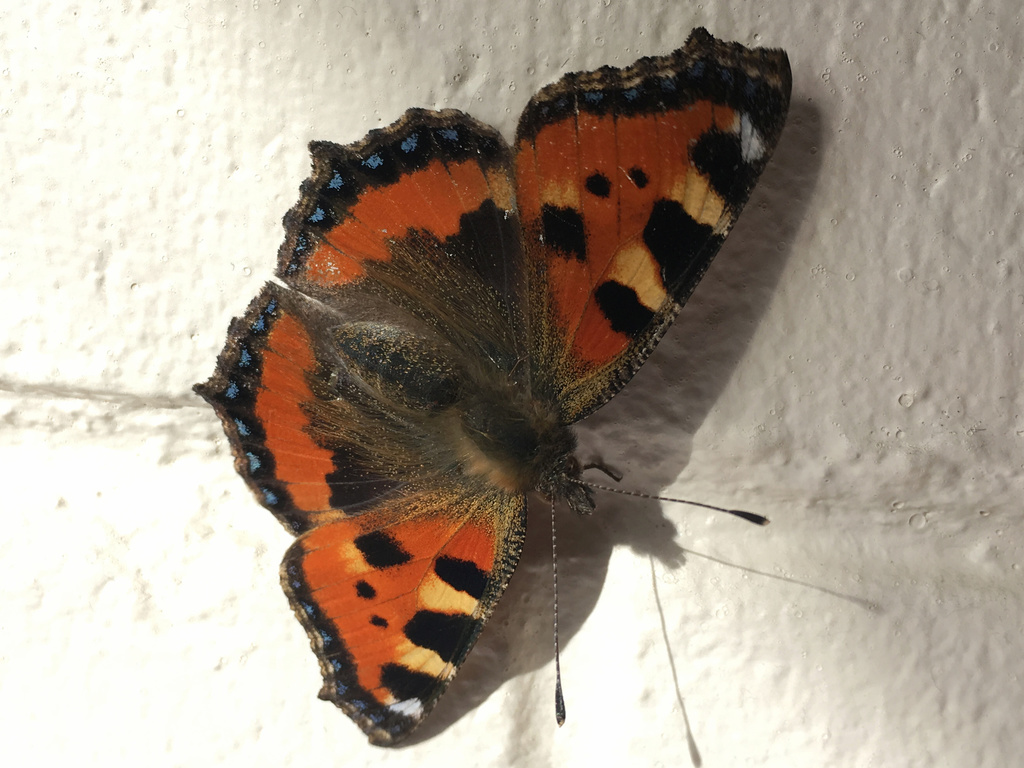
Small tortoiseshell
Aglais urticae
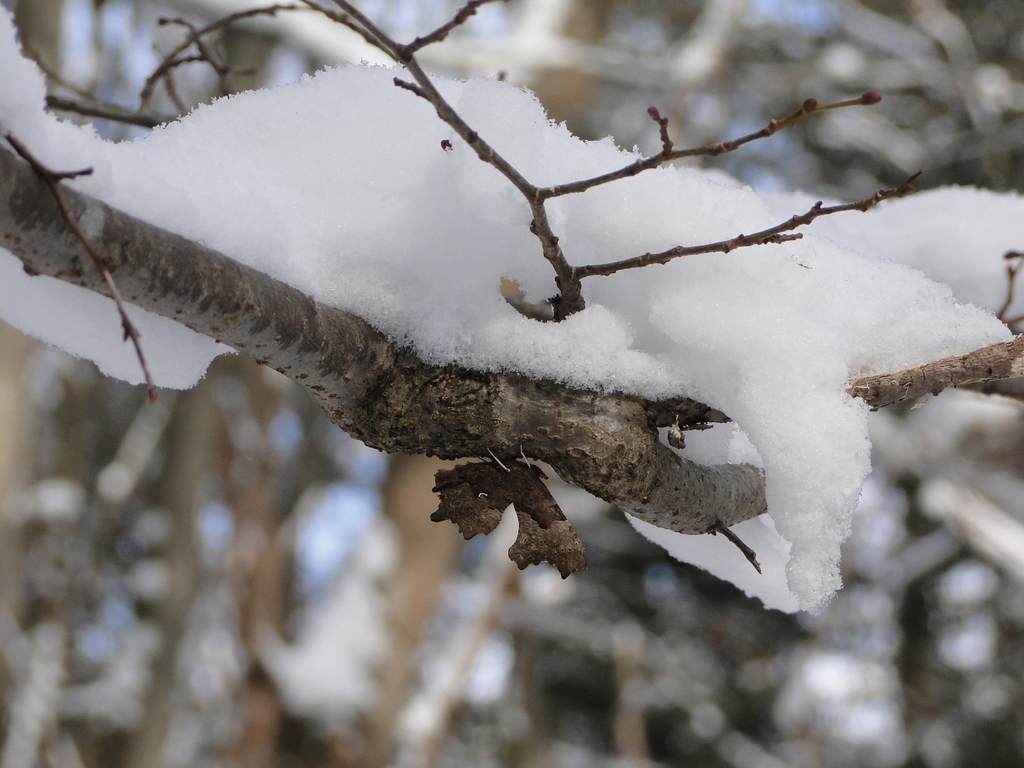
Comma butterfly
Polygonia c-album
≠The key differences
Comma has angular, more triangular wings with a small white 'comma' mark on the underside; small tortoiseshell has rounder scalloped margins and blue lunules on the margin.
Upperwing color is more vividly patterned with black and blue spots; wing margins are less deeply scalloped and underside is less leaf-like.
⚖︎Side by side
| Small tortoiseshell | Comma butterfly | |
|---|---|---|
| To humans | Non-toxic | Non-toxic |
| Size | 45-62 mm wingspan | 45-60 mm wingspan |
| Colours | Orange, Black, Cream, Blue | Orange, Dark brown, Pale brown (underside dead-leaf), White (C-mark) |
| Family | Nymphalidae | Nymphalidae |
| Habitat | Open sunny habitats: gardens, meadows, roadside verges, hedgerows and disturbed ground; also woodland edges and parks. | Woodland edges, hedgerows, scrub, gardens, parks and other semi-open habitats with host plants and sunny perches. |
| Range | Widespread across Europe and temperate Asia, from the British Isles and Iberia across to Siberia and parts of East Asia. | Widespread across Europe and North Africa, east through temperate Asia to Japan; distribution and abundance vary with climate and local habitat. |
| Active | Spring through autumn; can be seen early in the year after overwintering and is active during daylight, especially on warm, sunny days. | Mainly spring to autumn; adults fly on sunny days and hibernate over winter as adults. |
| Pest? | No | No |
🔍How to spot a small tortoiseshell
- Bright orange wings with large black patches on the forewings and a dark marginal band containing blue lunules.
- Scalloped wing margins and a wingspan of about 45-62 mm.
- Underside of wings duller and cryptic—closed wings show a mottled brown pattern for camouflage.
- If seen on nettles, look for clustered black spiny caterpillars on the undersides of leaves.
🔍How to spot a comma butterfly
- Look for the small white C-shaped mark on the underside of the hindwing - the key field mark.
- Deeply scalloped, ragged wing margins giving an 'anglewing' outline.
- Upperwings orange-brown with darker mottling; underside cryptic brown resembling a dead leaf.
- When at rest with wings closed, silhouette and leaf-like underside help separate it from more rounded butterflies.
?Frequently asked questions
What is the difference between a small tortoiseshell and a comma butterfly?
Comma has angular, more triangular wings with a small white 'comma' mark on the underside; small tortoiseshell has rounder scalloped margins and blue lunules on the margin. Upperwing color is more vividly patterned with black and blue spots; wing margins are less deeply scalloped and underside is less leaf-like.
Is a small tortoiseshell or a comma butterfly more dangerous?
Small tortoiseshell: Non-toxic. Comma butterfly: Non-toxic. Not dangerous. Harmless to people.
Identification from photos is never certain: don't handle insects you can't identify, and get medical advice for bites, stings or allergic reactions.