
Polyphemus moth vs Regal moth
These two are easy to mix up. Here's how to tell a Polyphemus moth from a regal moth, and whether either one bites or stings.
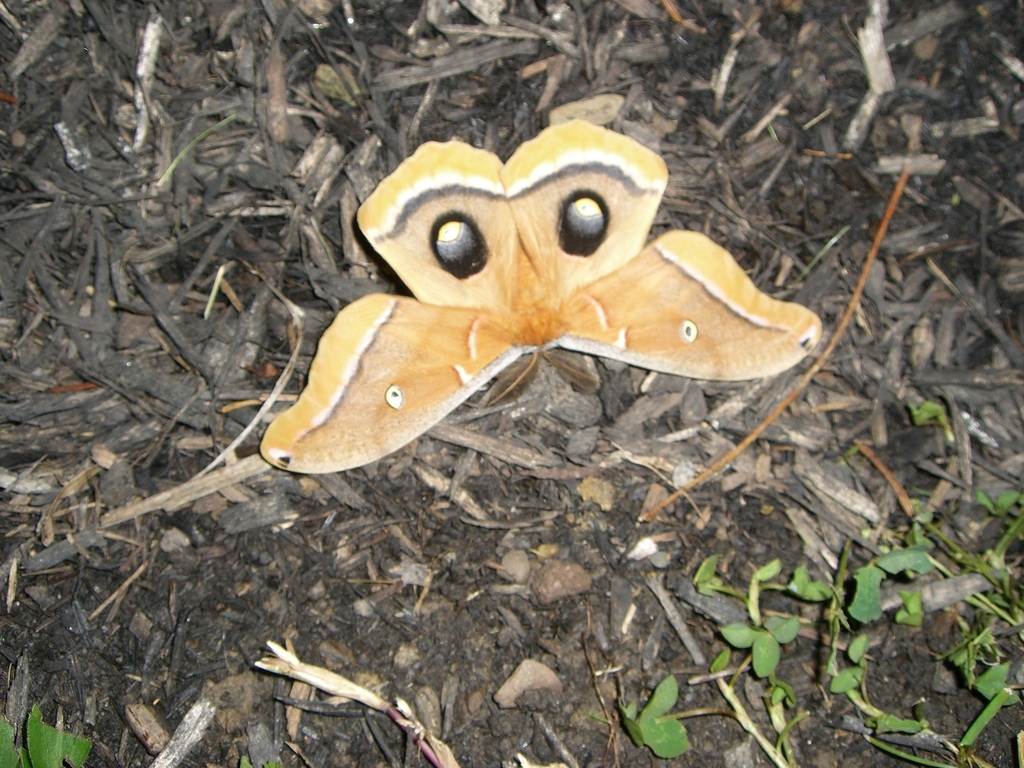
Polyphemus moth
Antheraea polyphemus
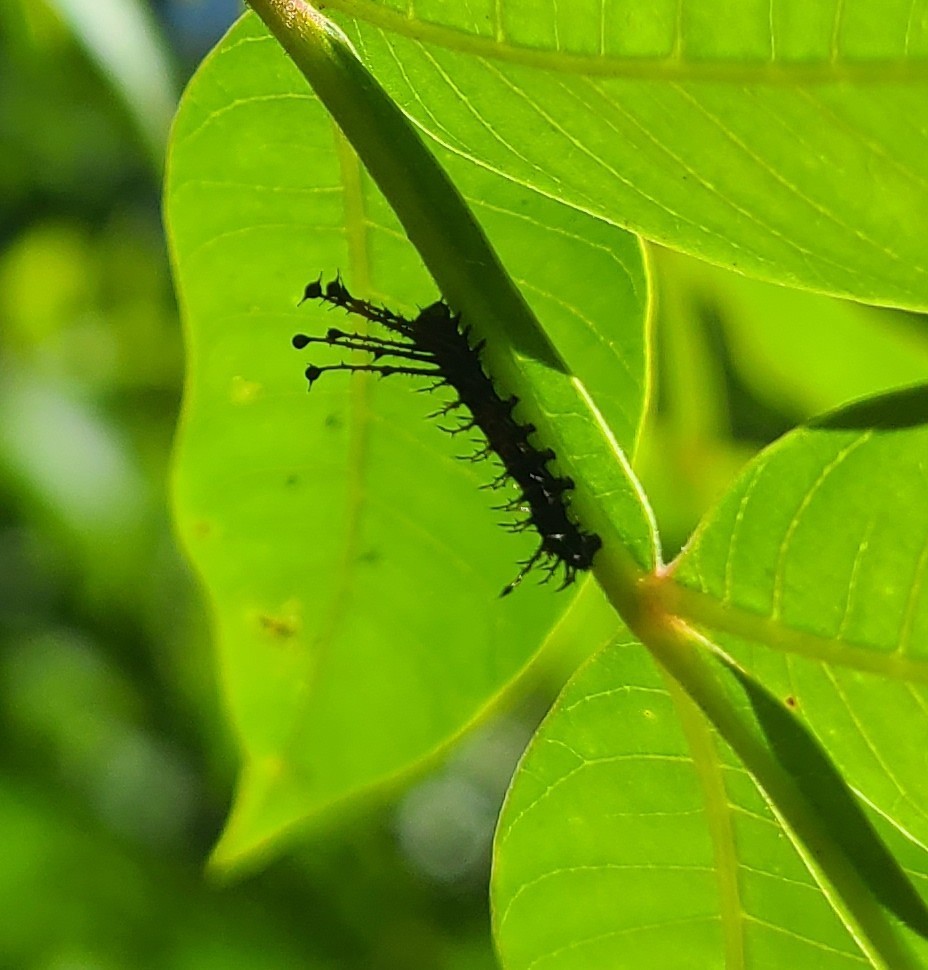
Regal moth
Citheronia regalis
≠The key differences
Polyphemus has distinctive eye spots on the hindwings and a more buff-coloured wing background; its caterpillar lacks the large thoracic horns.
⚖︎Side by side
| Polyphemus moth | Regal moth | |
|---|---|---|
| To humans | Non-toxic | Non-toxic |
| Size | 11-15 cm wingspan | Wingspan about 95-155 mm |
| Colours | Reddish brown, Tan, Olive-brown, Sky blue (eyespot center) | Orange, Reddish brown, Cream, Black |
| Family | Saturniidae | Saturniidae |
| Habitat | Deciduous woodlands, suburban yards, parks and areas with host trees | Deciduous woodlands, forest edges, and suburban areas with host trees (hickory, walnut, sweetgum, sumac, persimmon, ash). |
| Range | Widespread across much of the United States and southern Canada, extending into Mexico | Eastern United States from New Jersey and Pennsylvania south to Florida, west to Missouri and eastern Texas; now rare or absent in New England, where it once occurred. |
| Active | Spring and early summer (one or two broods depending on latitude); adults are nocturnal | Adults fly at night in mid-summer (June-August) depending on latitude; larvae are most visible in summer months. |
| Pest? | No | No |
🔍How to spot a Polyphemus moth
- Very large wingspan (11-15 cm) with broad, rounded wings
- Distinctive large circular eyespot on each hindwing with a clear center ringed with yellow, blue and black
- Overall reddish-brown to tan coloration with wavy crosslines across wings
- Males with notably feathered antennae; females with thinner antennae
🔍How to spot a regal moth
- Large, heavy-bodied moth with grey-olive forewings marked by orange veins and yellow spots, and orange hindwings.
- Very large green caterpillar with long, curved orange horns tipped in black on the thorax (hickory horned devil).
- Larvae burrow into soil to pupate — look for them feeding high in host trees in summer before they disappear.
?Frequently asked questions
What is the difference between a Polyphemus moth and a regal moth?
Polyphemus has distinctive eye spots on the hindwings and a more buff-coloured wing background; its caterpillar lacks the large thoracic horns.
Is a Polyphemus moth or a regal moth more dangerous?
Polyphemus moth: Non-toxic. Regal moth: Non-toxic. Polyphemus moths do not bite or sting. Adults do not bite or sting and are harmless.
Identification from photos is never certain: don't handle insects you can't identify, and get medical advice for bites, stings or allergic reactions.